Russian Ballistic Missile Strikes on Kyiv Highlight Ukraine’s Defensive Challenges Amid Escalation
Renewed missile attacks on Kyiv and surrounding regions underscore Ukraine’s growing difficulty in countering Russian strikes due to limited Patriot missile supplies.
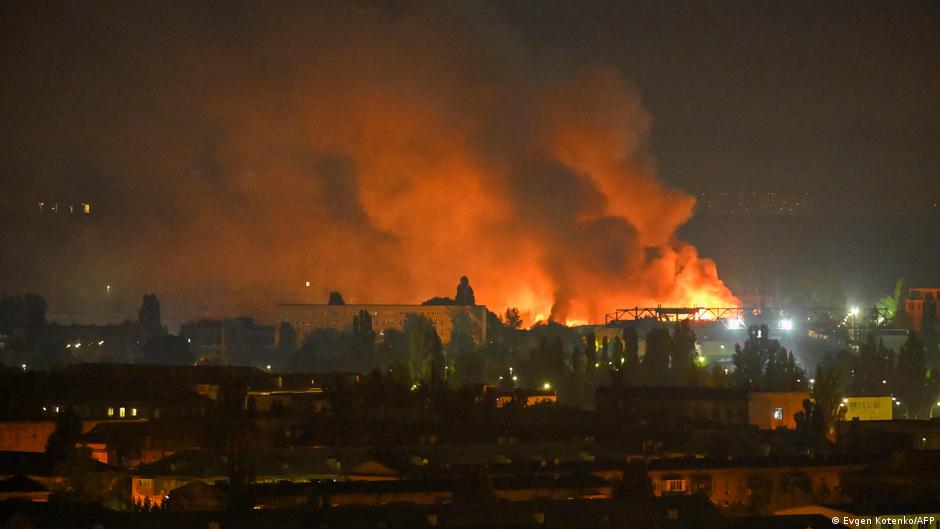
Russian armed forces launched a renewed missile offensive against Kyiv and other Ukrainian regions in the early hours of August 5, resulting in fatalities and multiple injuries. The scale and impact of these attacks underline significant challenges for Ukraine’s air defenses, particularly amid constrained supplies of American Patriot missiles.
Escalation in Missile Strikes and Regional Impact
Authorities in Kyiv and Kyiv Oblast reported multiple ballistic missile strikes causing fires and property damage. Vitali Klitschko, the Mayor of Kyiv, confirmed damage to non-residential buildings across several city districts including Obolonsky, Desnyansky, and Holosiivskyi, with a private residence destroyed in Holosiivskyi and potential casualties trapped beneath the rubble.
Preliminary data from the Kyiv City Military Administration indicates one confirmed death and at least twelve injuries within the city. The State Emergency Service of Ukraine (SESU) reported 15 casualties in Kyiv alone.
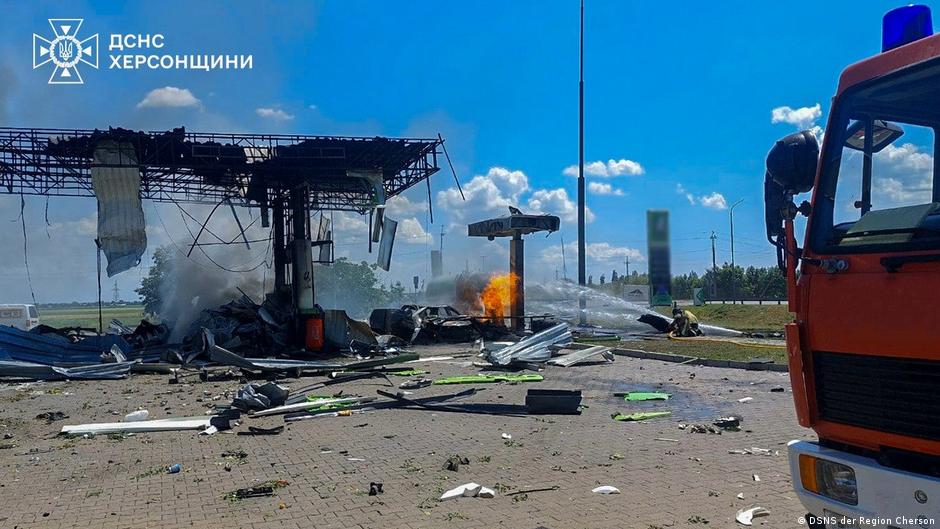
In Kyiv Oblast, the impact extended across Buchansky, Brovarsky, and Fastivsky districts. The regional military administration reported one fatality and 21 injured civilians in the oblast, with injuries distributed as 13 in Brovarsky, three in Fastivsky, and five in Buchansky. Fires ignited in logistical and industrial complexes, affecting warehouses, commercial properties, and production facilities.
Beyond Kyiv and its oblast, Ukrainian Air Force sources confirmed missile and drone strikes targeting Odessa, Zaporizhzhia, Dnipropetrovsk, Kharkiv, and Mykolaiv regions. These attacks are part of a broader pattern of intensive Russian use of ballistic missiles and unmanned aerial vehicles (UAVs) since the full-scale invasion began.
“The increasing frequency of ballistic missile attacks and drone incursions has intensified pressure on Ukraine’s air defense systems, highlighting critical supply shortages of Patriot missiles,” commented a defense analyst.
Strategic and Economic Implications
The persistent Russian missile offensives carry significant macroeconomic and geopolitical consequences. For Ukraine, the inability to fully replenish and expand Patriot missile inventories constrains its capability to neutralize advanced missile threats, potentially prolonging conflict and instability.
From a global perspective, the escalation emphasizes the strategic importance of advanced missile defense systems and the supply chains sustaining them. Western nations face increased pressure to accelerate deliveries and support to Ukraine, influencing defense policy and budget allocations.
Long-term economic consequences may include disrupted industrial production and logistics within affected Ukrainian regions, impairing economic recovery efforts. Moreover, persistent attacks on infrastructure risk undermining investor confidence and complicating reconstruction financing.
In sum, the intensified Russian missile campaign exemplifies how modern warfare extends beyond frontlines, imposing substantial civilian, economic, and geopolitical costs. International stakeholders must consider these dynamics in shaping policies toward conflict resolution and regional stability.