Ukraine’s Security Service Executes 40-Day Campaign Targeting Russia’s Strategic Military and Energy Assets
Ukraine’s security operation has significantly degraded Russia’s military and energy infrastructure, signaling sustained pressure with broad geopolitical implications.
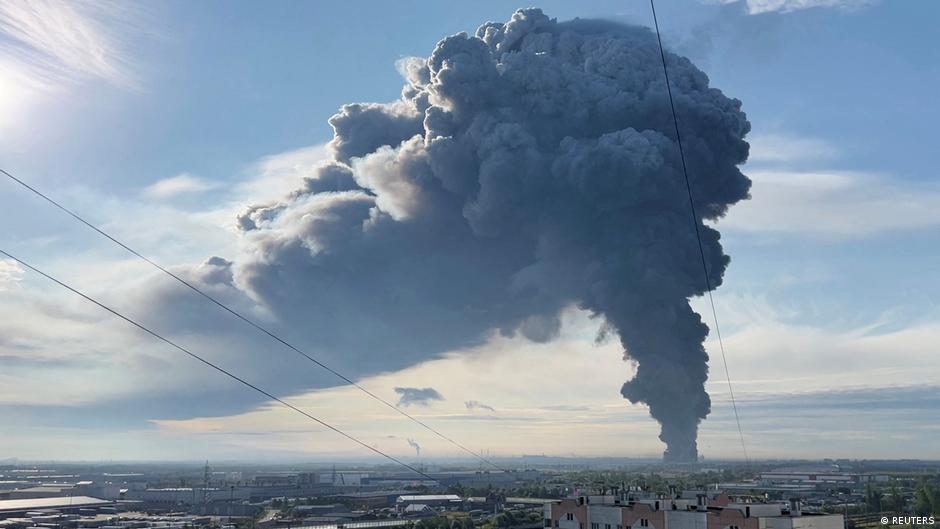
Over a 40-day period, Ukraine’s Security Service (SBU) reported striking over 100 strategic targets within Russia and more than 21,000 objectives on the frontline, in a coordinated campaign aimed at compelling Russia to cease hostilities. The operation, which was officially approved by Ukrainian President Volodymyr Zelensky on June 25, marks a significant escalation in Ukraine’s approach to degrading Russia’s military capabilities and economic infrastructure.
Strategic Targeting of Military and Energy Infrastructure
The campaign targeted a comprehensive array of Russia’s military-industrial complex, including airbases, air defense systems, command centers, naval vessels, and tanker fleets associated with Russia’s shadow maritime logistics. Notably, the SBU reported the destruction of nearly 21,000 units of military equipment and infrastructure, alongside the elimination of approximately 5,000 Russian servicemen.
In addition to military targets, the operation focused intensively on the energy sector. Fourteen Russian oil refineries, numerous oil depots, pumping stations, terminals, and an offshore oil platform were attacked. Several tankers under international sanctions, including the Blue, Louise 1, Banda, and Avero, were also struck, alongside two cargo vessels. This systematic targeting of Russia’s fuel and energy infrastructure represents a direct assault on one of the foundations of the Russian economy and military logistics.
"The 40-day campaign was aimed at simultaneously weakening key components of Russia's military machine," the SBU stated, emphasizing that efforts to degrade Russia’s military-economic potential will continue.
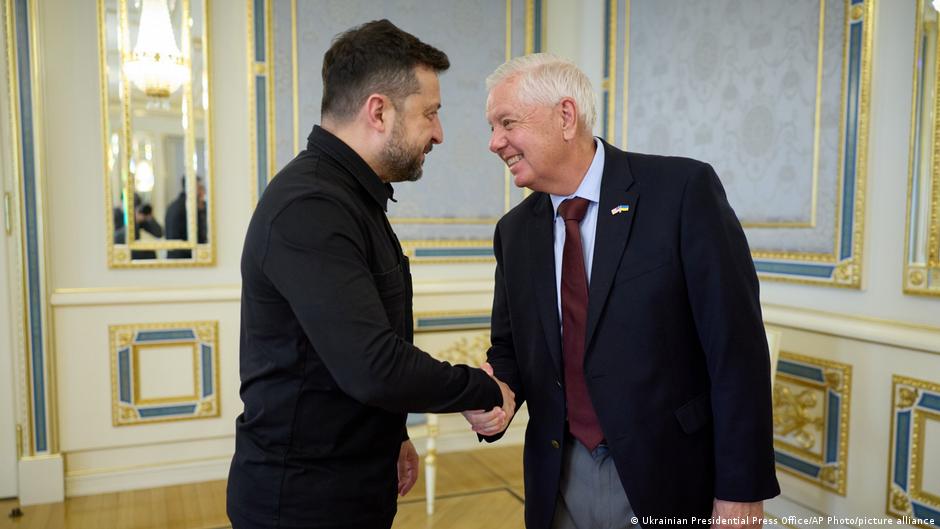
President Zelensky, in coordination with acting SBU chief Major General Oleksandr Poklad, has authorized further operations, underscoring Ukraine’s commitment to sustained pressure. Zelensky initially declared the operation on June 25 as a strategic move to coerce the aggressor state into peace, promising to create conditions compelling Russia to choose cessation of war.
Global and Economic Implications
The deliberate targeting of Russia’s energy infrastructure by Ukraine carries significant macroeconomic and geopolitical consequences. Russia’s oil and gas sectors are critical not only for its domestic economy but also for the global energy market, influencing energy prices and supply chains worldwide. Disruptions to oil refining capacity and tanker operations may exacerbate volatility in international energy markets, fueling inflationary pressures in energy-importing countries and forcing recalibrations in energy policy.
Moreover, the degradation of Russia’s military assets and logistics capabilities could alter the strategic calculus in the ongoing conflict, potentially accelerating shifts in territorial control and regional security dynamics. For global policymakers, the campaign highlights the increasing use of targeted military-economic pressure as a tool in modern hybrid warfare, with implications for defense planning and international security cooperation.
In the long term, sustained attrition of Russia’s military-industrial base and energy infrastructure could weaken the country’s capacity to project power, influence neighboring regions, and maintain its current geopolitical posture. This may open avenues for diplomatic engagement but also risks prolonging instability if escalations continue.