Over 8.4 Million Ukrainians Reside Abroad Amid Ongoing Conflict, Impacting Demographics and Economy
More than 8.4 million Ukrainians live outside the country as of 2026, presenting significant challenges for Ukraine’s demographic and economic recovery.
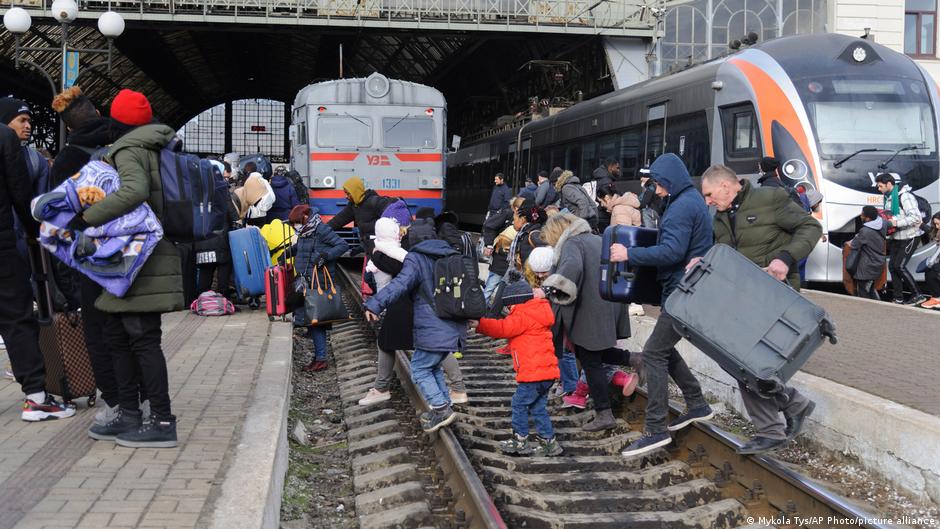
According to Ukraine's Human Rights Ombudsman, Dmitry Lubinets, over 8.4 million Ukrainian citizens currently reside outside the country as of 2026. This displacement reflects the profound demographic changes resulting from years of conflict and has critical implications for Ukraine's economic future and policy planning.
Demographic Shifts and Population Decline
The National Academy of Sciences of Ukraine recently estimated that the population within Ukrainian government-controlled territories stands at approximately 27 to 28 million people. This represents a sharp decline from pre-war levels. Official Ukrainian statistics recorded over 41 million inhabitants prior to the full-scale Russian invasion in 2022, excluding Crimea and parts of Donetsk and Luhansk regions annexed or occupied earlier.
Lubinets highlighted that since the initial occupation and annexation efforts by Russia in 2014, about 8.5 million Ukrainians have left the country. The mass exodus accelerated following the 2022 invasion, with the United Nations High Commissioner for Refugees reporting that 5.7 million fled Ukraine since then. Eurostat data from July 2026 indicates that 4.38 million Ukrainians currently enjoy temporary protection status within the European Union, predominantly in Germany (1.283 million), Poland (967,500), and Spain (267,400).
“More than 8.4 million of our citizens are currently outside Ukraine. It is our duty to ensure every one of them knows that Ukraine remembers and is ready to protect their rights,” stated Dmitry Lubinets.
Economic and Policy Implications
The extensive displacement poses long-term challenges for Ukraine’s labor market, social services, and economic growth prospects. A reduced working-age population constrains domestic productivity and innovation capacity, potentially slowing post-conflict recovery. Additionally, the diaspora’s integration abroad may complicate eventual repatriation and reconciliation efforts.
From a policy perspective, the Ukrainian government faces significant hurdles in updating demographic data amid ongoing hostilities. As noted by State Statistics Service of Ukraine head Arsen Makarchuk, precise population censuses are unlikely to be feasible until 1.5 to 2 years after the cessation of conflict. This lack of timely data complicates targeted policy interventions and resource allocation for reconstruction and social welfare programs.
Internationally, the displacement crisis underscores the necessity for coordinated support from the European Union and global institutions to manage refugee inflows and facilitate humanitarian aid. The sizable Ukrainian diaspora also represents a potential asset for economic recovery through remittances, knowledge transfer, and future investment, contingent on effective engagement strategies.
Looking Ahead
As Ukraine navigates the protracted conflict and its aftermath, addressing the demographic consequences will be crucial for sustainable growth. Policymakers must balance immediate humanitarian needs with long-term demographic stability, economic revitalization, and social cohesion. Integrating displaced populations—whether abroad or upon return—into national development plans will be essential for rebuilding Ukraine’s human capital and economic resilience.