Ukraine’s NATO Prospects Diminish as Kyiv Seeks Alternative Security Alliances
Former Ukrainian military chief Valeriy Zaluzhny asserts NATO membership unlikely, urging focus on emerging regional defense coalitions.
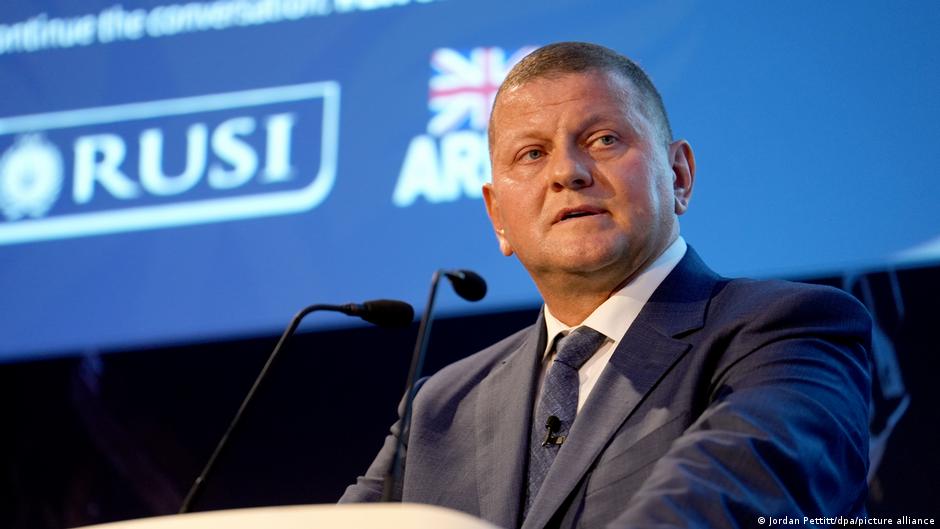
Ukraine’s aspirations for NATO membership face significant long-term challenges, according to Valeriy Zaluzhny, former commander-in-chief of the Ukrainian Armed Forces and current ambassador to the United Kingdom. Speaking at a meeting of Ukrainian ambassadors in Kyiv on August 3, Zaluzhny expressed skepticism about Kyiv’s integration into NATO, citing doctrinal incompatibilities and structural limitations of the alliance.
Challenges to Ukraine’s NATO Integration
Zaluzhny, who played a leading role in aligning Ukraine’s military standards with NATO over more than a decade, remarked that despite persistent hopes, Ukraine’s accession to NATO will not materialize in the near future. He attributed this to the current level of development of the Ukrainian Armed Forces and the existing NATO doctrines, which, in his view, remain anchored in Cold War era paradigms.
“It is impossible to join with the current level of development of the Armed Forces of Ukraine to an organization guided by Second World War doctrines,” Zaluzhny stated.
He further highlighted that NATO’s organizational structure and strategic doctrines are unlikely to undergo rapid transformation, suggesting that Ukraine may require at least another 12 years to reach half the military capability of the Russian Federation — a benchmark he considers necessary before joining the alliance.
Despite this outlook, Zaluzhny acknowledged the ongoing need for NATO technologies, particularly in areas such as missile defense systems. Ukrainian President Volodymyr Zelensky has previously emphasized the strategic importance of acquiring advanced defensive technologies like the American Patriot missile systems, which face operational limitations due to missile shortages amid the protracted conflict with Russia.
Pivoting Towards Alternative Security Frameworks
In light of these limitations, Zaluzhny advocates for Ukraine’s participation in emerging regional defense coalitions as a pragmatic alternative. He specifically pointed to the Joint Expeditionary Force (JEF), a UK-led security coalition of ten Northern European countries, as a potential framework for Ukraine’s enhanced defense cooperation.
Established in 2015, the JEF includes Denmark, Finland, Estonia, Iceland, Latvia, Lithuania, the Netherlands, Sweden, and Norway alongside the United Kingdom. The coalition’s mandate centers on ensuring security in Northern Europe, particularly in the Baltic and Arctic regions.
Ukraine attained the status of an enhanced partner in the JEF in December 2025, reflecting a growing but still limited integration. The coalition collaborates with NATO on maritime security efforts aimed at containing Russian naval activities and has committed to stringent measures against Russia’s so-called "shadow fleet." However, the JEF currently lacks formal collective defense obligations akin to NATO’s Article 5 commitments.
Zaluzhny expressed regret that Ukraine has yet to fully engage with JEF operationally, citing weaknesses within the coalition’s command structures that limit its suitability as a comprehensive defense alliance for Kyiv.
“Ukraine is likely to anchor itself to blocks and alliances that are forming – most likely a European military-security bloc,” Zaluzhny said, emphasizing a strategic shift in Kyiv’s security policy.
Implications for Regional Security and Global Policy
Zaluzhny’s assessment underscores a pivotal recalibration of Ukraine’s security strategy amidst prolonged confrontation with Russia and evolving geopolitical dynamics. The apparent stagnation in NATO enlargement prospects for Ukraine presents significant implications for transatlantic security architecture and European defense integration.
For global policymakers and economic strategists, these developments suggest a protracted period of military tension in Eastern Europe, with potential ramifications on defense spending, regional stability, and energy markets. The pursuit of alternative security frameworks like the JEF may also signal a trend towards more flexible, regionally tailored defense coalitions, potentially reshaping traditional alliance models.
As Ukraine continues to navigate its security challenges, international economic decision-makers will need to monitor shifts in defense alliances and their broader impact on geopolitical risk and economic resilience.