Russian Military Strikes Impact Civil Infrastructure in Ukraine Amid Rising Defense Purchases
Recent Russian attacks in Kharkiv and Odessa highlight escalating conflict, prompting Ukraine to enhance air defense capabilities with German missile procurement.
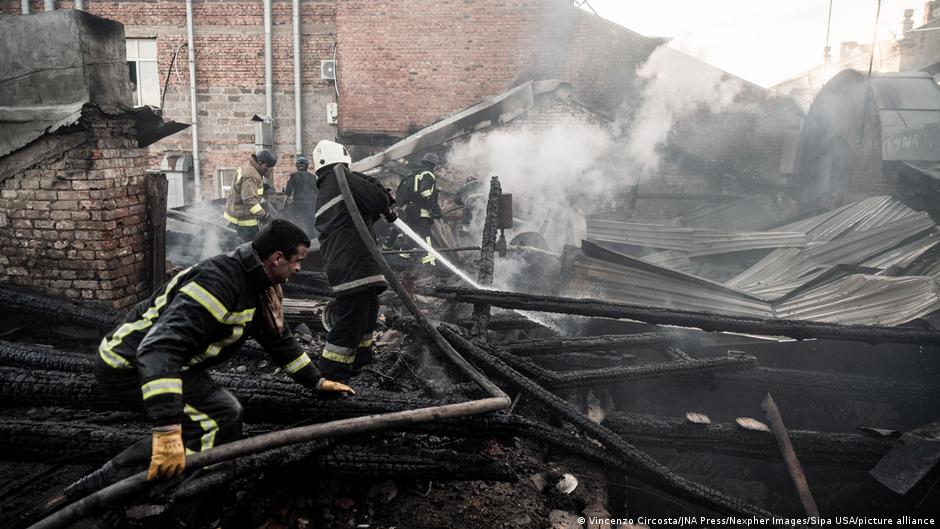
Recent Russian military actions have targeted civilian and agricultural infrastructure in Ukraine, underscoring the intensifying conflict’s broader implications for regional stability and economic security. On June 21-22, a Russian unmanned aerial vehicle (UAV) struck a high-rise residential building in Kharkiv, causing a fire but reportedly no casualties. Meanwhile, a ballistic missile attack using an "Iskander" missile in the Odessa region resulted in the death of one individual and injuries to three others, damaging agricultural assets.
Impact on Civil Infrastructure and Economic Assets
In Kharkiv's northern Shevchenkivskyi district, the UAV impacted the façade of a 22-story residential building, igniting a fire on the 22nd floor. The blaze was quickly extinguished, and early reports indicate no casualties. The damage included shattered windows and façade destruction, illustrating the risks to urban civilian infrastructure amid ongoing hostilities.
Further south in the Odessa region, Russian forces launched an "Iskander" ballistic missile strike against an agricultural enterprise. The attack destroyed a warehouse, ignited vehicles and fuel storage facilities, and resulted in one fatality and three injuries. Emergency services are actively responding to the site. This strike not only causes immediate human and property losses but also threatens the agricultural sector's productivity, which is critical to Ukraine’s economy and global food supply chains.
"The ongoing attacks on civilian and economic infrastructure signify a strategic escalation with far-reaching consequences for regional economic stability."
Strategic Response: Ukraine’s Defense Procurement
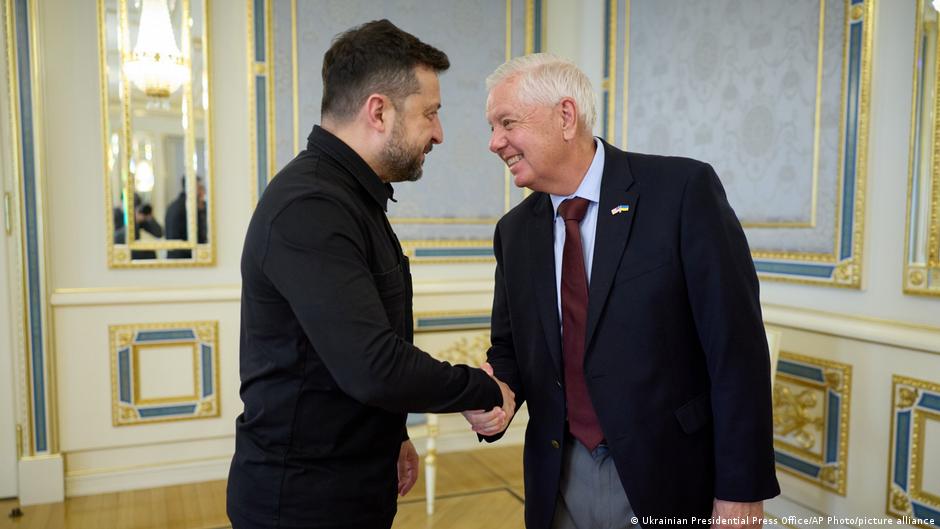
In response to these escalating threats, Ukraine is enhancing its air defense systems. President Volodymyr Zelensky confirmed that Kyiv has secured a significant contract with German manufacturers for the purchase of 600 air defense missiles. This procurement aims to bolster Ukraine’s capacity to intercept aerial threats and safeguard critical infrastructure.
"We have already signed a contract for a substantial number of missiles," President Zelensky stated, emphasizing the importance of international cooperation in strengthening Ukraine’s defense capabilities.
Global Economic and Policy Implications
These developments have broader macroeconomic implications. Destruction of agricultural facilities risks disrupting Ukraine’s food production and export, which is vital for global food security, particularly in grain markets. Moreover, continued attacks on urban and economic infrastructure exacerbate humanitarian and economic pressures, complicating reconstruction and economic recovery efforts.
The boost in defense procurement also underscores shifting geopolitical alignments and the increasing role of international military aid in regional conflicts. For policymakers and global economic stakeholders, these dynamics highlight the fragility of supply chains and the need to anticipate the economic fallout from prolonged conflict.
In sum, the recent Russian strikes against civilian and economic targets in Ukraine not only represent immediate humanitarian and security concerns but also signal critical challenges to regional economic stability and international policy frameworks aimed at conflict resolution and economic resilience.