Drone Attacks on Russian Regions Raise Concerns Over Security and Economic Stability
Recent drone strikes in Russian border regions resulted in casualties and heightened security measures, signaling potential macroeconomic repercussions.
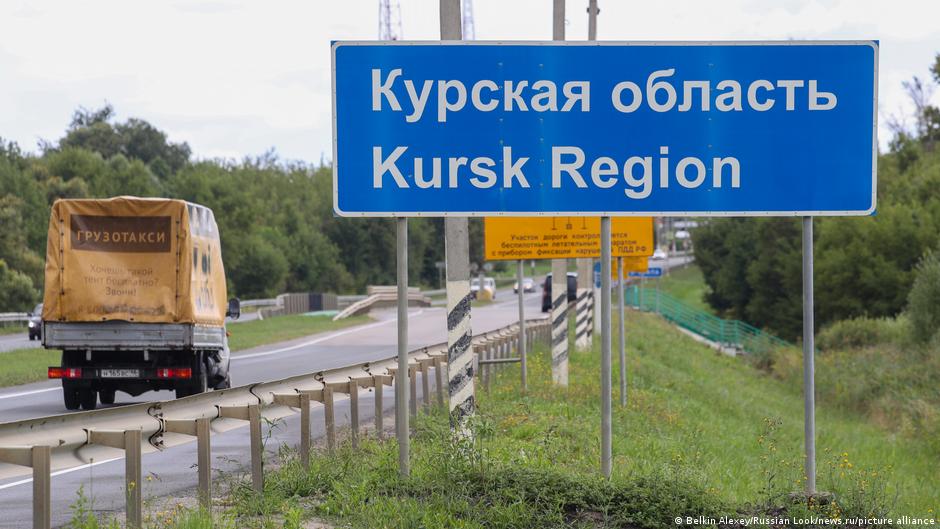
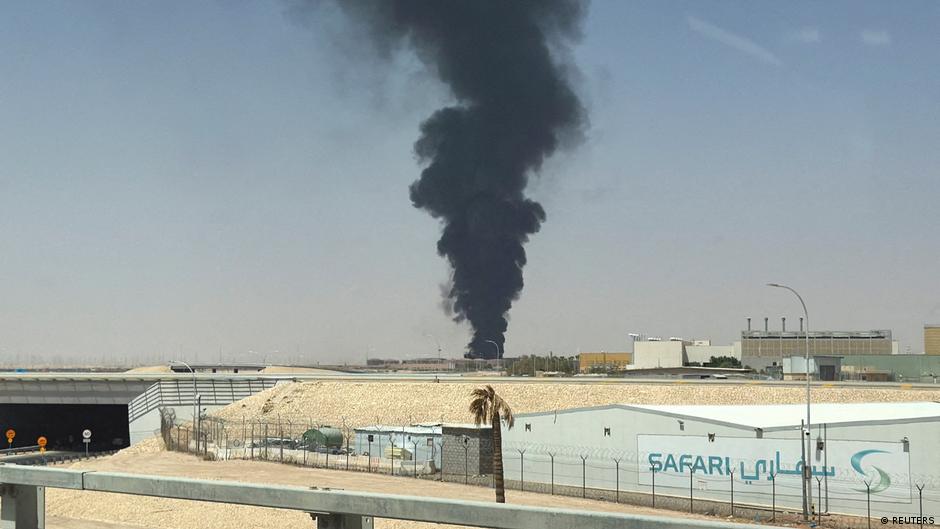
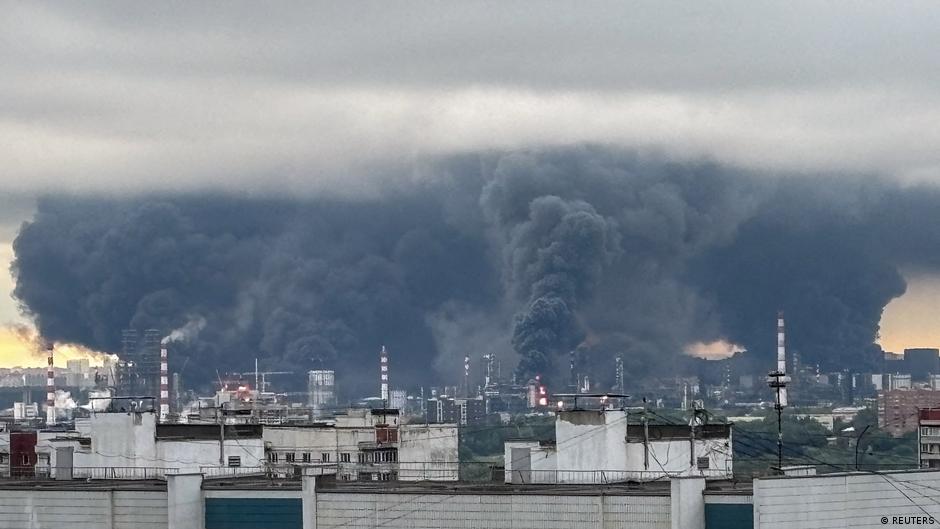
On August 5 and 6, a series of drone attacks targeted several regions in western Russia, causing casualties and prompting increased security alerts. These events have raised concerns among policymakers about the potential disruption to regional stability and broader economic implications.
Casualties and Regional Impact
One fatality and six injuries were reported in the Kursk region after a drone struck a private residence in the village of Kozyrevka, according to regional authorities. Simultaneously, two individuals were injured in the Belgorod region during a drone raid in the Shebekino district. Among the wounded is a fighter from the volunteer unit "Orlan." Another victim sustained injuries from a drone strike on a vehicle and sought medical treatment independently.
In Moscow, Mayor Sergey Sobyanin announced the neutralization of three drones en route to the capital on the night of August 6, with no reported casualties or damage. Concurrently, authorities in the Yaroslavl region imposed travel restrictions on roadways leading towards Moscow to mitigate security risks. Regional head Mikhail Yevrayev advised residents to avoid the affected routes or seek alternative paths.
"These security breaches underscore the emerging threats facing critical regional infrastructures, with possible ripple effects on economic confidence and policymaking," experts note.
Macroeconomic and Policy Implications
The drone attacks in key Russian border regions highlight vulnerabilities in national security that could have significant economic consequences. Disruptions in these areas, often integral to transportation and supply chains, risk undermining investor confidence and regional economic performance.
Heightened security concerns may prompt the government to allocate more resources towards defense and emergency response, potentially diverting funds from economic development projects. Moreover, travel restrictions and transportation disruptions could affect logistics operations, increasing costs for businesses and consumers alike.
On a broader scale, persistent security threats may influence international economic relations and sanctions policies. Global markets closely monitor such developments, as escalations can impact commodity flows, foreign investment, and regional trade dynamics.
In response, policymakers face the challenge of balancing security imperatives with the need to sustain economic growth and maintain public confidence. Strategic investments in counter-drone technologies and regional infrastructure resilience will likely become priorities to mitigate long-term economic risks.
Overall, these incidents serve as a stark reminder of the interconnectedness of security and economic stability in an increasingly complex geopolitical landscape.