EU Budget Summit Ends Early as Spending and Debt Divisions Persist
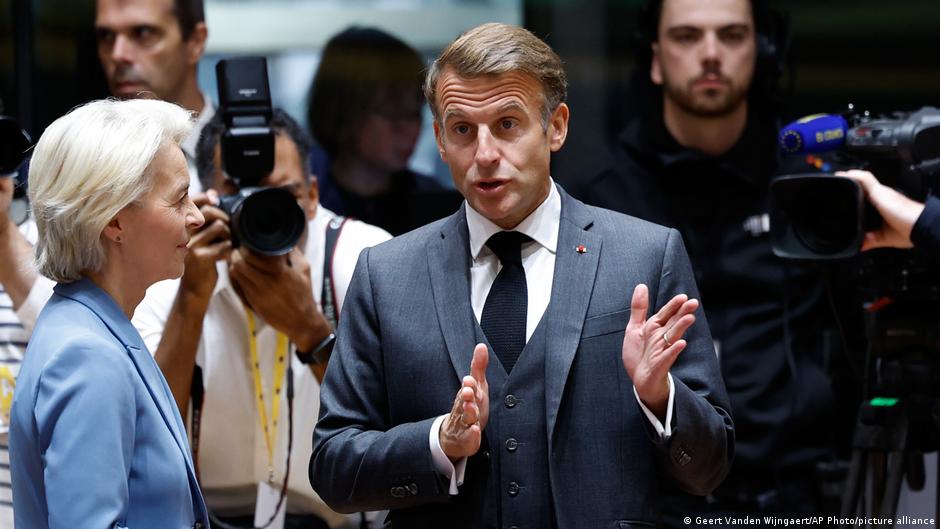
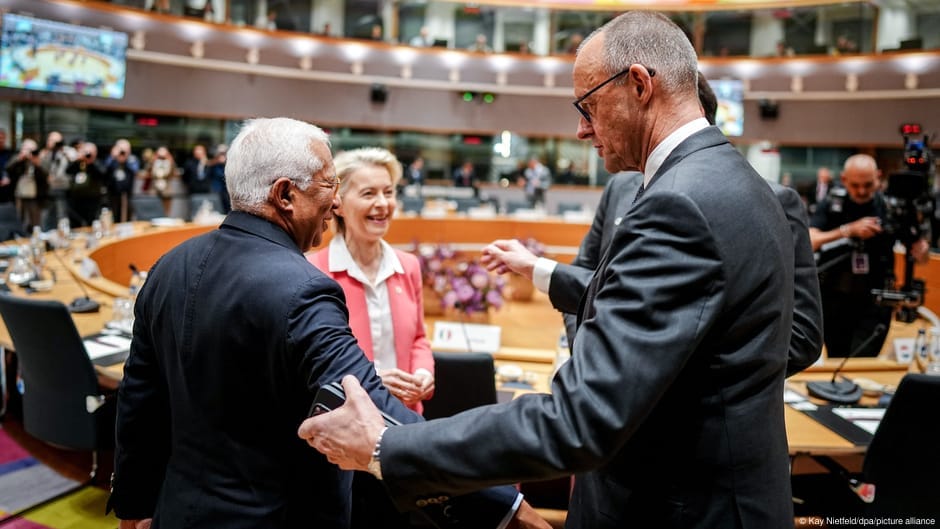
EU leaders ended budget talks early as disputes over spending, common debt, regional support and Ukraine financing blocked agreement on the 2028-2034 framework.

EU leaders ended budget talks early as disputes over spending, common debt, regional support and Ukraine financing blocked agreement on the 2028-2034 framework.

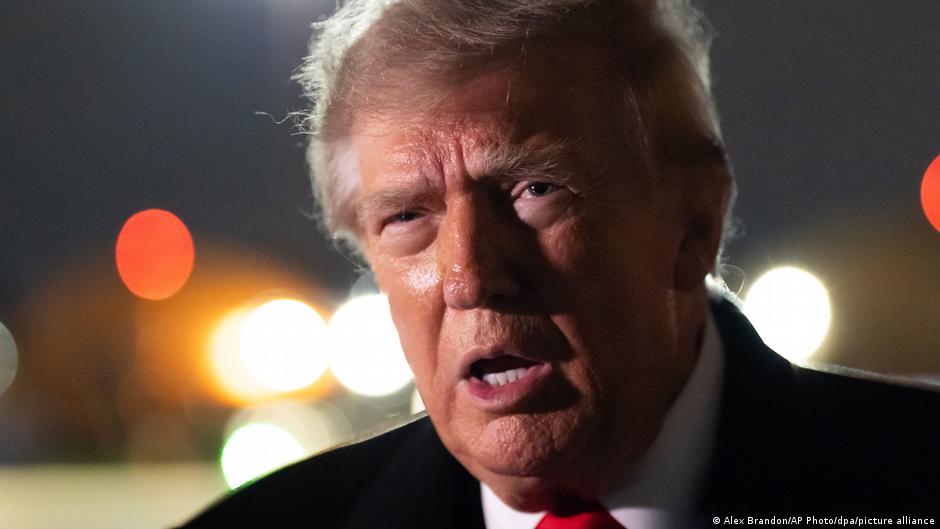
Trump has postponed sweeping Russia-linked tariffs, citing Ukraine negotiations, Moscow’s limited support for Iran and risks to global diesel markets.

EU leaders postponed a seven-year budget deal amid disputes over spending cuts, strategic investment and proposed bloc-wide levies.

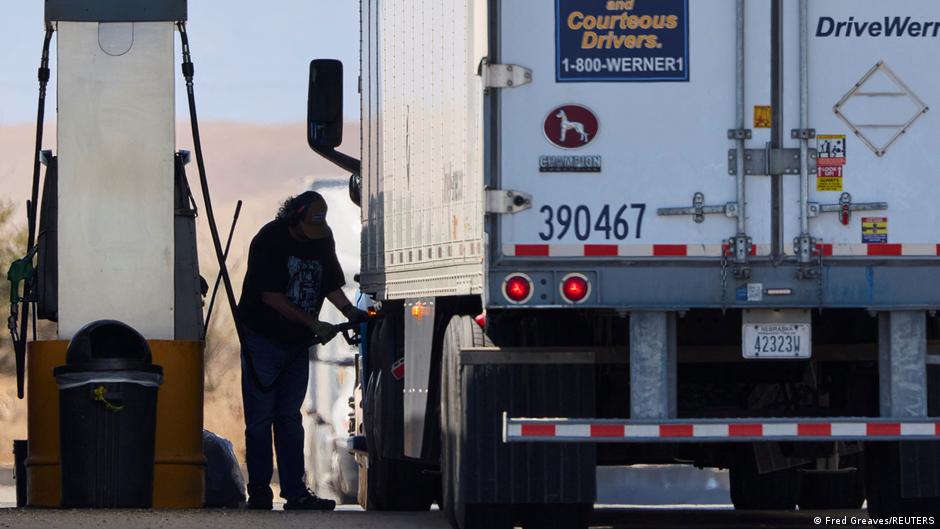
A bipartisan Senate group says Trump’s Russian diesel deal would offer little price relief while funding Moscow’s war effort.

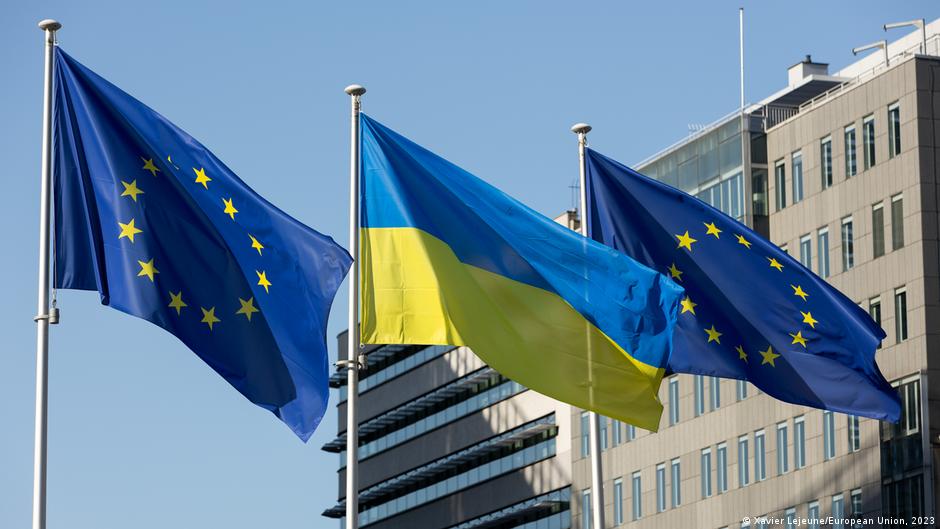
EU states agreed to open internal market and competitiveness accession clusters for Ukraine and Moldova, deepening economic integration talks.

A bipartisan House bill would seek to ban Russian oil purchases, challenging Trump’s reported diesel supply agreement with Moscow.

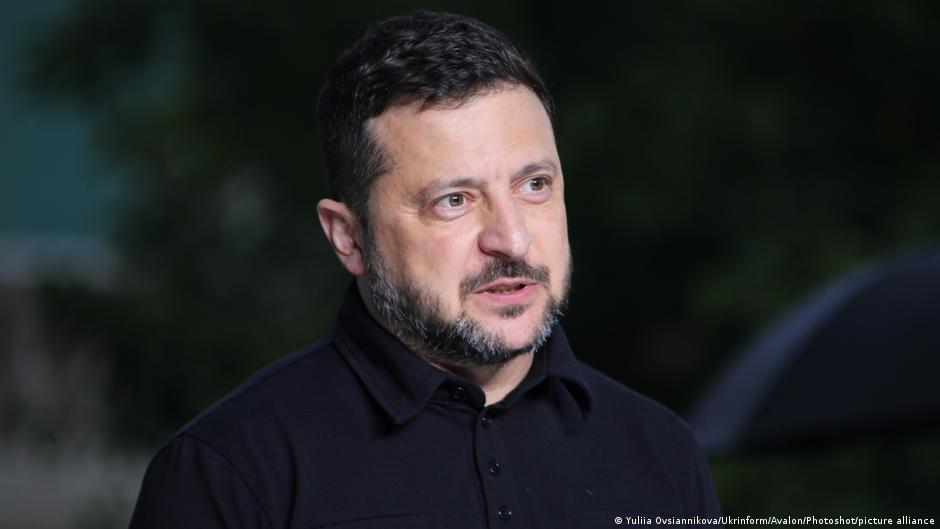
Zelensky warned that easing Russian diesel export limits without de-escalation would strengthen Moscow and risk prolonging the war.

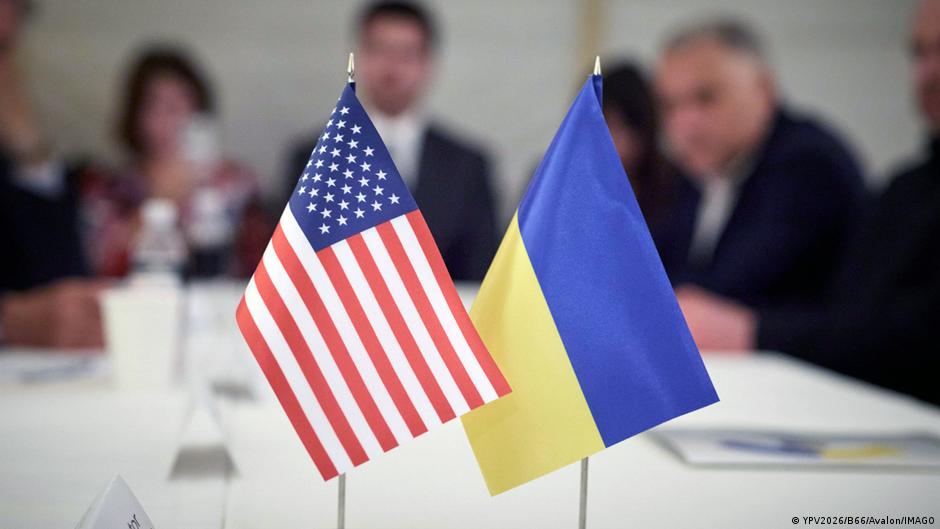
Kyiv denied that Trump proposed Moscow talks for Zelensky as U.S. diplomacy focuses on energy strikes and rising diesel prices.

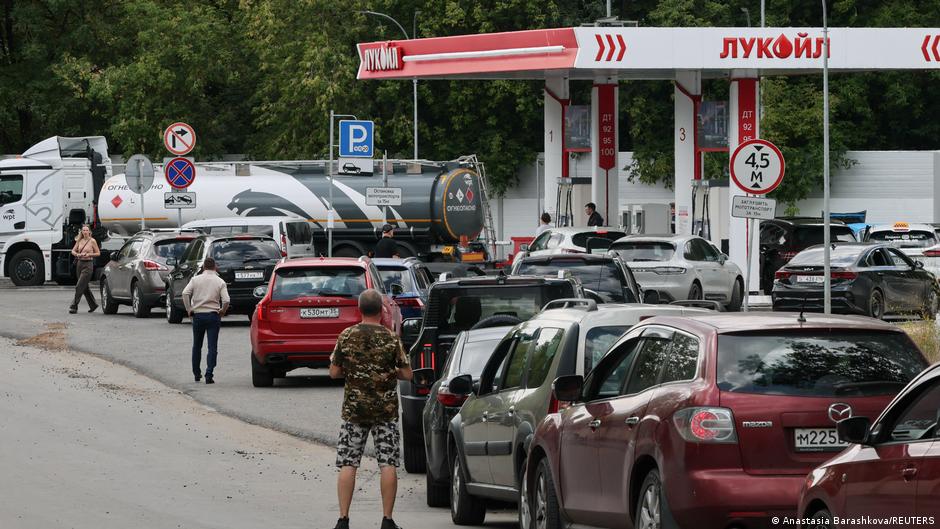
Kaluga and Zabaykalsky are restoring petrol limits as refinery strikes deepen Russia's second wave of fuel shortages.

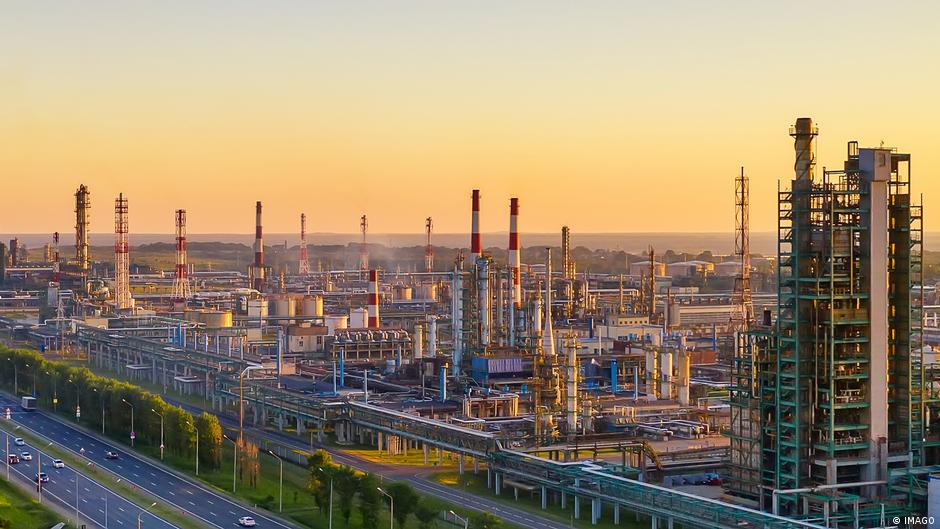
The halt at Yaroslavl’s YANOS refinery deepens Russia’s fuel shortages and exposes rising wartime risks to its energy infrastructure.

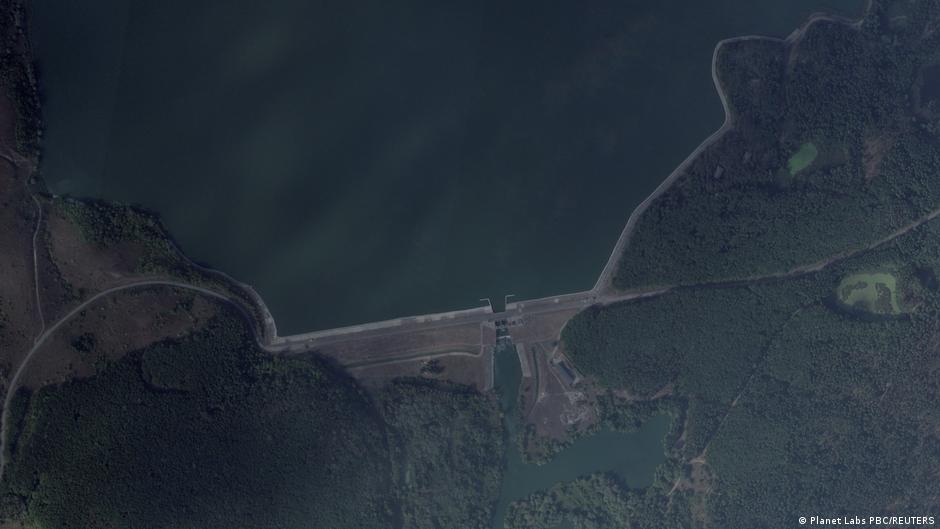
The Belgorod Reservoir has drastically depleted after Ukrainian strikes on its dam, raising concerns about regional water security and economic impacts.

Russia revises fuel dampener and import compensation mechanisms to stabilize domestic fuel prices amid refinery disruptions and global market challenges.

A UN report spotlights Uzbekistan’s success in reducing water stress through reforms, digital innovation, and international cooperation, offering a model for global water sustainability.

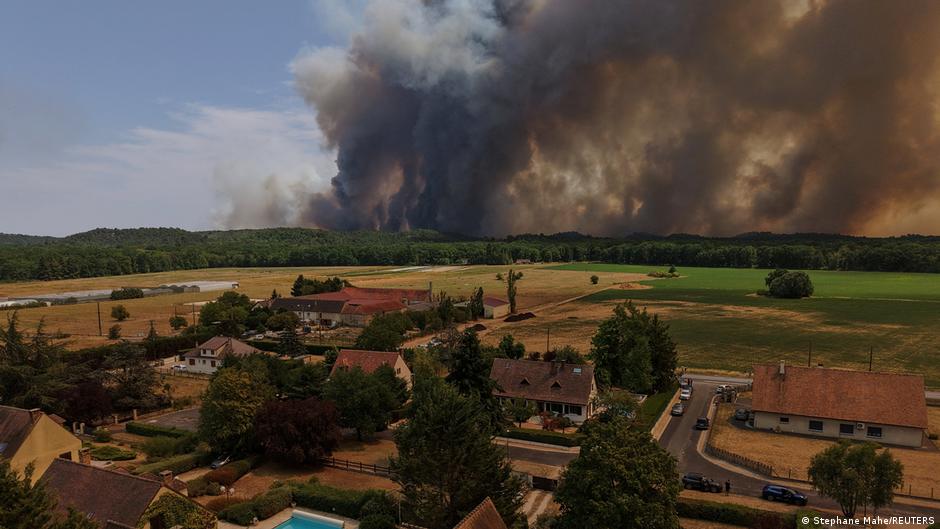
A massive wildfire near Paris has destroyed over 1,300 hectares, underscoring the intensifying risks of climate-induced disasters amid Europe’s record heatwave.

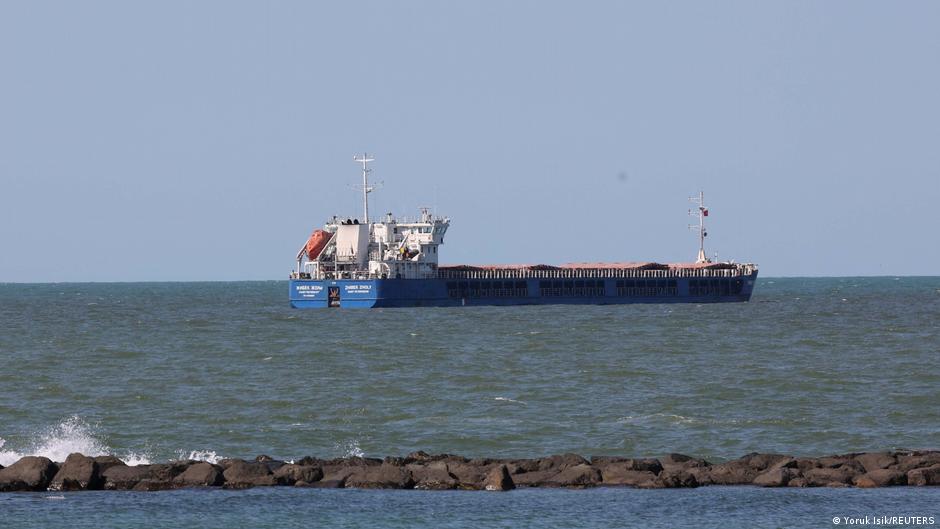
Russia has closed the Azov-Don Canal indefinitely following Ukrainian drone attacks on vessels, disrupting grain exports and driving wheat prices higher amid escalating regional tensions.

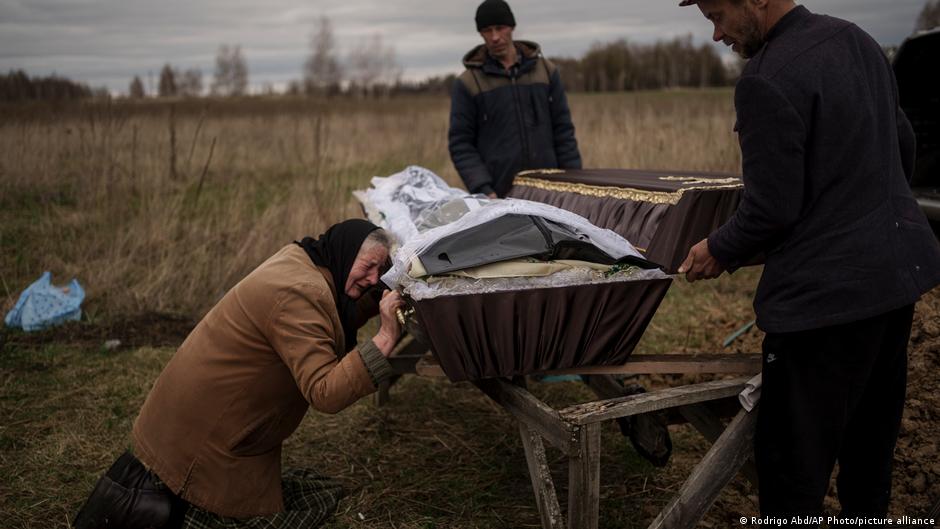
June 2026 saw the highest civilian casualties in Ukraine since the Russian invasion began, signaling escalating conflict with profound economic and geopolitical ramifications.

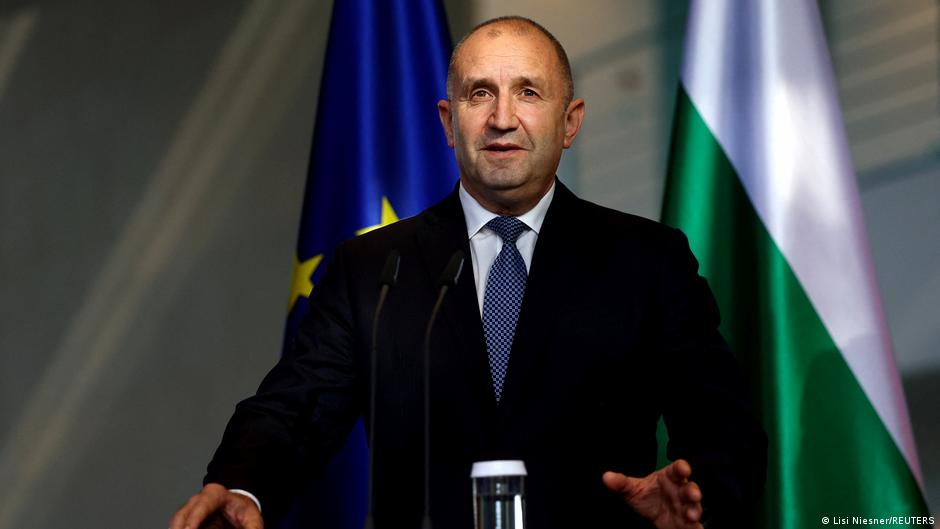
Bulgaria plans to veto new EU sanctions on Russia, citing risks to its economy and questioning their impact on peace efforts, highlighting divisions within the EU on sanction policy.

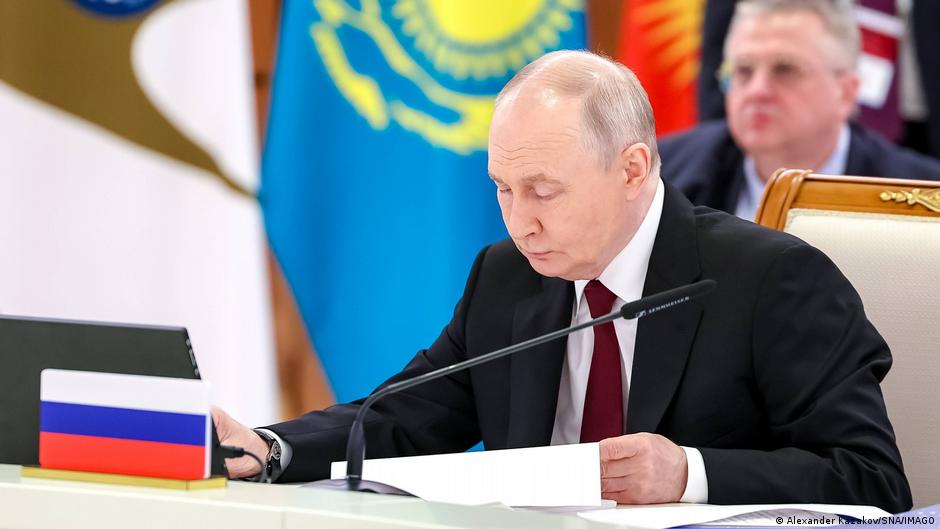
Russia threatens Armenia with higher tariffs and labor restrictions if it leaves the Eurasian Economic Union amid rising tensions over Armenia's EU alignment.

Hungary reverses a procedural lapse to reinstate its ban on Ukrainian agricultural imports, aiming to protect domestic farmers and recalibrates its stance on the International Criminal Court.

China signals renewed interest in U.S. oil and soybeans, potentially easing trade tensions and impacting global commodity markets and geopolitical relations.

The EU-Mercosur free trade agreement begins provisional application, promising significant market expansion and industry growth amid legal and environmental challenges.

Uzbekistan's banking sector expanded its credit portfolio significantly in Q1 2026, but rising non-performing loans, especially in state banks, highlight emerging financial risks.

Uzbek and Afghan businesses have secured $300 million in trade agreements, signaling a strategic push toward regional economic integration and diversification.