China Signals Renewed Demand for U.S. Oil and Soybeans Amid Shifts in Trade Relations
Following high-level talks in Beijing, China expresses interest in buying U.S. energy and agricultural commodities, signaling potential shifts in global trade and geopolitical dynamics.
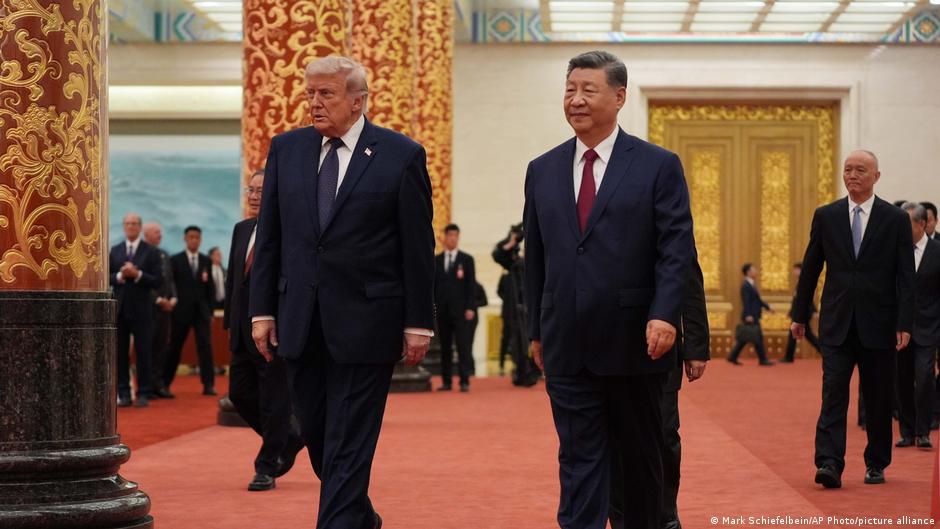
In a significant development that could reshape global commodity markets and geopolitical alignments, China has expressed renewed interest in purchasing American oil and soybeans. This revelation came directly from U.S. President Donald Trump after intensive negotiations with Chinese President Xi Jinping in Beijing.
Potential Rebalancing of U.S.-China Trade Relations
During a televised interview following their two-hour meeting, President Trump confirmed that China, traditionally a major purchaser of Iranian oil, is now looking to increase imports of U.S. crude oil and soybeans. This is a notable shift given China’s previous reduction in American soybean purchases, which were largely supplanted by Brazilian imports amid increasing trade tensions that escalated in 2025.
"China has signaled a desire to buy U.S. oil and soybeans, indicating a possible thaw in trade relations," President Trump stated.
The renewed demand suggests a potential easing of the prolonged U.S.-China trade conflict, which has had far-reaching consequences for global supply chains, commodity prices, and market stability. China’s pivot back to American raw materials could stabilize U.S. agricultural and energy sectors, while also impacting global soybean and oil markets, influencing prices and trade flows worldwide.
Geopolitical Implications and Influence on Iranian Relations
Beyond trade, President Trump highlighted that President Xi Jinping may play an influential role in curbing Iran’s regional activities. China’s status as a primary consumer of Iranian oil has long complicated U.S. sanctions and diplomatic efforts. The possibility of China leveraging its economic ties with Iran to influence Tehran’s policies represents a new dimension in global diplomatic strategies.
President Trump disclosed that Xi expressed willingness to assist in negotiations aimed at ending hostilities between the U.S., Israel, and Iran, as well as efforts to ensure the resumption of maritime traffic through the strategically critical Strait of Hormuz. Additionally, Xi reportedly assured Trump that China would not supply weapons to the Islamic Republic.
These developments suggest China’s potential role as a broker or stabilizing actor in Middle Eastern geopolitics, which could ease tensions and reduce risks to energy security—a vital concern for global markets.
Long-Term Economic Consequences
For senior economic and policy decision-makers, these announcements signal possible adjustments in global trade policies and realignments that could affect commodity markets, investment strategies, and international diplomacy. Renewed Chinese purchases of U.S. energy and agriculture products could boost American export sectors struggling from previous trade restrictions and tariffs.
Moreover, China’s involvement in mediating Iranian relations could herald a shift in U.S. foreign policy approaches, potentially paving the way for new diplomatic agreements and reduced regional volatility. Such changes may contribute to more stable energy prices and improved market confidence, influencing macroeconomic forecasts worldwide.
President Trump also underscored a firm stance on Iran, emphasizing that the U.S. will no longer tolerate provocations and urging Tehran to negotiate a deal. He addressed concerns over Iran’s enriched uranium stockpiles, suggesting that while the material could be "disposed of," he would prefer to secure it under a formal agreement.
Highlighting the pragmatism in ongoing interactions, he described current Iranian leaders as "reasonable," indicating a possible opening for constructive dialogue.