June 2026 Marks Deadliest Month for Ukrainian Civilians Since Russian Invasion
UN reports sharp rise in civilian casualties in Ukraine amid ongoing conflict, signaling intensified humanitarian crisis and prolonged instability.
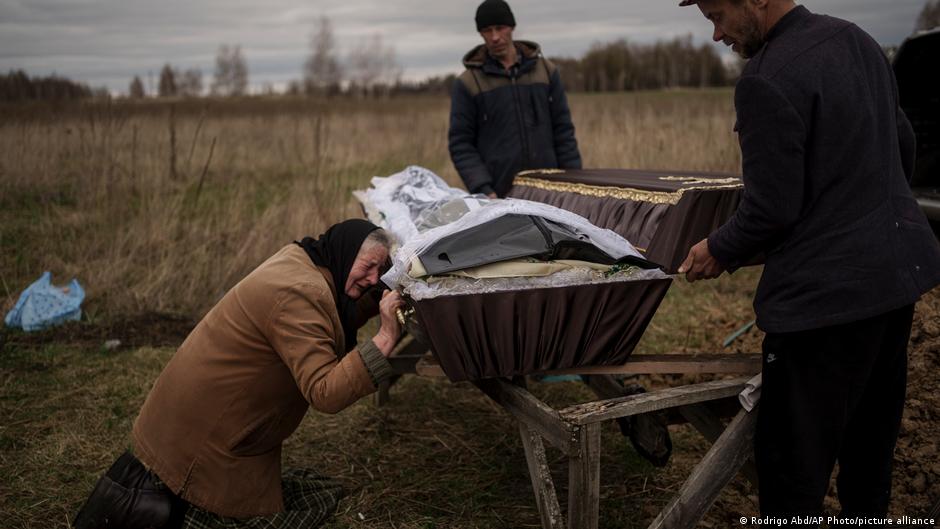
June 2026 recorded the highest number of civilian casualties in Ukraine since the full-scale Russian invasion began over four years ago, according to data presented by the United Nations (UN) on July 9. This alarming trend reflects escalating violence and has significant implications for regional stability and global economic dynamics.
Rising Civilian Toll Amid Prolonged Conflict
The UN's Deputy Secretary-General for Political and Peacebuilding Affairs, Rosemary DiCarlo, highlighted that at least 265 civilians were killed and 1,816 wounded in June due to Russian attacks. Although preliminary figures show a slight drop compared to May’s reported 274 deaths, the actual numbers may be higher as investigations continue.
"The attacks in early July on Ukrainian urban centers demonstrate a clear pattern of targeting civilian areas," DiCarlo noted, emphasizing ongoing risks to non-combatants.
Since the onset of the war, at least 16,402 civilians, including 802 minors, have lost their lives, while 48,428 have sustained injuries across Ukraine. The months of May and June 2026 have marked an escalation in civilian casualties, with early July figures already indicating more than 93 deaths and over 500 injuries.
Global and Economic Implications of Escalating Violence
The continuation and intensification of hostilities carry significant macroeconomic consequences. The persistent destruction of infrastructure and loss of human capital threaten Ukraine’s economic recovery and regional supply chains. Key industries, including agriculture and energy sectors, face disruption, exacerbating global market volatility, especially in food and energy prices.
Moreover, the ongoing conflict undermines investor confidence in Eastern European markets, potentially shifting capital flows and trade patterns. Prolonged instability may also necessitate sustained international aid and reconstruction efforts, straining global financial resources and diverting attention from other geopolitical priorities.
Policy Shifts and the Call for Ceasefire
In response to the worsening humanitarian situation, UN officials have renewed calls for an immediate and unconditional ceasefire. DiCarlo underscored the necessity for a "just, lasting, and comprehensive peace" aligned with international law and UN resolutions.
The persistent civilian casualties highlight the urgent need for renewed diplomatic engagement. For senior policymakers, balancing support for Ukraine’s sovereignty with efforts to mitigate broader economic fallout remains critical. The evolving conflict dynamics necessitate agile policy frameworks that address both immediate humanitarian concerns and long-term regional stability.
As the conflict endures, monitoring shifts in casualty patterns and economic indicators will be essential for understanding the full scope of the war’s impact. The international community’s response in the coming months will play a decisive role in shaping Ukraine’s recovery trajectory and the geopolitical landscape of Eastern Europe.