Russian Duma Revises Fuel Dampener Mechanism to Stabilize Domestic Prices Amid Market Volatility
New amendments to the Russian Tax Code aim to enhance fuel supply and control price fluctuations through adjusted compensation and export rules.
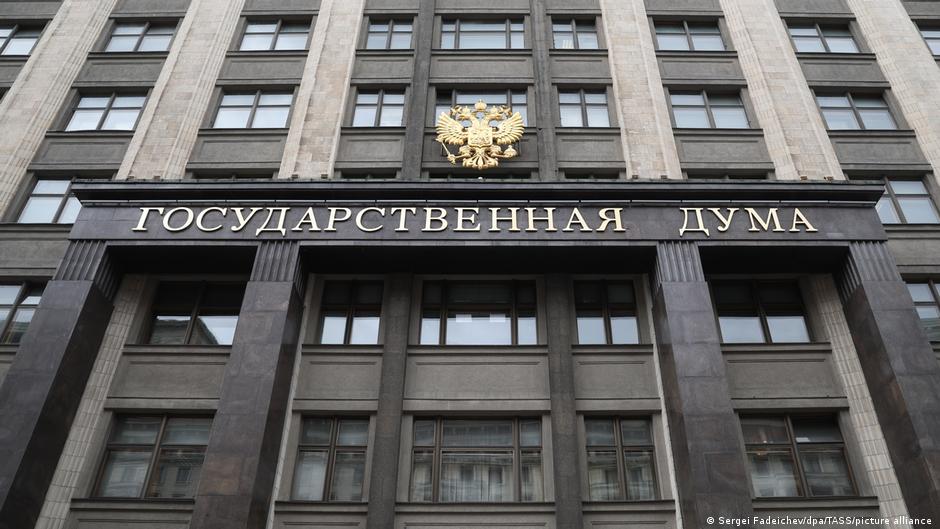
The Russian State Duma has approved a set of amendments to the Tax Code aimed at stabilizing the domestic fuel market by modifying the fuel dampener mechanism, exchange sales regulations, and compensation conditions for imported diesel fuel. The legislative changes, passed in the second and third readings and published on July 21, reflect Moscow's ongoing efforts to contain fuel prices amid domestic and international market pressures.
Adjusting the Fuel Dampener and Market Regulation
The fuel dampener is a state compensation system that reimburses oil companies for part of their expenses supplying fuel to the Russian market. The amendments seek to recalibrate this mechanism to increase fuel availability and reduce pricing volatility risks. This comes as part of a broader government package addressing fuel market stabilization, which has already included lowering mandatory gasoline sales quotas on exchanges and restricting petroleum product exports to prioritize domestic supply.
"The adjustments will support direct contracts between refineries and authorized suppliers for the agricultural sector, ensuring uninterrupted fuel delivery without breaching mandatory exchange sale requirements," explained Deputy Finance Minister Alexey Sazanov.
Significantly, the list of supplies counted toward the minimum mandatory exchange sales volume has been expanded. It now includes volumes sold outside the exchange under government-defined conditions, providing flexibility to accommodate sector-specific needs. This measure reflects the government's responsiveness to key domestic demand sectors, notably agriculture, which relies on stable fuel supplies.
Compensation for Imported Diesel and Alignment with Global Pricing
Another notable amendment introduces compensation payments for imported diesel fuel, mirroring an existing scheme for gasoline. Importers may receive partial cost reimbursements via excise tax deductions if their import prices exceed domestic wholesale prices. However, these payments will only occur during months when export restrictions on diesel and aviation kerosene are simultaneously enforced, linking compensation to prevailing export controls.
The methodology for calculating compensation for diesel imports from third countries uses Indian market prices as a benchmark adjusted for delivery costs to Russian ports. India is referenced purely as a price indicator rather than a mandatory fuel supplier. For Belarusian supplies, a distinct compensation coefficient of 0.9 is applied, making imports from Belarus comparatively more advantageous under this regime.
The timing of these reforms coincides with India's recent decision to nearly double export duties on diesel and aviation fuel. India is a key global petroleum product exporter, accounting for approximately 6% of international maritime shipments, underscoring the importance of integrating global price dynamics into Russia's domestic policy framework.
Implications for Russian Fuel Market and Policy Outlook
According to State Duma Chairman Vyacheslav Volodin, the legislative changes are expected to yield visible effects shortly by incentivizing additional fuel deliveries to the domestic market and enabling the buildup of necessary reserves. Vice Premier Alexander Novak also highlighted that government interventions, including export restrictions, ramped-up production, increased imports, and deferred refinery maintenance, are already contributing to market stabilization.
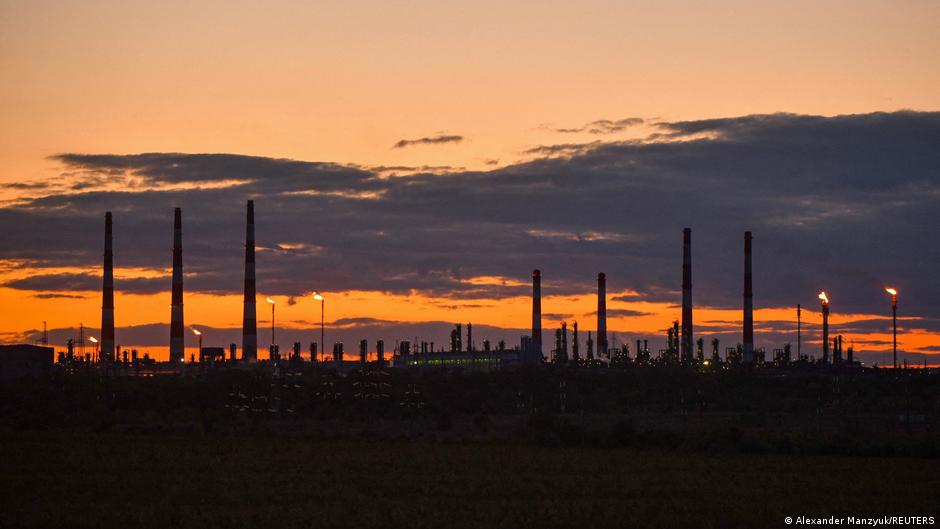
The amendments come against a backdrop of significant disruptions to Russian refining capacity. In spring and summer 2026, major Russian refineries suffered attacks by Ukrainian drones, leading to partial or full shutdowns of facilities with a combined capacity exceeding 83 million tons annually—approximately 25% of the country's refining capacity. These refineries produced over 30% of Russia's automotive gasoline and about 25% of its diesel fuel, prompting intensified regulatory efforts and sourcing diversification to secure fuel availability.
Overall, the legislative package reflects a strategic recalibration of Russia's fuel pricing and supply frameworks. By incorporating flexible sales mechanisms, expanded compensation schemes, and international price benchmarks, the government aims to mitigate internal disruptions and external market pressures. For global markets, these developments signal Russia's intent to stabilize its vast energy sector amid geopolitical tensions and evolving trade dynamics, with potential ripple effects on fuel prices and supply chains worldwide.