Bulgaria to Veto New EU Sanctions on Russia Citing Economic Risks and Policy Concerns
Bulgarian Prime Minister warns that proposed EU sanctions on Russia could harm national economy and questions their effectiveness for peace.
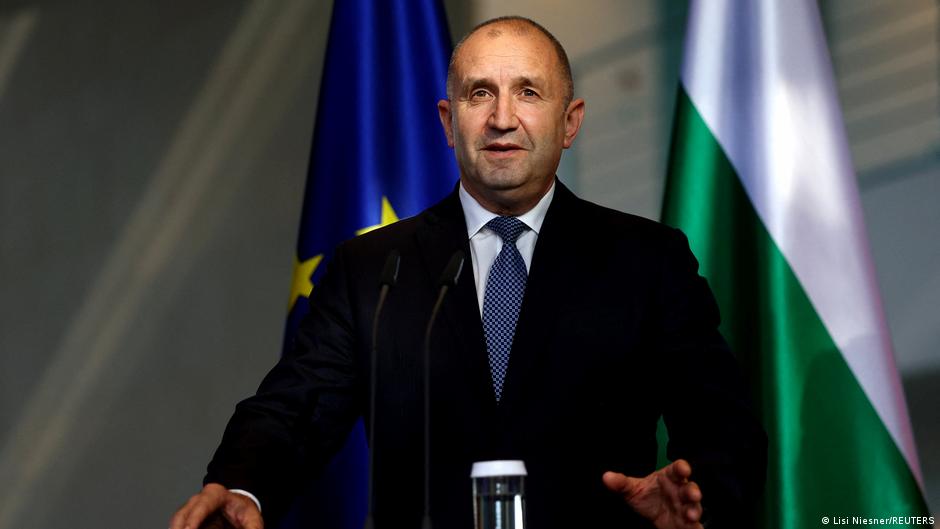
On June 18, Bulgaria's Prime Minister Rumen Radev announced his country’s intention to veto the European Union’s new sanctions package against Russia. This move reflects Sofia’s concerns over potential negative economic repercussions and disagreements with specific measures targeting influential Russian figures.
Economic and Political Implications of Bulgaria’s Veto
Prime Minister Radev highlighted the significant risks the sanctions pose to Bulgaria’s economy, particularly emphasizing the potential impact on Lukoil, a key player in the national energy sector. Lukoil operates Bulgaria’s sole oil refinery located in Burgas and is among the largest retail fuel sellers in the country.
“There is a substantial risk to Lukoil’s operations. We want the company removed from the sanctions list,” Radev stated ahead of the EU summit in Brussels.
His concerns extend beyond energy, citing possible disruptions in the supply of spare parts vital for Sofia’s metro system and fertilizers critical to Bulgaria’s agriculture. These fears underline the vulnerability of Bulgaria’s infrastructure and agricultural sectors to broader geopolitical sanctions.
Radev also expressed doubts about the efficacy of sanctioning Patriarch Kirill of the Russian Orthodox Church, arguing that such measures do not contribute constructively to peace efforts. He rhetorically asked, “How have these sanctions so far stopped the war? And how have they helped establish peace?”
Nevertheless, the Bulgarian government remains supportive of Ukraine’s EU accession negotiations, signaling a nuanced stance balancing national economic interests with broader European strategic goals.
The EU Sanctions Framework and Broader Consequences
On June 15, the European Union expanded its sanctions targeting Russia by adding 34 individuals and 47 entities to its restrictive lists. These measures encompass companies involved in Russia’s military-industrial complex and actors facilitating oil exports through covert shipping methods. Among the newly sanctioned are Lukoil-West Siberia and entities based in diverse jurisdictions including Russia, Liberia, Turkey, the UAE, Azerbaijan, and Hong Kong.
The package also targets media and religious figures close to the Russian government, such as Anatoly Kuzichev, host of the program "Time Will Tell" on Russia’s Channel One, and Metropolitan Tikhon of Simferopol and Crimea, known as a spiritual advisor to President Vladimir Putin.
This sanction expansion underscores the EU’s intent to pressure Russia on multiple fronts. However, Bulgaria’s veto highlights a critical fault line within the EU, where economic dependencies and strategic priorities diverge among member states.
Long-Term Economic and Policy Considerations
Bulgaria’s resistance signals potential challenges for the EU’s unified front in applying comprehensive sanctions against Russia. For senior economic policymakers and decision-makers, this development demands a reassessment of the sanctions’ unintended economic fallout within the EU and the geopolitical calculus of member states with close economic ties to Russia.
Given Bulgaria’s energy dependence on Lukoil’s refinery and its strategic position in Southeastern Europe, the veto could slow the EU’s sanction mechanisms or prompt adjustments to accommodate national economic concerns. This dynamic illustrates the complexity of executing cohesive economic policies in a union with diverse economic structures and geopolitical interests.
Moreover, the debate over sanctions on religious and media figures signals a broader discussion about the scope and morality of sanctions as tools of foreign policy, potentially affecting the EU’s diplomatic relations and internal cohesion.
As the EU pursues its strategic objectives in response to the conflict in Ukraine, understanding the long-term economic consequences of sanctions within member states is crucial. Bulgaria’s stance may catalyze broader discussions on balancing economic resilience with geopolitical commitments.