Uzbek and Afghan Entrepreneurs Sign $300 Million in Trade Agreements Amid Regional Integration Push
A business forum in Herat fosters stronger economic ties between Uzbekistan and Afghanistan, highlighting potential shifts in Central Asian trade dynamics.
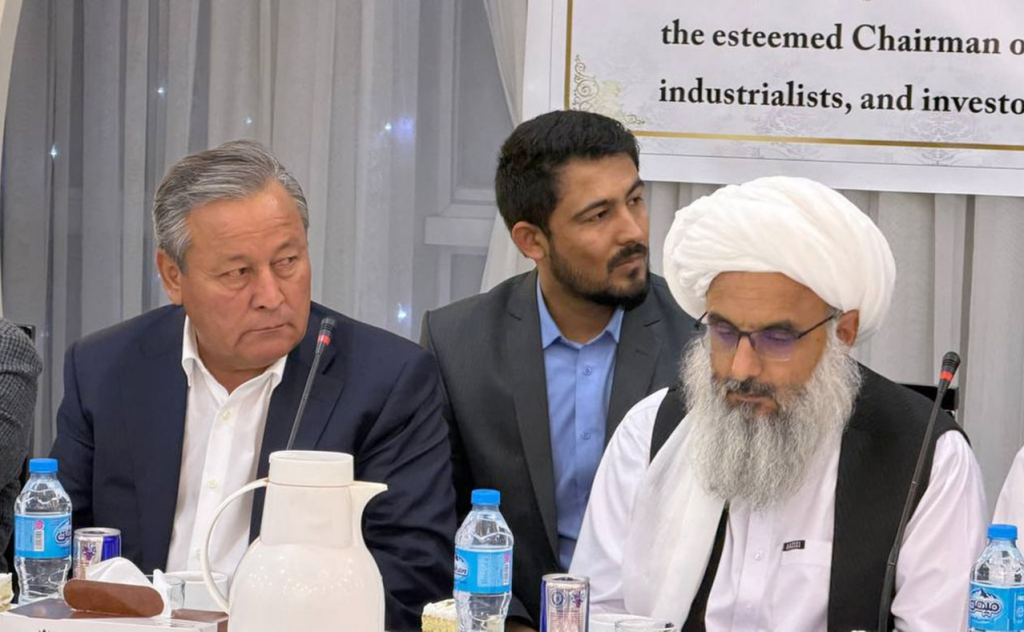
In a significant development for Central Asian commerce, entrepreneurs from Uzbekistan and Afghanistan have signed trade agreements worth $300 million during a business forum held in Herat, Afghanistan. The event marked the opening of the Andijan Trade House, a new commercial hub aimed at facilitating cross-border trade and investment between the two neighboring countries.
Strengthening Economic Cooperation in Central Asia
The business forum was organized under the leadership of Shuhrat Abdurahmonov, Governor of Uzbekistan’s Andijan region, and Davron Vahobov, Chairman of the Uzbekistan Chamber of Commerce and Industry. A delegation of 110 Uzbek entrepreneurs traveled to Herat to engage with local Afghan business representatives in discussions that covered a broad range of trade facilitation issues.
Key topics included easing visa regimes to promote business travel, improving mechanisms for mutual settlements to streamline financial transactions, simplifying pharmaceutical exchange procedures, and expanding logistics networks for agricultural and cement products. These discussions aimed to tackle long-standing barriers and build practical frameworks to enhance bilateral trade.
"Such cooperation platforms open wide doors of opportunity for entrepreneurs," said Nur Ahmad Islomjar, Governor of Herat province, during the opening ceremony of the Andijan Trade House.
The newly established trade house covers 10 sectors and features over 200 product categories, presenting a comprehensive showcase of goods that is expected to serve as a dynamic platform not only for product exhibition but also for forging new partnerships and attracting investment projects.
This collaboration signals a broader regional policy shift toward revitalizing economic ties within Central Asia, especially between Afghanistan and its northern neighbors. Since the political changes in Afghanistan in 2021, Central Asian states have cautiously re-engaged with Afghan authorities, with forums previously held in cities such as Astana and Tashkent. However, this is the first major multilateral consultation conducted on Afghan soil since then, underscoring a tangible move toward on-the-ground economic integration.
In April 2026, Uzbekistan’s delegation, led by Abdulla Azizov, Director of the Pharmaceutical Development Agency, conducted negotiations in Kabul with Afghan officials, emphasizing the importance of the pharmaceutical sector as a key area for cooperation. Shortly thereafter, the "Afghanistan-Central Asia Consultative Dialogue" took place in Kabul, further institutionalizing dialogue channels between Afghanistan and its regional partners.
Macro-Economic Implications and Long-Term Outlook
The $300 million in agreements represent more than immediate trade deals; they embody a strategic recalibration of regional economic policy. Uzbekistan’s proactive approach to restoring and expanding trade links with Afghanistan could stimulate cross-border commerce, enhance supply chain resilience, and provide alternative markets and transit routes. This is particularly salient given ongoing geopolitical shifts and the global emphasis on diversified trade corridors.
Moreover, the focus on sectors such as agriculture, pharmaceuticals, and construction materials reflects an understanding of mutual economic complementarities. Uzbekistan’s logistical capabilities and relative political stability position it as a pivotal trade and investment partner for Afghanistan’s reconstruction and economic stabilization efforts.
For senior decision-makers, these developments offer insights into emerging economic alliances that may impact regional trade flows, investment priorities, and cross-border regulatory harmonization. The establishment of institutionalized platforms like the Andijan Trade House indicates a long-term commitment to economic integration that could offset regional risks and create new growth trajectories.