Drone Attacks on Russian Cities Highlight Rising Security and Economic Risks
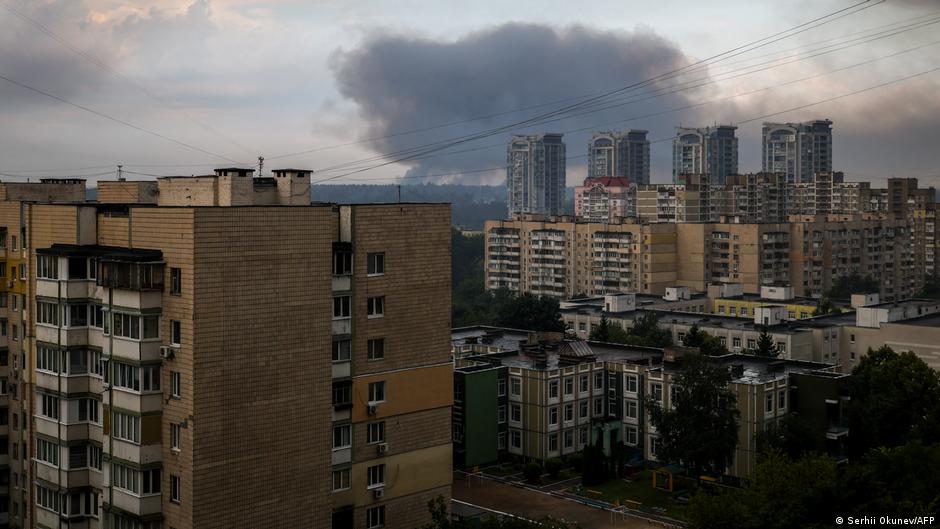
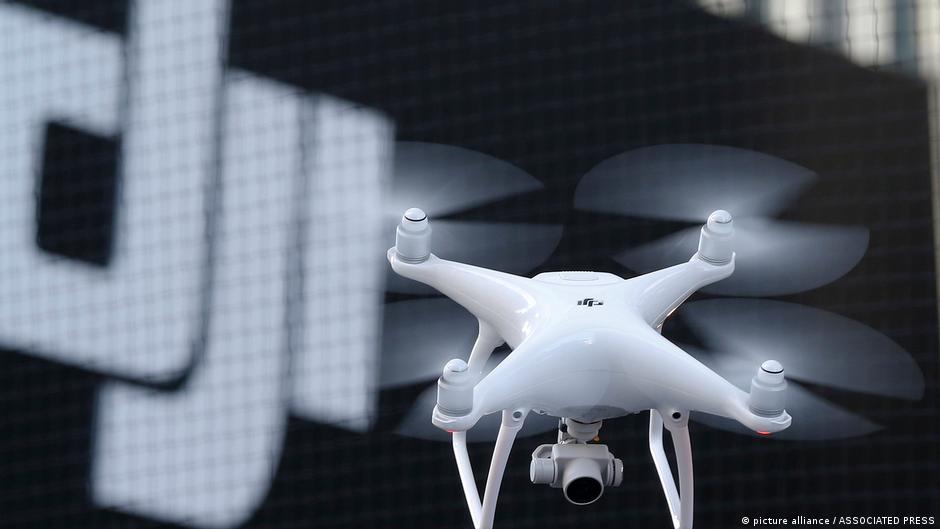
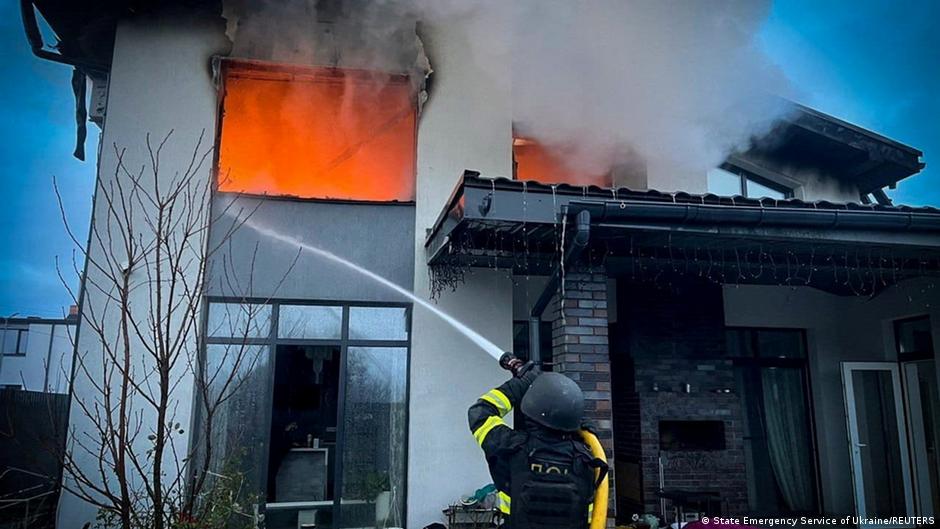
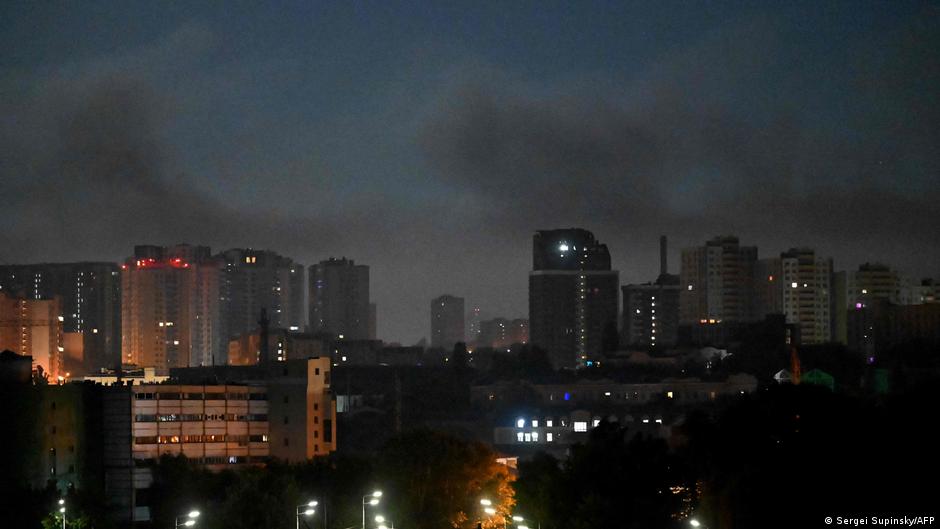
Drone strikes on Russian cities Belgorod, Rostov-on-Don, and Engels highlight increasing security risks and potential economic disruptions to critical infrastructure.

Drone strikes on Russian cities Belgorod, Rostov-on-Don, and Engels highlight increasing security risks and potential economic disruptions to critical infrastructure.

The US removes sanctions on Miami-based Bel-Kap-Steel amid Belarus's release of political prisoners, signaling shifts in economic diplomacy and regional market dynamics.

Ukraine's strikes on Wildberries warehouses in Russia and Crimea disrupt logistics, exposing vulnerabilities in supply chains and signaling broader economic risks amid the regional conflict.

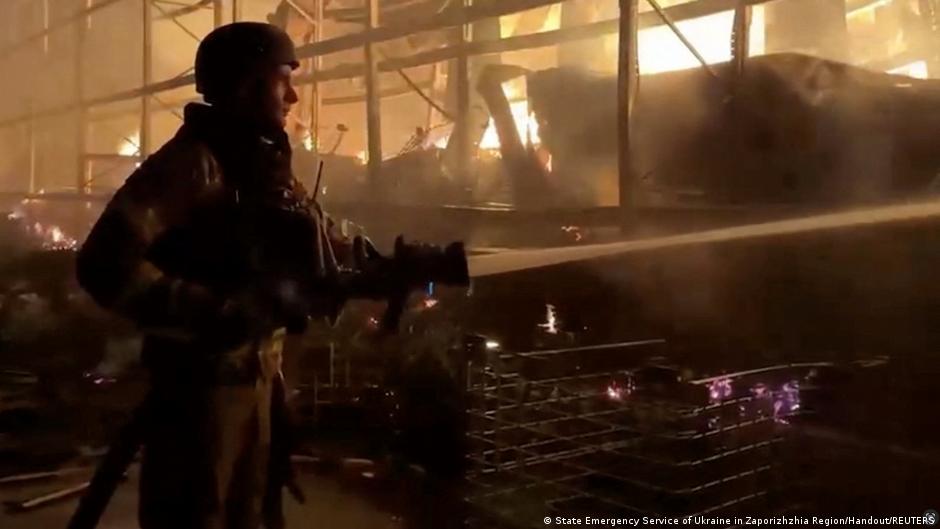
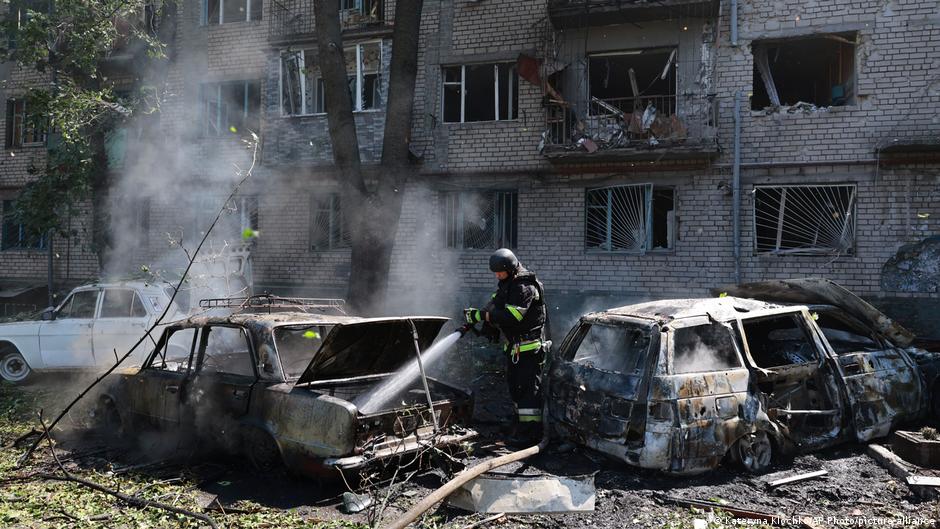
Russian airstrikes on Zaporizhzhia and Sumy caused civilian casualties and damaged critical infrastructure, escalating economic and humanitarian challenges in Ukraine.

A large-scale Russian missile strike on Kyiv caused casualties and widespread urban damage, intensifying regional instability and raising global economic concerns.

The US administration is poised to allow Saudi Arabia to enrich uranium without enhanced IAEA safeguards, raising concerns over nuclear proliferation and regional stability.

Hungary blocks Ukraine from opening key EU accession negotiation clusters, complicating regional enlargement efforts and delaying economic reforms.

Ukrainian drone strikes on Russian logistics centers and urban areas have caused casualties and infrastructure damage, signaling increased security risks and potential supply chain disruptions.

Russian missile and drone strikes on Kyiv and Kharkiv escalate conflict, threatening Ukraine's economic stability and regional markets.

Russian forces launched a combined strike on Izyum, Ukraine, using guided bombs and drones, causing casualties and infrastructure damage with significant economic implications.

A UN report spotlights Uzbekistan’s success in reducing water stress through reforms, digital innovation, and international cooperation, offering a model for global water sustainability.

The Saratov refinery’s shutdown after Ukrainian drone attacks worsens Russia’s fuel crisis, disrupting 25% of refining capacity and impacting millions amid wartime economic pressures.

The US plans to remove Syria from the terrorism sponsors list, lifting sanctions and enabling economic reconstruction and reintegration into the global economy.

Uzbek aluminium producer AKFA Aluminium is preparing for its first international bond issuance, marking a milestone in regional capital market integration and corporate transparency.

Germany plans a record €124.7 billion defense budget for 2026, marking a 25.5% rise and signaling a major shift in European security and economic policy.

Russian missile and drone strikes on Kyiv and Kharkiv intensify, causing casualties and infrastructure damage with significant economic and geopolitical implications.

Germany’s 2027 budget increases defense spending and borrowing amid Russian security concerns, raising questions about economic growth and fiscal sustainability.

Russian missile and drone strikes on Kyiv have caused civilian casualties and infrastructure damage, escalating tensions with potential global economic repercussions, especially for supply chains and energy markets.

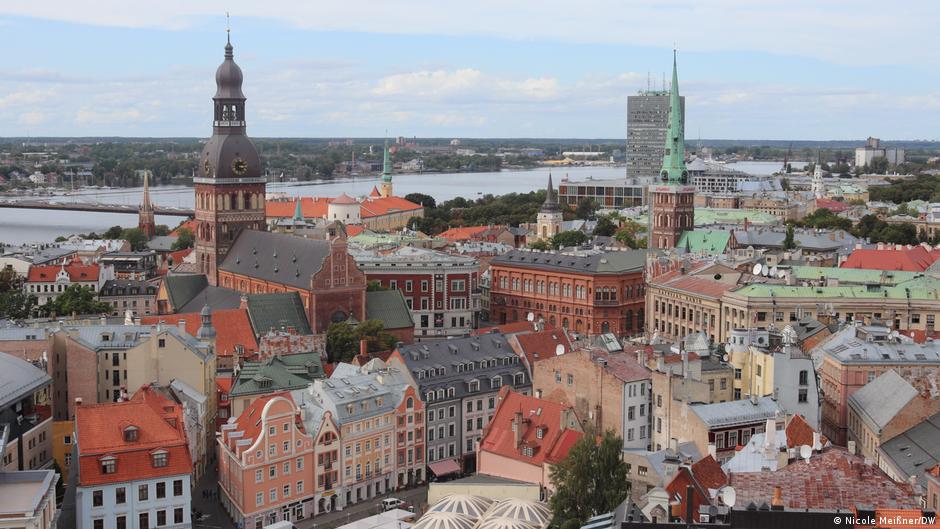
Latvian President Edgars Rinkēvičs warns NATO to prepare for potential escalation with Russia, stressing the need for increased military capabilities and clear deterrence signals to Moscow.

France joins Italy, Spain, and Hungary in tightening visa rules for Russian citizens, signaling a coordinated EU response with significant economic and geopolitical consequences.

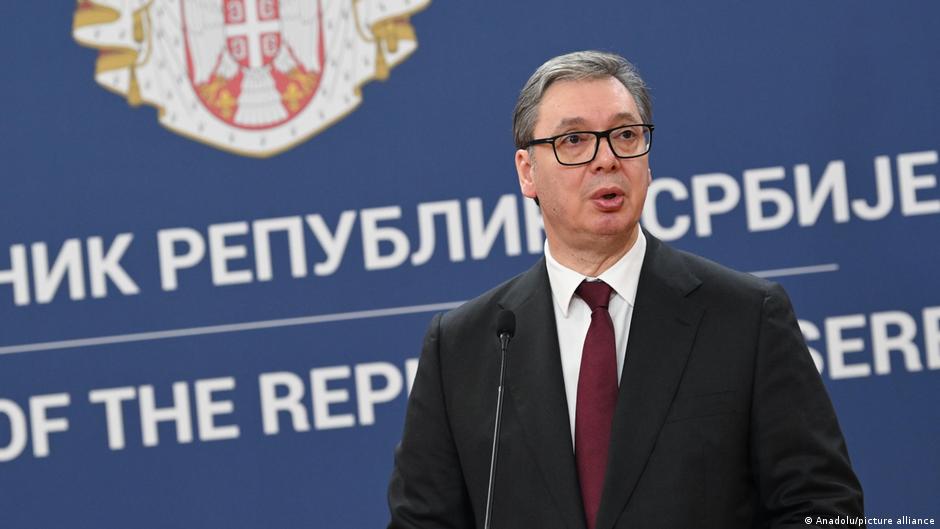
The US has extended a temporary license allowing Serbian oil company NIS to operate under sanctions while Gazprom's stake sale deadline is repeatedly postponed.

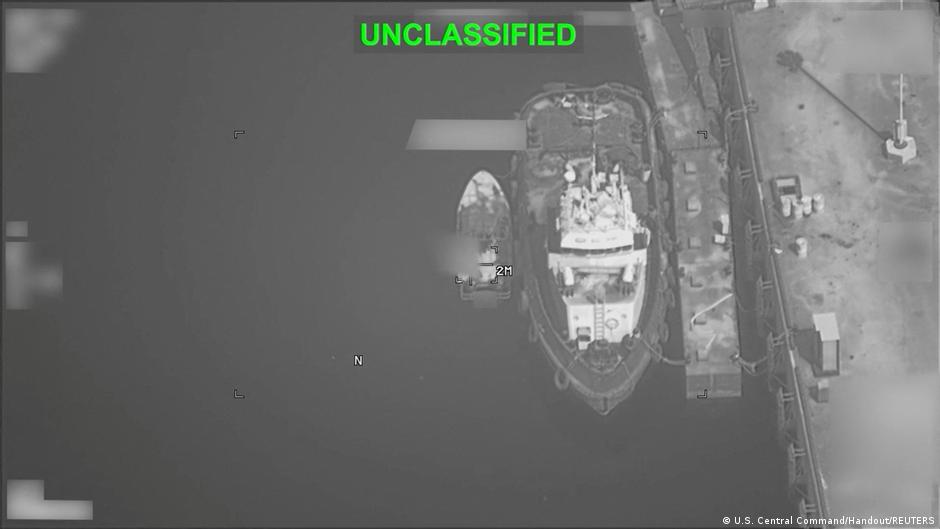
US forces struck Iranian military sites following attacks on commercial vessels in the Strait of Hormuz, heightening geopolitical risks to global energy supply and economic stability.

Finland amends its atomic energy law to lift the ban on nuclear weapons import, aligning with NATO membership and reshaping regional security dynamics.

Russia closes Romania’s consulate in St. Petersburg after Bucharest shut the Russian consulate in Constanța following a drone incident in Galați, raising regional security concerns.

PACE adopts a resolution condemning democratic backsliding in Georgia, urging cessation of opposition repression and highlighting risks to regional stability and economic governance.

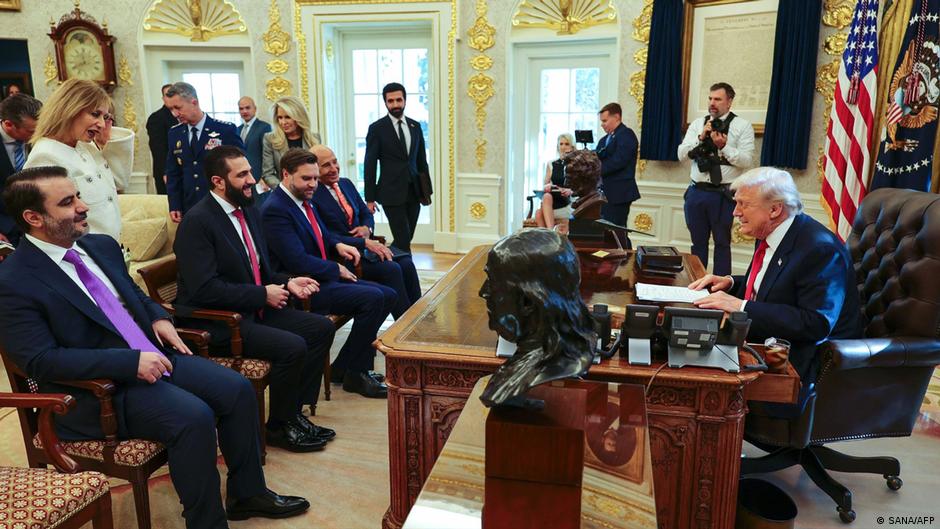
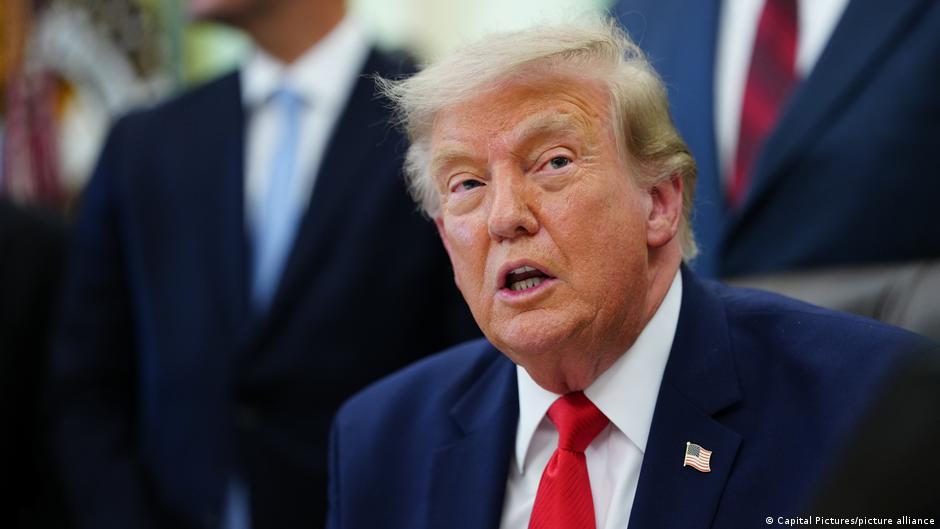
Trump praises Zelensky's resilience in the Russia-Ukraine war and criticizes European allies, reflecting shifting diplomatic dynamics with far-reaching economic and geopolitical implications.

The US has imposed sanctions on five Cuban state-owned companies controlling 40% of GDP, escalating economic pressure with significant regional and global implications.

Ukraine’s drone strikes on Russian refineries have forced Russia to impose fuel sales limits in 53 regions, signaling major disruptions in its oil sector with global economic impact.

Russian strikes on Zaporizhzhia and Kharkiv have caused civilian injuries and infrastructure damage, intensifying regional instability and raising significant humanitarian and economic concerns.

The US and Iran have agreed on a communication channel to prevent incidents in the Strait of Hormuz, setting a 60-day roadmap to finalize broader agreements impacting regional security and global energy markets.

Germany urges the EU and Turkey to exclude Russian gas in future contracts, reflecting a strategic shift as Turkey seeks to become a regional gas hub amid evolving geopolitical tensions.

Ukrainian drone attacks on Crimean ports and energy facilities highlight rising regional tensions and risks to energy logistics and economic stability.

Italy’s Foreign Minister cancels US visit following offensive remarks by Donald Trump about Prime Minister Meloni, highlighting tensions in transatlantic relations and potential impacts on economic cooperation.

U.S. intelligence warns Israel may attempt to undermine the U.S.-Iran nuclear deal, risking increased Middle East instability and complicating global economic and policy landscapes.

US envoy Stephen Witkoff travels to Switzerland for nuclear talks with Iran, delayed by Lebanon conflict, with major economic stakes tied to ceasefire and sanctions relief.

The US ends its blockade of the Strait of Hormuz under Trump’s directive, opening a 60-day negotiation period with Iran and easing tensions in global oil markets.

Russia launched ballistic missile strikes on Kyiv and other Ukrainian cities soon after the G7 pledged increased support for Ukraine, signaling a potential escalation with broad economic implications.

Pakistan announces the immediate reopening of the Strait of Hormuz following a US-Iran memorandum, signaling a major shift with global economic implications.

Bolivia and the US have signed their first drug control cooperation agreement in 18 years, marking a strategic shift with significant implications for global drug markets and economic policy.

Eduardo Bolsonaro is sentenced to over four years in prison for lobbying US sanctions against Brazil and barred from public office amid escalating political tensions.

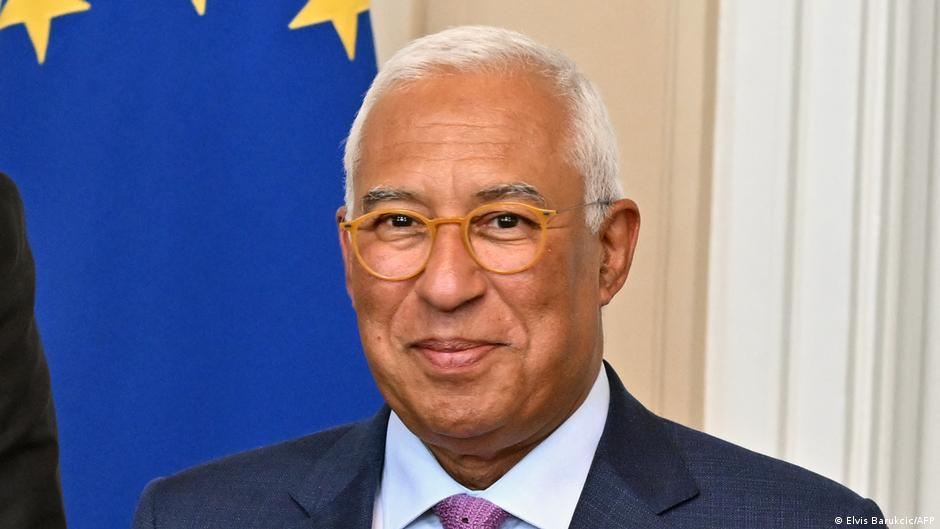
The EU has initiated the first negotiation cluster with Ukraine and Moldova, moving from preparation to detailed talks on future membership conditions and reforms.

Germany's labor shortage is set to rise to 4.3 million by 2036 due to baby boomer retirements and reduced immigration, challenging economic growth and social welfare sustainability.
France, Germany, UK, and Italy endorse the US-Iran agreement as a vital step toward regional peace and global economic stability, stressing the need to prevent Iran’s nuclear armament.

Russian missile strikes on Kyiv and Kharkiv have caused civilian deaths, damaged cultural heritage sites, and disrupted critical infrastructure, with significant implications for Ukraine’s economy and recovery.

Coordinated drone attacks across Russian regions have targeted key industrial and transport infrastructure, risking disruptions to production and broader economic stability.

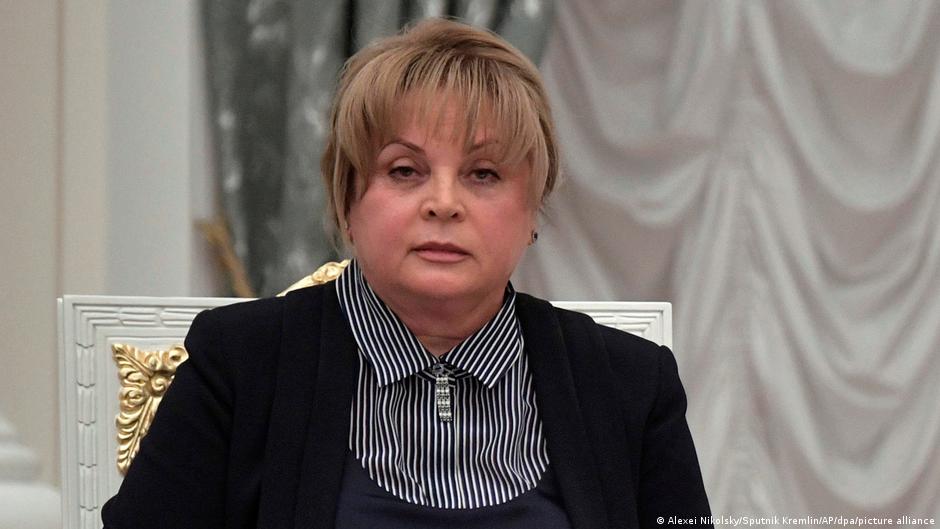
Armenia’s Central Election Commission recounted votes at one-third of polling stations, resulting in minor vote increases for main parties amid political tensions ahead of final tally.

The US plans major cuts to fighter jets, naval vessels, and troops in Europe, signaling a strategic shift towards the Indo-Pacific with implications for NATO's operational capabilities and alliance burden-sharing.

President Trump cancels planned airstrikes on Iran amid advancing talks supported by regional powers, signaling potential for a strategic agreement affecting global energy and security.

SpaceX’s $75 billion IPO valued at $1.77 trillion marks a historic milestone, reshaping the global space economy and signaling new paradigms for investment and technological advancement.

The U.S. House approved $70 billion funding for immigration enforcement agencies, reflecting critical policy shifts with significant global economic and geopolitical implications.