Italy Protests Put Cost of Living and Defence Spending in Conflict
Nationwide demonstrations and a general strike highlight growing European pressure to balance household costs with expanding security budgets.
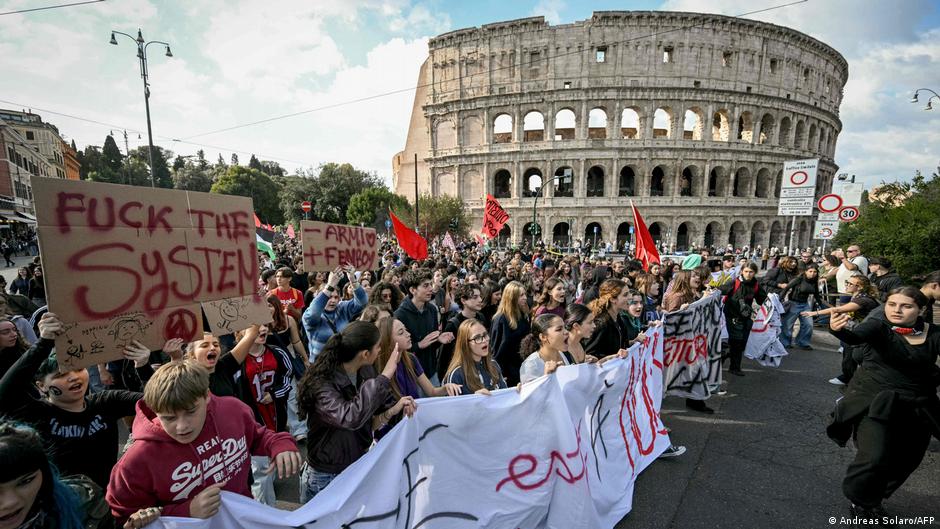
Mass protests across Italy on October 30 brought the country’s cost-of-living pressures and rising military expenditure into direct political conflict, underscoring the increasingly difficult fiscal choices facing European governments.
Demonstrations took place in more than 60 Italian cities, while a nationwide 24-hour general strike was held at the initiative of the Unione Sindacale di Base, or USB. Organisers said between 1 million and 1.5 million people participated in the protests, while Italy’s Interior Ministry put the figure at 255,000.
The large discrepancy between the estimates does not obscure the broader economic signal: household frustration over essential expenses is becoming closely linked to opposition to governments allocating more resources to defence. Protesters specifically cited higher apartment rents and fuel prices, two costs that can quickly erode disposable income and feed public perceptions that economic policy is failing to protect living standards.
“We need more housing, not more bombs,” one protest slogan said.
Fiscal trade-offs move into public debate
For senior policymakers and business leaders, the demonstrations illustrate how Europe’s security commitments may encounter stronger domestic resistance when wage growth and social support do not keep pace with housing, energy and transport costs. Higher military spending competes with education, housing and other public priorities at a time when governments are already navigating constrained budgets.
The Italian protests were largely peaceful, according to the national news agency ANSA. Disorder emerged later in the day in Rome and Turin, where some protesters set fire to rubbish bins and threw objects at police. Law enforcement officers responded with tear gas and water cannon.
Interior Minister Matteo Piantedosi defended the authorities’ response in a post on the social media platform X, saying the measures taken were balanced and effective. He said that approach had protected the fundamental right to demonstrate peacefully despite attempts by some individuals to provoke disorder and violence.
The protests also coincided with a general strike, increasing their potential economic impact beyond the immediate political message. A 24-hour stoppage can disrupt transport, public services and commercial activity, while signalling that dissatisfaction has spread from street demonstrations into organised labour action. If such mobilisation becomes more frequent, it could complicate investment planning and raise operational risks for companies dependent on reliable logistics and public infrastructure.
A widening European protest cycle
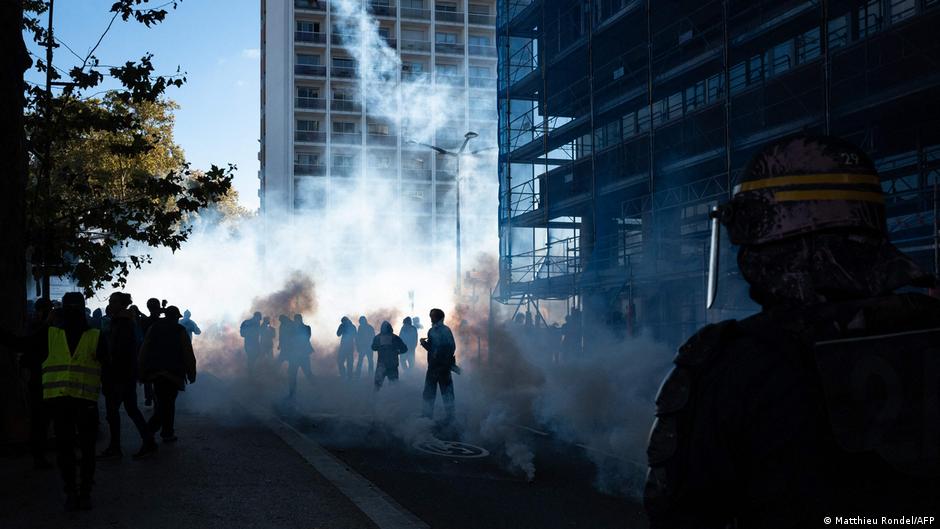
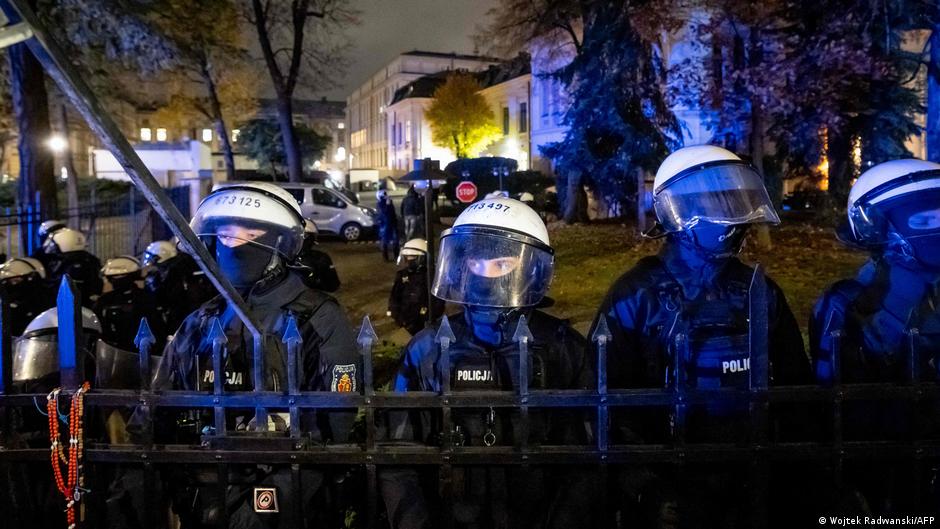
Italy’s October 30 demonstrations formed part of a broader protest wave that has spread across other European countries in recent weeks. France has experienced actions in multiple cities that escalated into riots and clashes with police, while Belgium has also seen demonstrations.
The cross-border pattern suggests that the underlying concerns are not confined to a single national economy. Living costs, housing affordability and public spending priorities are becoming shared European political issues. They also expose a structural challenge: governments are being asked simultaneously to strengthen defence, maintain social investment and ease pressure on households without allowing deficits or debt burdens to become unmanageable.
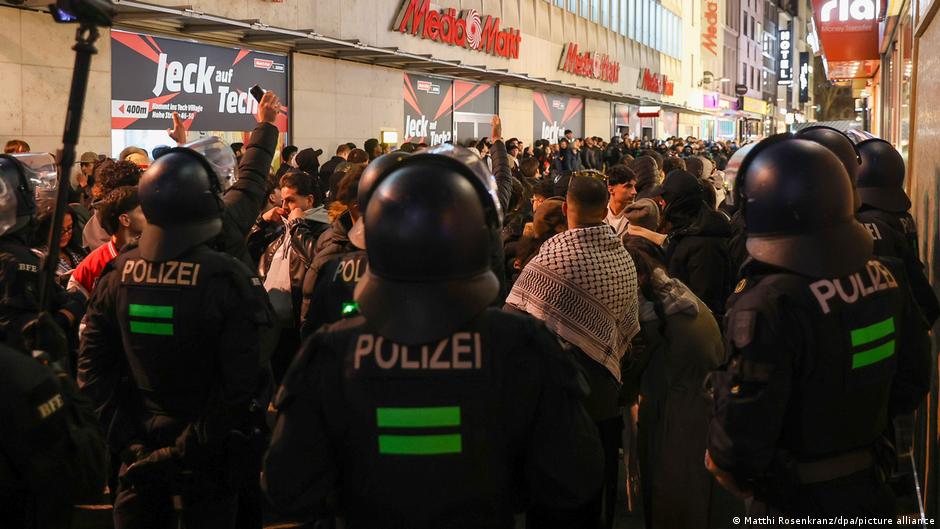
Similar protests were scheduled for October 31 in more than 30 German cities. The movement Gen-Z regelt, meaning “Generation Z decides,” called for the demonstrations, which were expected to draw tens of thousands of predominantly young participants.
German protesters were expected to voice dissatisfaction with the rising cost of living and the potential return of military conscription, while also demanding increased education spending. Experts expected the demonstrations in Germany to proceed largely without disorder.
The emphasis on education and conscription adds a generational dimension to the economic dispute. Younger Europeans face high housing costs and uncertain long-term income prospects, while potentially being asked to accept new defence obligations. Their demand for greater education expenditure reflects concern that security policy could divert public money from investments that support productivity, skills and future growth.
Long-term implications for European policy
The immediate macroeconomic consequences of the demonstrations will depend on whether the protests and strikes persist. However, the longer-term policy implications are already visible. Governments seeking to raise military expenditure may need to explain more clearly how those commitments will be financed and what protections will remain for households exposed to higher rents, fuel prices and other essential costs.
Failure to address those concerns could increase political fragmentation and resistance to fiscal reforms. It may also make multiyear defence planning harder if spending commitments become vulnerable to electoral pressure or sustained labour mobilisation.
For Europe’s economic leadership, the central challenge is no longer simply choosing between security and social spending. It is developing a credible policy mix that supports defence requirements while preserving investment in housing, education and household resilience. The protests in Italy, France, Belgium and Germany indicate that voters increasingly view those priorities as interconnected—and that the distribution of public resources is likely to remain a central source of political and economic risk.