US Weighs Sanctions Relief for Russian Fund in Diesel Supply Talks
The potential easing of restrictions on RDIF links renewed US-Russia diplomacy to energy markets and a broader reassessment of economic pressure.
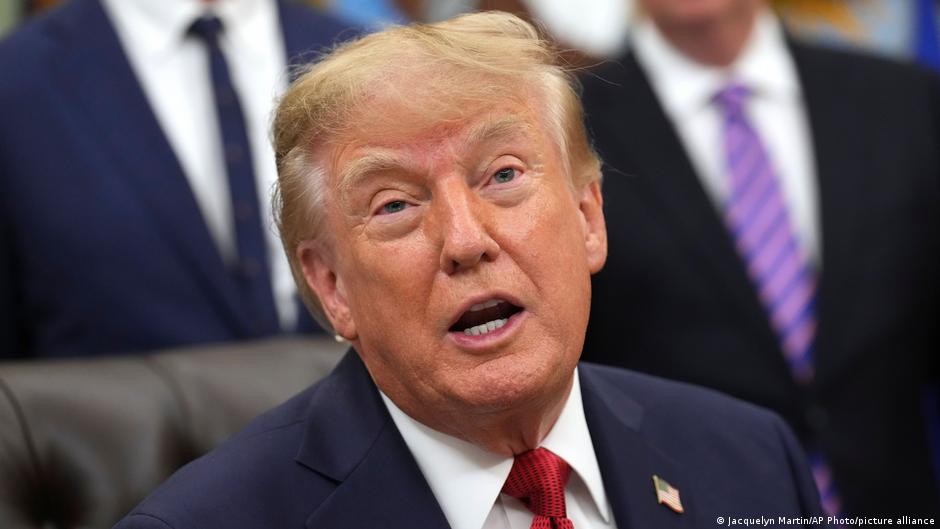
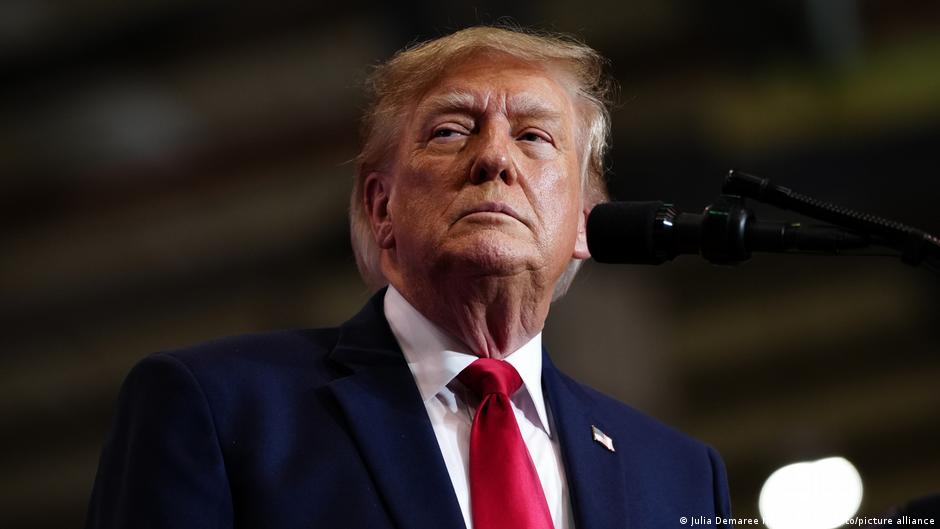
The Trump administration is considering lifting sanctions on the Russian Direct Investment Fund, or RDIF, as Moscow seeks to involve the sovereign investment vehicle in proposed deliveries of Russian diesel fuel to the United States, The New York Times reported on October 27.
The deliberations could signal a significant shift in Washington’s use of financial restrictions against Russia. Under the previous US administration, officials described RDIF as President Vladimir Putin’s “slush fund” and imposed sanctions on it four days after Russia launched its full-scale invasion of Ukraine.
According to people familiar with US-Russian negotiations cited by the newspaper, Moscow is pressing for the restrictions to be removed so that RDIF can participate in diesel shipments. The US Treasury is reportedly reviewing the fund’s application through its standard procedures. Under that process, RDIF would need to demonstrate that the grounds on which the sanctions were imposed no longer apply.
“Consideration of further sanctions relief for Russia, which has not previously been reported, shows how the Kremlin is using the recent wave of diplomacy surrounding the war in Ukraine to advance an agenda that appears to have little to do with securing peace,” the newspaper said.
Energy supply becomes a channel for sanctions recalibration
The review connects two policy areas with broad global consequences: the enforcement of sanctions against Russian state-linked entities and efforts to increase supplies of refined petroleum products. Any easing of restrictions on RDIF could facilitate commercial transactions while also testing whether energy-market considerations are beginning to outweigh some of the strategic objectives behind the sanctions regime.
President Donald Trump said on Truth Social on October 9 that he had held “very successful” talks with Putin and that the two leaders had reached an agreement on Russian diesel supplies to the United States and the global market.
Trump said Russia would immediately provide more than 300,000 tonnes of diesel to US and global markets, followed by another 500,000 tonnes during November and 1 million tonnes shortly thereafter. Depending on the condition of Russian oil refineries, Moscow would then make an additional 3 million tonnes available within a short period, according to the president.
Trump argued that Russian energy supplies, combined with what he called US “full control” of the Strait of Hormuz, would cause diesel prices to fall rapidly and substantially for Americans and consumers worldwide. The claim places refined-fuel availability at the center of an economic strategy focused on reducing transport, agricultural and industrial costs, although the source report provides no estimate of the agreement’s eventual effect on prices.
On the same day, the US Treasury said the Office of Foreign Assets Control, acting at the White House’s direction, was immediately issuing a temporary general license authorizing deliveries of Russian diesel to the global market. Putin later formally confirmed both the telephone conversation with Trump and the agreement concerning Russian petroleum-product supplies to international markets.
RDIF’s role extends beyond a single fuel transaction
RDIF is led by Kirill Dmitriev, a central participant in Russian-American negotiations, including discussions related to the war in Ukraine. Dmitriev has repeatedly met representatives of the current US administration and has promoted Kremlin proposals for potential joint business projects between Russia and the United States.
The fund was established in 2011 to attract foreign investment into Russia. Its projects have included Sputnik V, Russia’s vaccine developed during the COVID-19 pandemic. Although RDIF is formally a sovereign investment fund, the Biden administration portrayed it as an instrument of Putin’s political and economic system when imposing sanctions.
At the time, the US Treasury said that many viewed RDIF as Putin’s “slush fund” and as a prominent example of the kleptocracy it said characterized Russia’s system of government. Removing the fund from sanctions would therefore carry meaning beyond the mechanics of diesel trading: it could weaken a restriction originally designed to isolate an institution viewed by Washington as closely tied to Kremlin power.
For senior economic decision-makers, the central issue is whether the review remains a narrow administrative decision or becomes a precedent for wider sanctions relief. A transaction-specific accommodation could improve diesel availability without dismantling the broader framework. Full removal of RDIF restrictions, however, could reopen channels for Russian investment activity and encourage proposals for bilateral ventures in other sectors.
The episode also illustrates how energy security can reshape foreign-policy instruments over time. Sanctions introduced in response to the invasion of Ukraine are now being assessed alongside fuel supply, inflation and market stability. If Washington proceeds, businesses and governments will need to monitor whether the move changes compliance risks, trade flows and the credibility of sanctions as a long-term tool of economic pressure.