Russian Strikes on Ukraine Disrupt Energy Supply and Business Infrastructure
Attacks across Kyiv, Odesa, Sumy and surrounding regions damaged commercial and residential assets while forcing new electricity limits.
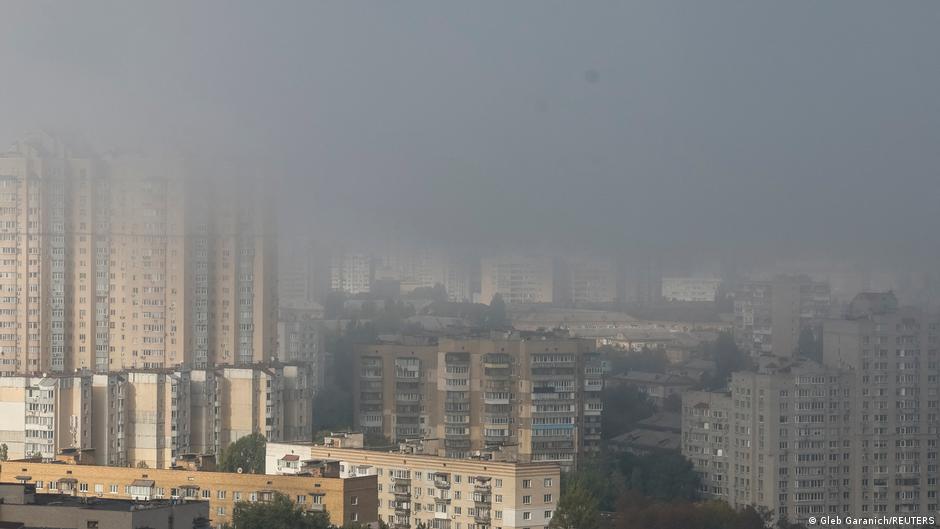
Russian forces continued large-scale attacks on several Ukrainian regions on the evening of Wednesday, September 30, striking urban infrastructure, residential areas and energy-linked systems at a moment when Ukraine’s economy remains highly exposed to wartime disruption. Local authorities, emergency services and media reported damage in three districts of Kyiv, a business center in Odesa, several districts of the Kyiv region and residential buildings in Sumy, where at least six people were wounded.
The attacks add to the operational strain on Ukraine’s public services and private sector. While the immediate toll was localized damage to warehouses, buildings, homes, vehicles and electricity supply, the broader economic significance lies in the persistence of disruptions to logistics, commerce, housing and power availability. For senior decision-makers, the episode underscores how repeated strikes continue to impose costs beyond the battlefield, shaping business continuity, public spending needs and regional energy security.
Urban Damage and Commercial Disruption
In Kyiv, Mayor Vitali Klitschko reported on Telegram that a drone hit warehouse premises in the Obolon district. In the Holosiivskyi district, debris from an unmanned aerial vehicle fell on open ground near a road, setting trees on fire. According to the UNIAN news agency, a Russian drone struck a multi-storey residential building in Kyiv’s Solomianskyi district. The main damage was caused to a cafe on the ground floor, while the blast wave and debris also damaged other establishments, apartment windows and cars parked nearby.
In Odesa, a drone hit a business center. The reported strike on commercial property is economically important because Odesa remains a key urban and business hub, and attacks on offices or service-sector facilities can interrupt local employment, contracts and supply-chain coordination even when damage is limited to a single site.
Even relatively small strikes on business premises can produce cumulative losses for an economy operating under wartime uncertainty. Damaged cafes, offices, warehouses and vehicles must be repaired or replaced, while employees, suppliers and customers face interruptions. For investors and lenders assessing Ukrainian exposure, these events reinforce the premium placed on resilience planning, insurance coverage, backup energy systems and geographically diversified operations.
Kyiv Region and Sumy Face Wider Civilian Costs
The evening attacks also caused damage in five districts of the Kyiv region, according to Timur Tkachenko, head of the Kyiv Regional Military Administration, writing on Telegram. He said a woman was injured in the Boryspil district as a result of the enemy attack.
“As a result of the enemy attack in the Boryspil district, a woman was injured,” Tkachenko wrote.
Several residential buildings and cars were also damaged in the Bucha, Obukhiv, Fastiv and Bila Tserkva districts, he said. In Bila Tserkva, the building of an educational institution was also damaged. The spread of damage across multiple districts points to the challenge facing regional administrations: emergency response, repairs and support to households must be distributed across several localities rather than concentrated in one area.
Russian forces also struck Sumy with guided aerial bombs, according to the Main Directorate of Ukraine’s State Emergency Service in Sumy region, which reported the attack on Facebook. Preliminary information indicated that six people were injured. Private and multi-storey residential buildings were damaged in the city, and the roof of one building caught fire.
For Ukraine’s fiscal and municipal authorities, repeated damage to housing stock creates longer-term liabilities. Each destroyed roof, broken window or damaged apartment block adds pressure to local budgets and humanitarian support systems. The impact is also macroeconomic: reconstruction demands labor, materials and financing that could otherwise be allocated to productive investment, while households facing insecurity may reduce consumption or relocate.
Power Restrictions Signal Broader Economic Pressure
The most significant macroeconomic consequence reported in the aftermath of the attacks was the pressure on Ukraine’s energy system. In an evening statement on Facebook, national energy company Ukrenergo said restrictions on electricity consumption were being introduced because of Russian attacks on energy facilities.
“Due to the difficult situation in the energy system, tomorrow, October 1, measures to restrict consumption will be forced to apply in certain regions of Ukraine,” the company said.
For industry and business, power limitation schedules will apply from 8:00 a.m. to 9:00 p.m., according to Ukrenergo. Hourly outage schedules for all categories of consumers will apply from 8:00 a.m. to 11:00 a.m. and from 4:00 p.m. to 9:00 p.m. In Kyiv and three other Ukrainian regions, local authorities had already applied emergency power outage schedules on September 30.
The timing and structure of the restrictions matter for economic output. Limits during working hours affect manufacturing, retail, logistics, offices and digital services. Evening restrictions also hit households and small businesses, particularly those without backup generation or storage. For larger firms, power rationing can mean lower capacity utilization, delayed production runs and higher operating costs. For smaller enterprises, even a few hours of outage can translate into lost revenue and spoiled inventory.
Energy constraints are also a policy challenge. Ukraine’s authorities must balance grid stability, household needs and industrial demand while managing the consequences of repeated infrastructure attacks. The introduction of scheduled limitations gives businesses some predictability, but it also confirms that the energy system remains under severe strain. That has implications for inflation, public finance and external support needs, especially as repair costs and emergency procurement accumulate.
Internationally, the attacks highlight how Ukraine’s war-related economic risks extend into Europe’s policy agenda. Continued damage to Ukrainian infrastructure can raise demand for external financing, grid equipment, reconstruction support and private-sector risk mitigation. It also affects companies with operations, suppliers or clients in Ukraine, where planning horizons depend not only on market demand but on the reliability of power and transport infrastructure.
The September 30 attacks therefore carry significance beyond the immediate destruction. They show how military pressure on cities and energy assets can translate into economic friction across households, local governments and businesses. For decision-makers, the key issue is not a single evening of strikes, but the compounding effect of repeated disruptions on Ukraine’s productive capacity, investor confidence and long-term reconstruction burden.