Hungary Reinstates Ban on Ukrainian Agricultural Imports Amid Policy Reversal
Hungary’s government restores import restrictions on Ukrainian farm products, citing protection of domestic farmers and correcting previous procedural errors.
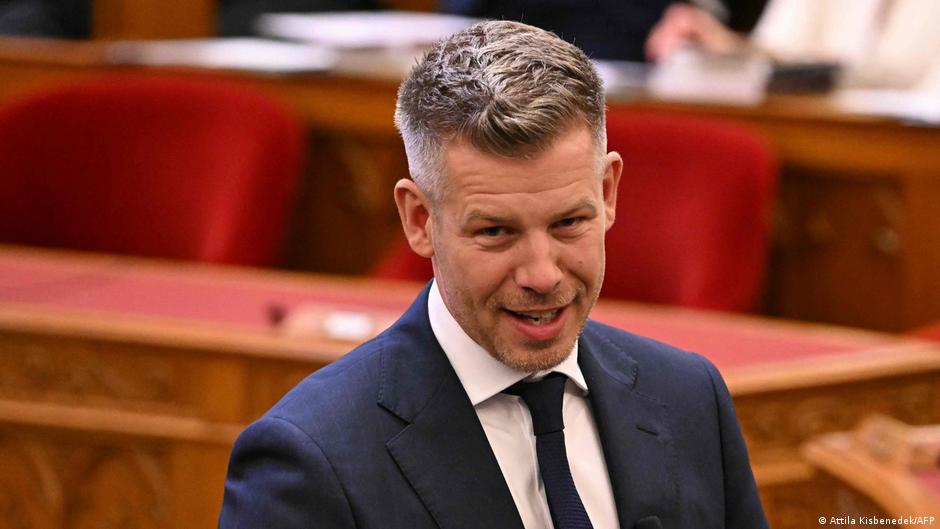
Hungary has announced the reinstatement of a ban on the import of Ukrainian agricultural products, a move signaling a significant shift in trade policy and regional economic dynamics. The new Hungarian Prime Minister, Péter Magyar, confirmed on May 22 that the government is restoring the restrictions which had been accidentally lifted due to a procedural oversight following a change in administration.
Background and Economic Implications
The import ban was initially imposed by the previous government under Viktor Orbán in April 2023 as part of emergency measures aimed at safeguarding Hungary’s domestic agricultural sector. The ban covered approximately 20 categories of products including beef, pork, poultry, eggs, grain, flour, and sunflower and rapeseed oils, with potential additions such as honey expected.
However, on May 14, 2026, the ban was unintentionally nullified due to legislative technicalities linked to the government transition. This temporary lapse lasted just over a week before Budapest took "urgent measures" to reinstate the restrictions. Hungarian Agriculture Minister Szabolcs Bona emphasized that the government will not allow Ukrainian imports to imperil the livelihoods of local farmers.
The context of these restrictions is tied to broader EU trade policy. In May 2022, following Russia's full-scale invasion of Ukraine, the European Union removed tariffs on Ukrainian agricultural goods to support the Ukrainian economy. This liberalization, however, sparked dissatisfaction among farmers in countries bordering Ukraine. Consequently, Hungary, along with Poland and Slovakia, introduced temporary bans on Ukrainian grain and other agricultural imports.
"We will not allow Ukrainian imports to threaten the livelihoods of Hungarian farmers," stated Agriculture Minister Szabolcs Bona, underscoring the government's protective stance on domestic agriculture.
Wider Political and Institutional Consequences
In a related policy reversal, Hungary’s government also announced the withdrawal of its 2025 notice to exit the International Criminal Court (ICC), an institution based in The Hague that prosecutes serious international crimes including genocide and war crimes. The decision to leave the ICC was originally made by the previous administration and was expected to take effect around 2027.
The withdrawal from the ICC had drawn international attention because it coincided with the visit of Israeli Prime Minister Benjamin Netanyahu, who was subject to an ICC arrest warrant. Hungary’s decision ensured that Netanyahu was not detained during his visit.
Hungary is a signatory of the Rome Statute, the treaty establishing the ICC, which it signed in 1999 and ratified in 2001, along with all other European Union member states. The reversal to remain in the ICC signals Budapest’s recalibration towards maintaining international legal commitments.
Long-term Economic and Geopolitical Outlook
Hungary’s reinstatement of the Ukrainian agricultural import ban reflects a broader tension between protecting domestic agricultural sectors and fulfilling EU-wide economic solidarity, especially in the context of the ongoing war in Ukraine. Such trade restrictions may strain intra-EU relations and complicate the bloc’s unified external trade and foreign policy stance.
For senior decision-makers, these developments underscore the delicate balance between safeguarding national economic interests and supporting regional stability through coordinated policies. Hungary’s moves highlight the risks of sudden policy reversals stemming from administrative changes, which can create uncertainty for markets and trading partners.
Moreover, Hungary’s simultaneous retreat from withdrawing from the ICC suggests a nuanced approach to international engagement, potentially signaling a desire to avoid further diplomatic isolation while pursuing assertive economic nationalism at home.
As the EU continues to navigate the ripple effects of the Ukraine conflict on trade, agriculture, and international law, Hungary’s policy shifts will be a key indicator of how member states manage domestic pressures alongside collective commitments.