US to Deploy Additional 5,000 Troops to Poland Amid Strategic Military Realignment in Europe
The US announces increased troop presence in Poland following prior suspension, signaling shifts in European defense posture and NATO commitments.
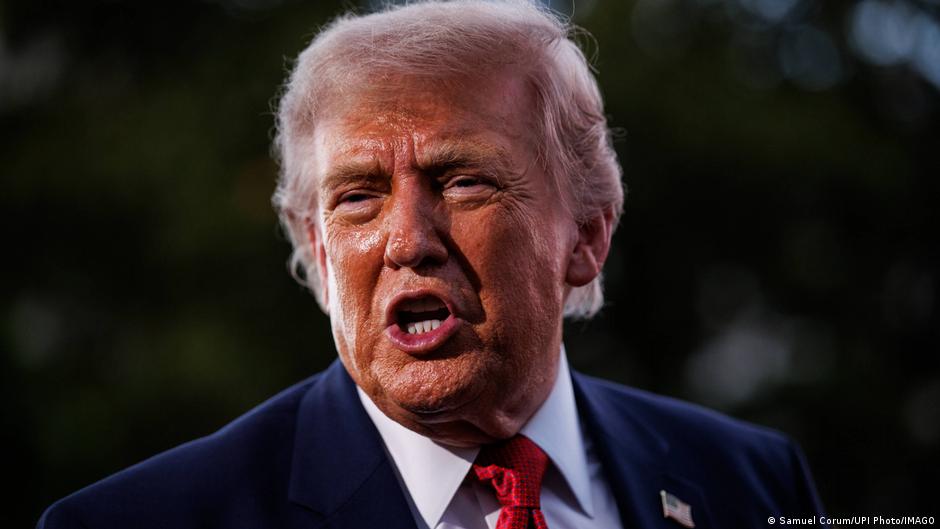
In a notable development in US military strategy in Europe, former President Donald Trump announced the deployment of an additional 5,000 American troops to Poland. This announcement comes shortly after the Pentagon suspended the planned dispatch of 4,000 soldiers to Poland, raising questions about the future trajectory of US military commitments on the continent.
Context and Strategic Implications
Trump cited strong bilateral relations with Poland's newly elected President Karol Nawrocki as a driving factor behind the decision, emphasizing continued American support for Poland's defense. However, he did not clarify whether this deployment constitutes a new contingent or the previously planned 2nd Armored Brigade Combat Team of the 1st Cavalry Division, which was unexpectedly canceled on May 13.
The initial suspension of troop deployment was reported by prominent outlets such as The Wall Street Journal and Defence News, attributing the decision to a broader US strategy of reducing military presence in Europe. This move reportedly surprised many within military circles and caused discontent among Polish defense officials, who learned of the suspension through media rather than official communication.
"Polish military officials are reportedly 'enraged' having discovered troop reduction plans via media reports rather than direct channels," noted defense sources.
Meanwhile, the US has concurrently announced the withdrawal of 5,000 troops from Germany, a decision influenced by criticism from German Chancellor Friedrich Merz regarding US and Israeli policies concerning Iran.
As of mid-May, Poland was bracing for potential troop reductions, although Polish military leadership expressed skepticism about the scale of any cuts. Defense Minister Władysław Kozakiewicz publicly denied any reduction in US troop numbers on Polish soil, affirming ongoing efforts to increase American military presence.
Broader Regional and NATO Impact
Currently, approximately 7,400 US soldiers are stationed in Poland, contributing to a broader US military footprint in Europe of about 100,000 personnel. More than 65,000 of these troops are permanently deployed, with others rotating in cycles.
The Pentagon's announcement on May 19 to withdraw one of four Brigade Combat Teams from Europe will reduce troop numbers to levels last seen in 2021. Despite this, NATO's Supreme Allied Commander in Europe, US Air Force Lieutenant General Christopher G. Cavoli, reassured that these adjustments will not undermine NATO’s plans to strengthen European defense capabilities. He anticipates a strategic reallocation of US forces to other global regions as European military capacities grow.
Furthermore, the US Congress has codified safeguards against precipitous troop reductions, mandating that any cut below 76,000 personnel for more than 45 days must be justified through detailed reports from the Pentagon and European Command leadership.
Long-term Economic and Policy Consequences
The recalibration of US military forces in Europe reflects a complex interplay of geopolitical, economic, and diplomatic factors. For senior decision-makers, these moves highlight shifting US priorities towards a more distributed global presence, balancing commitments in Europe with emerging security challenges elsewhere.
Reduced US military presence in Germany and potential fluctuations in Poland may have economic ripple effects, including changes in defense spending, local economic activity tied to bases, and the broader defense industrial ecosystem. Additionally, these shifts influence NATO's internal dynamics and Europe’s strategic autonomy initiatives.
As the US navigates these transitions, policymakers must evaluate how troop realignments interface with long-term security architecture, alliance cohesion, and economic ramifications in host countries.