EU and US Condemn Israel over Treatment of Detained Pro-Palestinian Activists in Controversial Video
Western governments criticize Israel's handling of pro-Palestinian flotilla activists, raising concerns over international law and diplomatic relations.
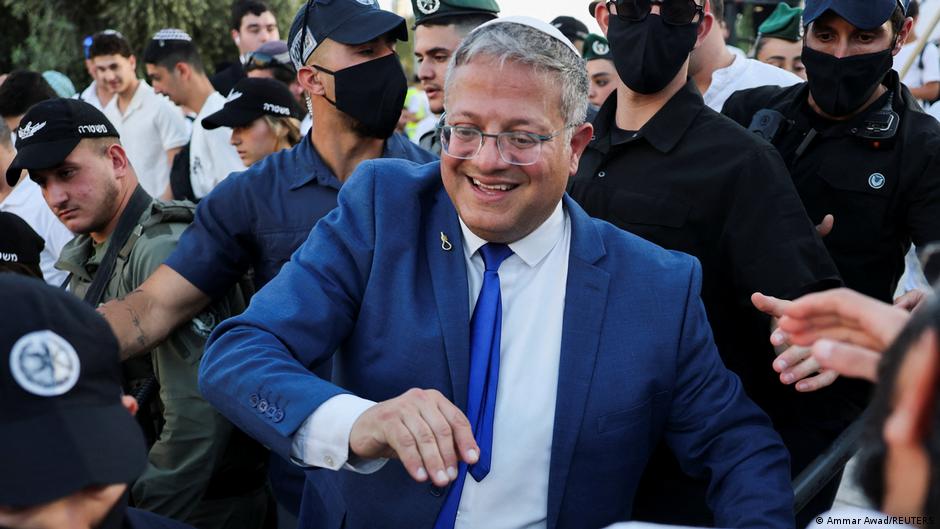
Israel has come under sharp criticism from the European Union (EU) and the United States following the release of a controversial video showing detained activists from the pro-Palestinian Sumud flotilla. The footage, shared by Israeli Minister of National Security Itamar Ben-Gvir, depicts activists bound and kneeling in the port of Ashdod, with the minister seen walking among them while shouting nationalist slogans.
Diplomatic Fallout and International Reactions
The video, posted on the social media platform X, shows activists from the humanitarian flotilla attempting to reach the Gaza Strip intercepted by the Israeli navy. The detainees are seen with hands tied behind their backs and heads lowered, while Ben-Gvir, carrying an Israeli flag, declares: "Welcome to Israel, we are the masters here." The post’s caption brands the activists as "supporters of terrorism."
This display has sparked immediate diplomatic repercussions. On May 20, several Western countries, including Italy, France, Canada, the Netherlands, Belgium, and Portugal, summoned Israeli ambassadors to express their disapproval. Spain recalled its chargé d'affaires given the absence of an Israeli ambassador in Madrid. Poland’s Foreign Minister Radoslaw Sikorski particularly condemned Israel’s treatment of detainees, some of whom are reportedly Polish citizens, stressing that such conduct would not be tolerated in democratic societies.
"In a democratic world, it is unacceptable to mistreat detainees or gloat over them. We demand justice for our citizens and consequences for Israel," Sikorski stated on social media.
The EU’s official spokesperson for foreign affairs, Anuar El-Anuni, described the treatment as "completely unacceptable," emphasizing that all detainees must be treated with dignity and in accordance with international law. EU High Representative for Foreign Affairs and Security Policy, Kaja Kallas, called the behavior "humiliating and intolerable," condemning Ben-Gvir’s conduct as unworthy of any democratic office holder.
The US Ambassador to Israel, Mike Herzog, labeled the flotilla activists’ mission a "foolish stunt" but sharply criticized Ben-Gvir for having "betrayed his nation’s dignity." Germany’s Foreign Minister Johann Wadephul echoed the condemnation, pointing out that such behavior starkly contradicts the values Germany and Israel jointly uphold.
Impact on Israel’s Domestic and Foreign Policy
Within Israel, the incident has caused internal tension. Foreign Minister Gideon Sa'ar publicly reprimanded Ben-Gvir for undermining the state with what he described as a "shameful spectacle." Prime Minister Benjamin Netanyahu affirmed Israel’s sovereign right to prevent provocative flotillas from entering territorial waters en route to Gaza but underscored that Ben-Gvir’s conduct does not reflect Israeli values.
The Sumud flotilla departed from Marmaris, Turkey, on May 14 and was intercepted in international waters about 250 nautical miles from Gaza on May 18. Organizers report 428 individuals from over 40 countries were detained. This is part of a recent pattern of attempts to break Israel’s maritime blockade of Gaza, including a previous flotilla featuring Greta Thunberg in October 2025.
Israeli authorities assert that they will continue to prevent attempts to breach the Gaza blockade, viewing such flotillas as indirectly supporting Hamas, designated a terrorist organization by both the EU and the US. This incident highlights the ongoing geopolitical tensions in the region and poses significant challenges for Israel’s international relations and diplomatic standing.
From a broader economic and policy perspective, this diplomatic friction underscores the risks associated with the geopolitical instability in the Eastern Mediterranean. The controversy may affect trade relations, foreign investment, and aid programs linked to Israel and the Palestinian territories. Moreover, it reflects the fragile balance between security policies and adherence to international norms, which has long-term implications for regional economic integration and cooperation.