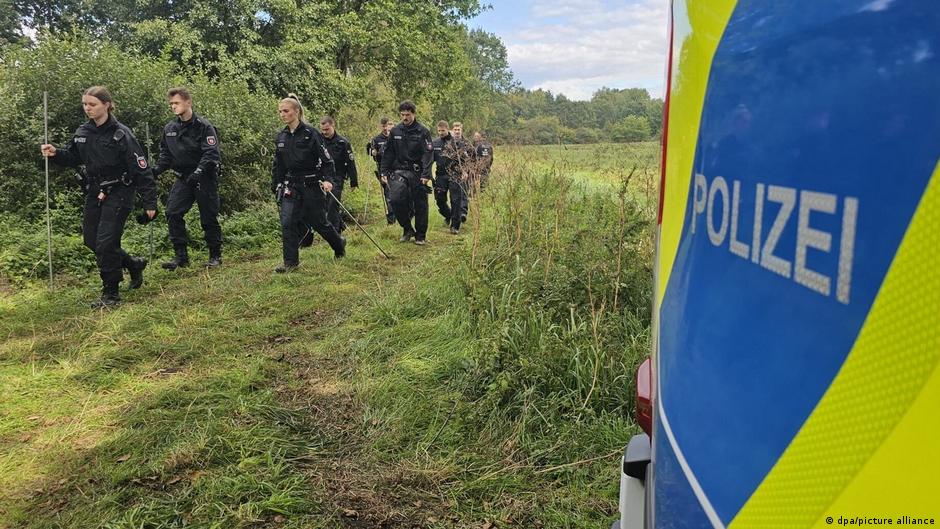
German Public Divided on Banning Alternative for Germany Amid Party’s Rising Popularity
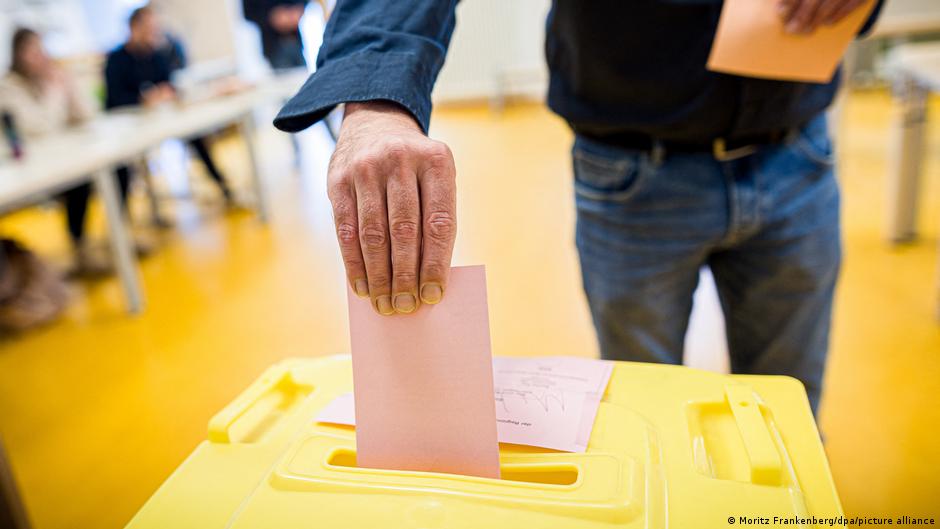
A recent INSA poll shows 45% of Germans oppose banning the far-right AfD, which remains the country's most popular party, outpacing CDU/CSU by 8 points.

A recent INSA poll shows 45% of Germans oppose banning the far-right AfD, which remains the country's most popular party, outpacing CDU/CSU by 8 points.

Severe thunderstorms and extreme heat forced Washington D.C. to cancel major Independence Day events commemorating the U.S. 250th anniversary, underscoring climate-related challenges.

A DGB study finds 40% of German workers doubt they can work until retirement due to physical and psychological strain, raising concerns for pension reforms and labor policies.

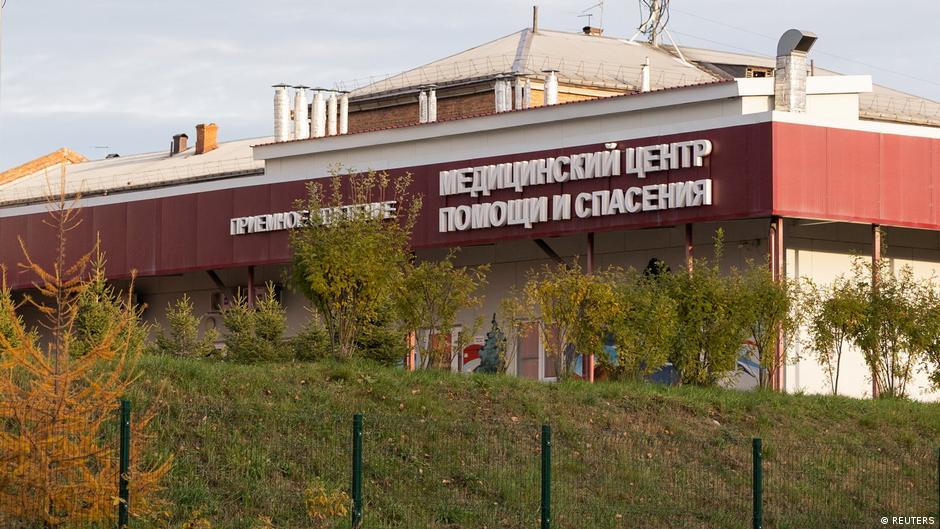
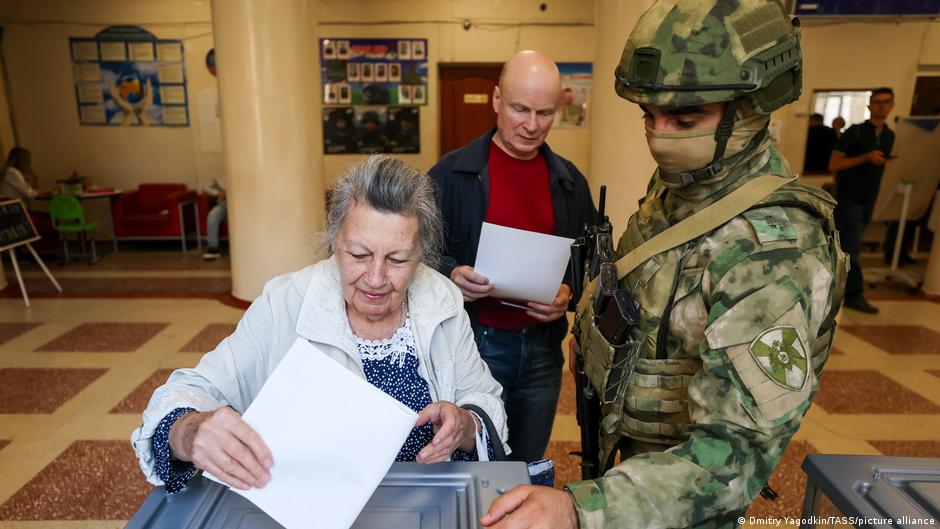
Russia plans to end mandatory medical exams for contract soldiers, revealing recruitment challenges amid the ongoing Ukraine conflict.

Latvian President Edgars Rinkēvičs warns NATO to prepare for potential escalation with Russia, stressing the need for increased military capabilities and clear deterrence signals to Moscow.

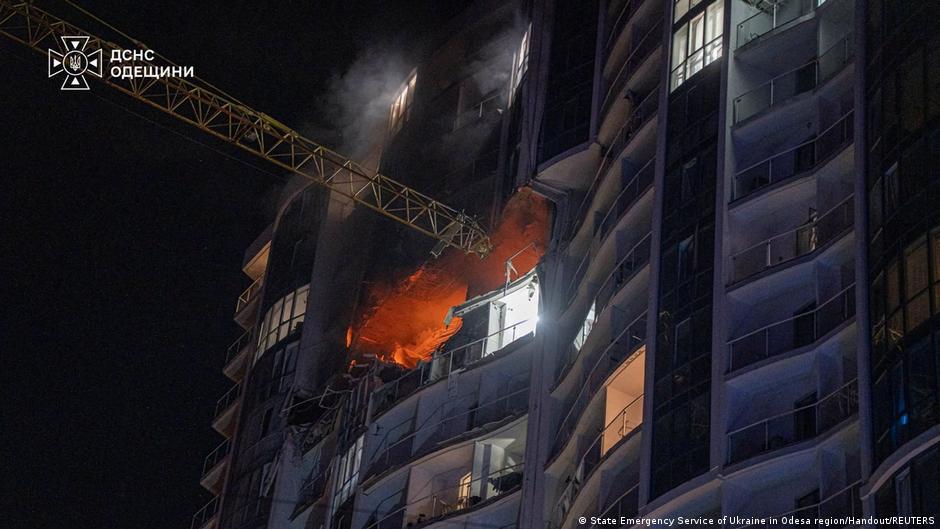
Russian drone and missile attacks on Sumy and Zaporizhzhia caused civilian casualties and infrastructural damage, signaling heightened regional conflict with significant economic repercussions.

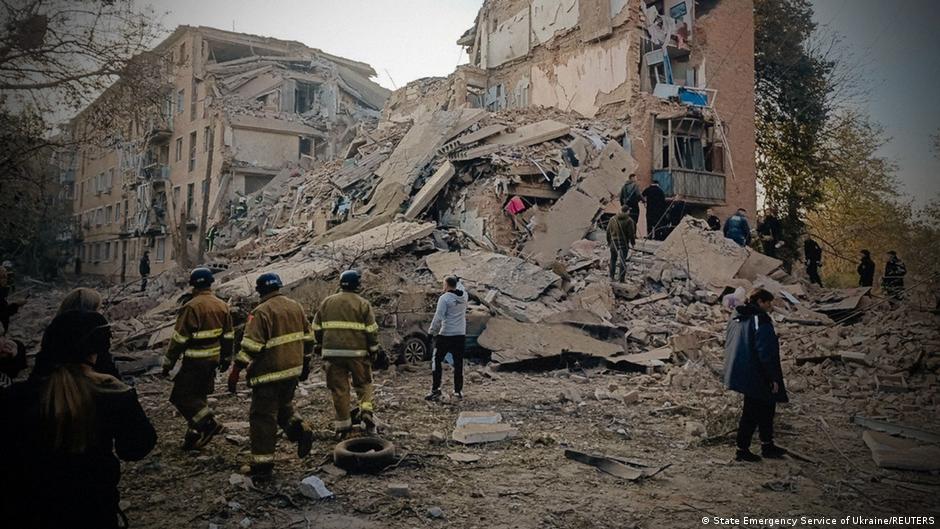
Russia’s July 2 strikes across multiple Ukrainian regions caused civilian deaths and injuries, highlighting the war's ongoing humanitarian and economic toll.

Belarus advises citizens against traveling to Russia's border regions due to security threats from drone strikes amid the ongoing Ukraine war, impacting cross-border mobility and regional stability.

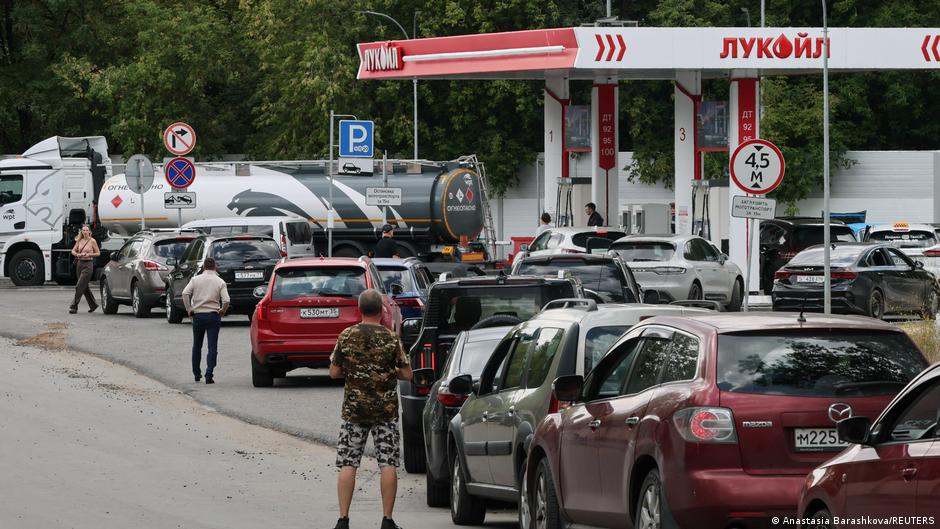
Russia permits continued use of higher-sulfur Euro-3 fuels domestically until 2026 amid refining disruptions, excluding exports to EAEU countries, signaling a shift in energy policy priorities.
Two German businessmen admitted to violating EU sanctions by shipping machinery components to Russia via front companies in Kyrgyzstan and Turkey, raising concerns about enforcement challenges.

Russia reduced drone and missile strikes on Ukraine in June compared to May, possibly reflecting logistical challenges or strategic shifts amid intensified Ukrainian counterattacks.

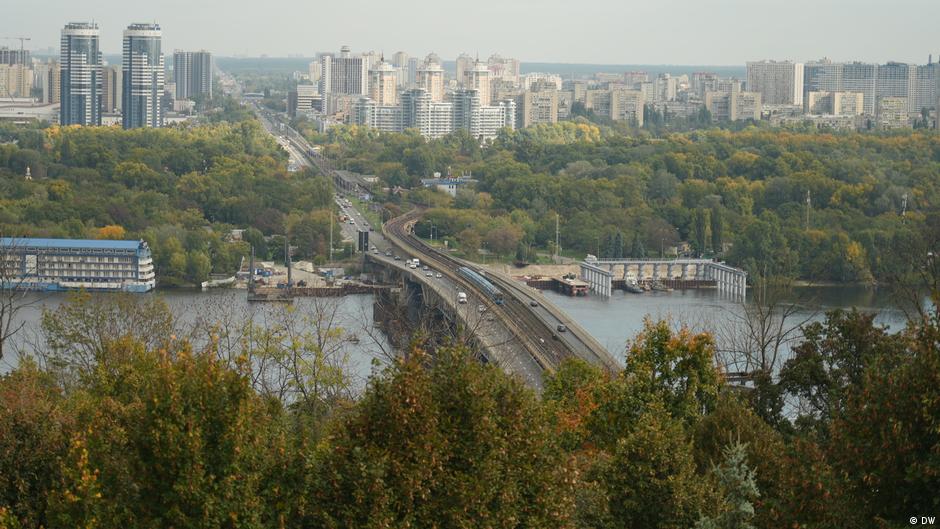
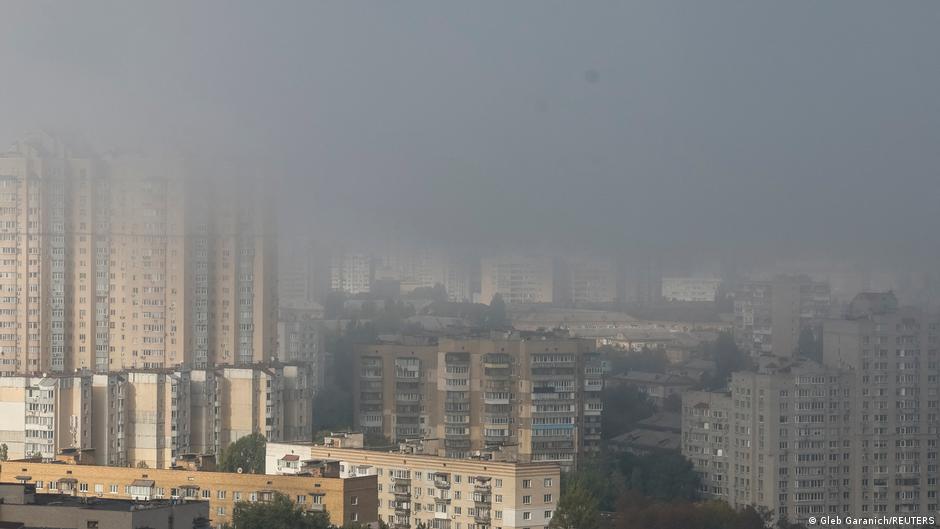
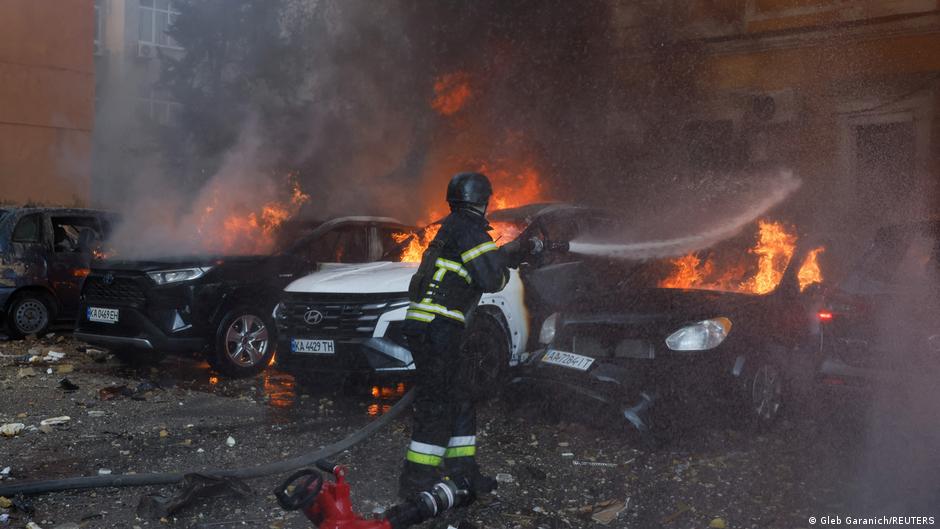
Russian missile and drone strikes on Kyiv caused civilian casualties and infrastructure damage, raising concerns about Ukraine's economic stability and regional security.

France joins Italy, Spain, and Hungary in tightening visa rules for Russian citizens, signaling a coordinated EU response with significant economic and geopolitical consequences.

The US has extended a temporary license allowing Serbian oil company NIS to operate under sanctions while Gazprom's stake sale deadline is repeatedly postponed.

The EU reduces duty-free steel import quotas by 47%, imposing a 50% tariff on excess imports to protect its steel industry from cheap global steel surpluses.

Poland expelled 11 individuals accused of organizing Russia-funded protests among Ukrainian refugees, highlighting ongoing Russian interference in European domestic affairs.

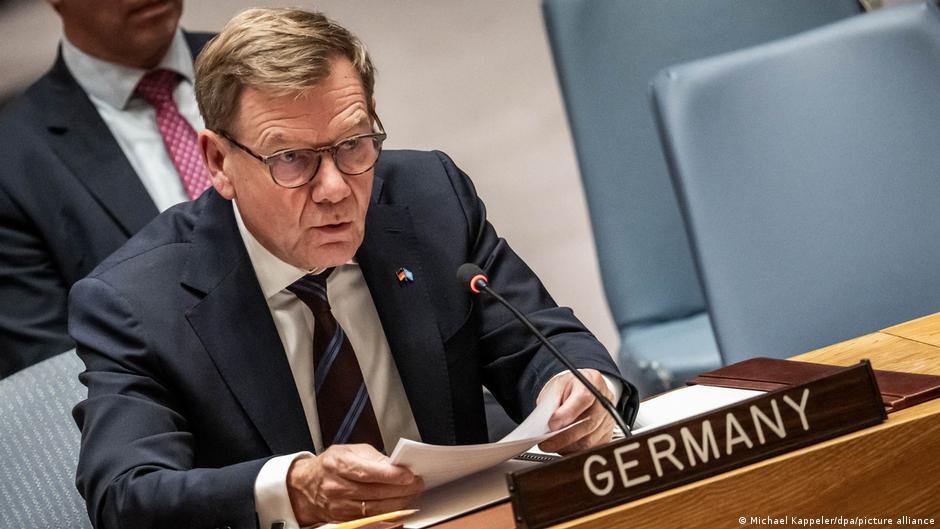
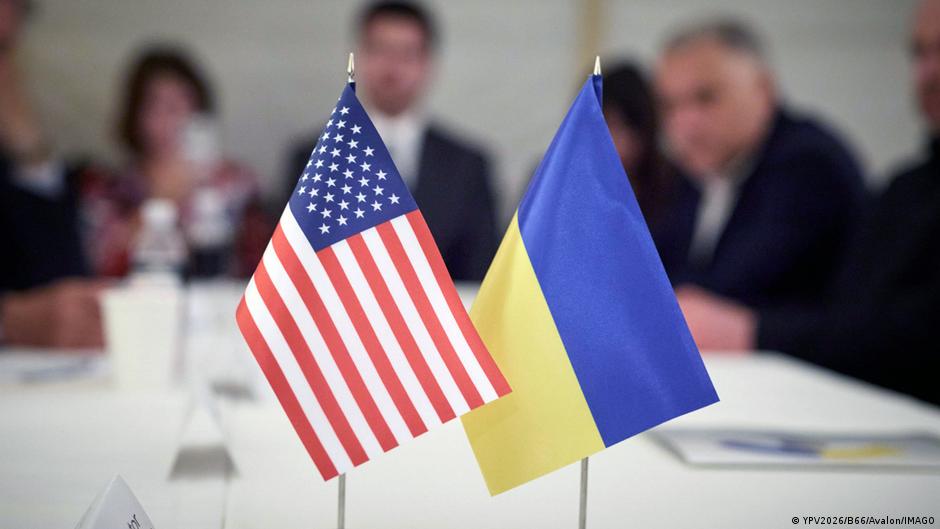
German and US foreign ministers reaffirmed their indispensable partnership amid global economic instability and discussed NATO burden-sharing and support for Ukraine.

Yulia Navalnaya receives Bavaria’s European Prize for her resilient opposition to Russia’s authoritarian regime and her advocacy for human rights and democracy.

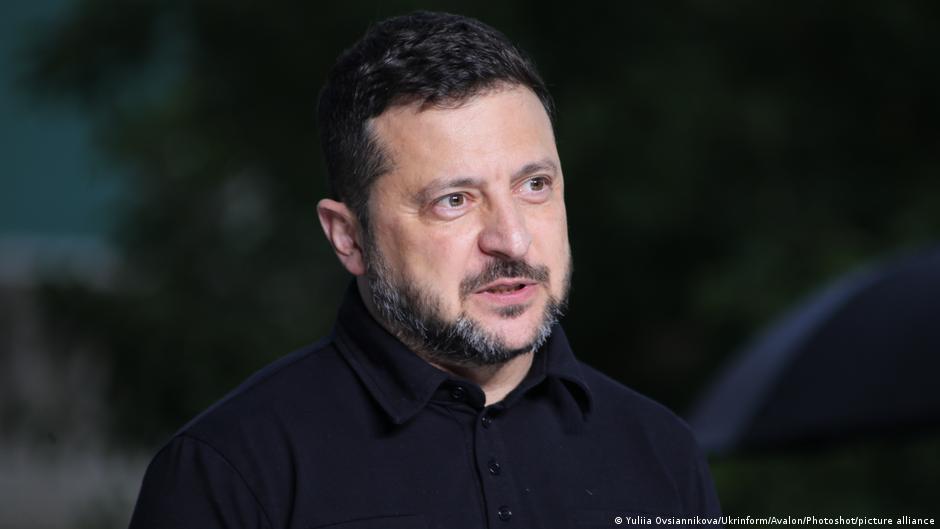
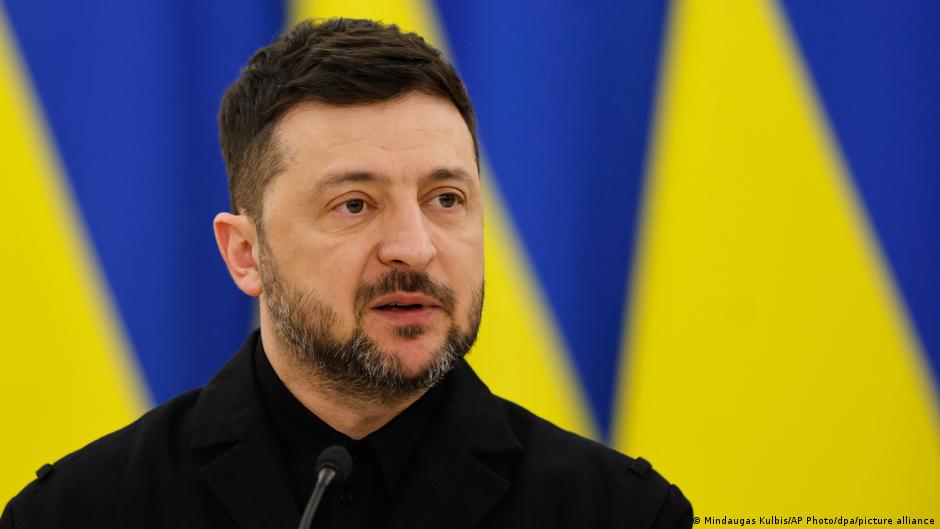
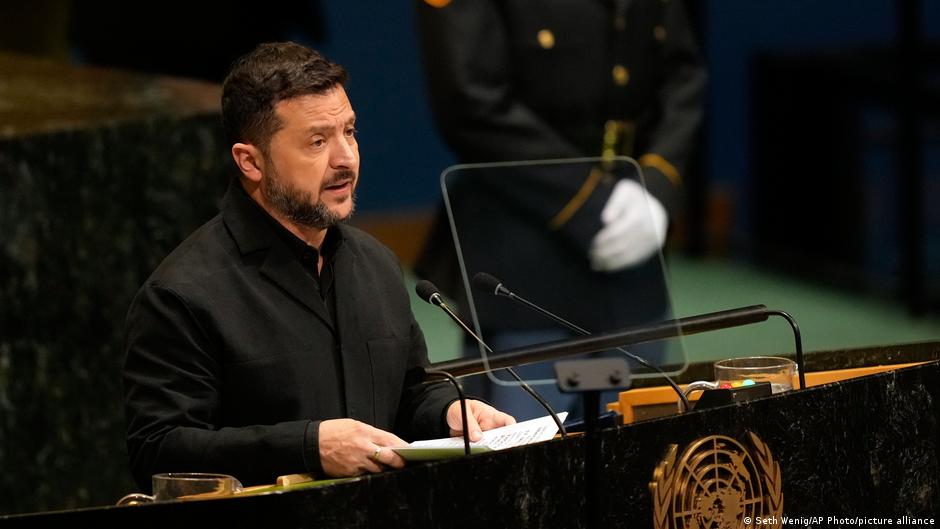
Ukraine’s Zelensky proposes a National Pantheon and new European Order amid diplomatic tensions with Poland, reflecting complex dynamics in national identity and EU integration.

The US and Iran have agreed on a temporary ceasefire until June 30 to discuss reopening the strategically vital Strait of Hormuz, impacting global energy markets and regional security.

Graz, Austria’s second-largest city, reaffirms communist leadership focused on housing policies, highlighting contrasting urban and national political-economic dynamics.

Poland's opposition leader Kaczyński calls to block Ukraine’s EU accession talks amid rising bilateral tensions and divergent historical narratives, raising broader European economic and political concerns.

US forces struck Iranian military sites following attacks on commercial vessels in the Strait of Hormuz, heightening geopolitical risks to global energy supply and economic stability.

Russian ballistic missile attacks on Kyiv and multiple Ukrainian regions escalate conflict, threatening regional stability and global economic stability.

Russia's aviation fuel imports from Belarus surged nearly fourfold in May 2026 amid domestic production setbacks, prompting policy shifts and regional supply realignments.
US and Iran exchanged military strikes after Iran attacked a commercial vessel in the Strait of Hormuz, escalating tensions that threaten global oil supply chains and economic stability.

Finland amends its atomic energy law to lift the ban on nuclear weapons import, aligning with NATO membership and reshaping regional security dynamics.


Russia closes Romania’s consulate in St. Petersburg after Bucharest shut the Russian consulate in Constanța following a drone incident in Galați, raising regional security concerns.

France and Italy express reservations about the EU's proposed ban on Russian combatants' entry, fearing broader travel restrictions and enforcement challenges amid new sanctions.

PACE adopts a resolution condemning democratic backsliding in Georgia, urging cessation of opposition repression and highlighting risks to regional stability and economic governance.

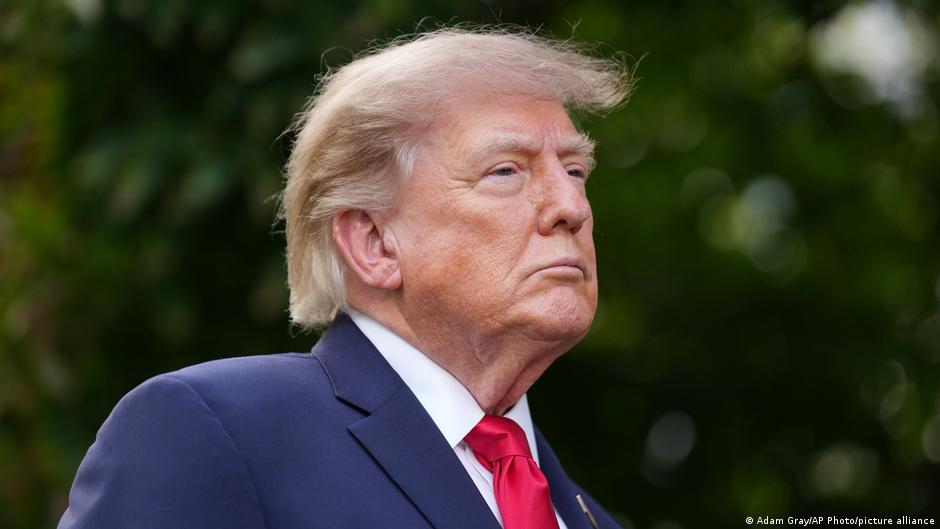
Trump praises Zelensky's resilience in the Russia-Ukraine war and criticizes European allies, reflecting shifting diplomatic dynamics with far-reaching economic and geopolitical implications.

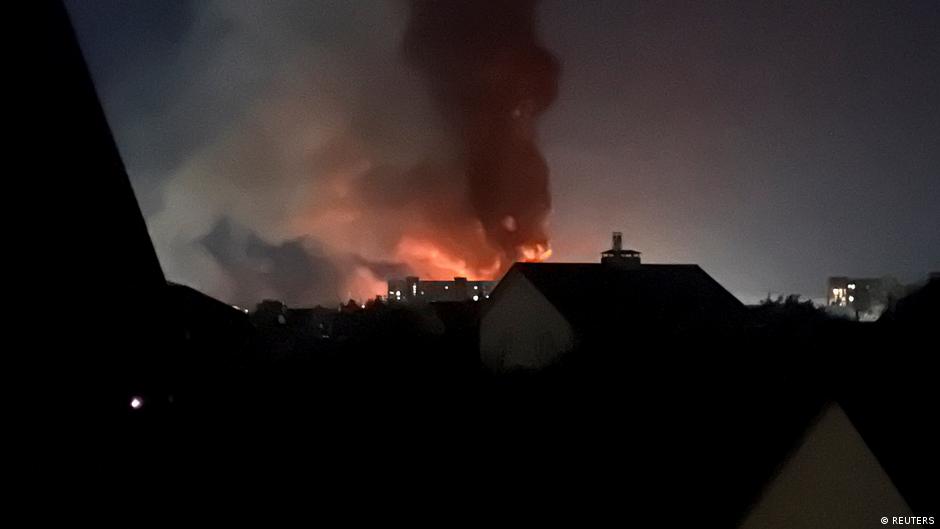
Drone attacks caused fires at the Poltava oil depot near Krasnodar and struck key energy infrastructure in Crimea, highlighting growing risks to regional energy security amidst escalating conflict.

The U.S. Senate passed a non-binding resolution urging troop withdrawal from Iran conflict zones, reflecting growing concerns amid ongoing peace negotiations and regional instability.

Russia has reached its highest weekly maritime oil export levels since early 2026, despite falling global prices and renewed competition from Iranian crude following US-Iran diplomatic progress.

The US has imposed sanctions on five Cuban state-owned companies controlling 40% of GDP, escalating economic pressure with significant regional and global implications.

Belgium issued one-day visas to five Taliban representatives for EU talks on Afghan deportations, spotlighting the EU's complex migration and security challenges.

Ukraine’s drone strikes on Russian refineries have forced Russia to impose fuel sales limits in 53 regions, signaling major disruptions in its oil sector with global economic impact.

Russian strikes on Zaporizhzhia and Kharkiv have caused civilian injuries and infrastructure damage, intensifying regional instability and raising significant humanitarian and economic concerns.

Right-wing businessman Abelardo de la Espriella narrowly won Colombia’s presidency, signaling a shift toward militarized security and economic deregulation with significant regional ramifications.

The US and Iran have agreed on a communication channel to prevent incidents in the Strait of Hormuz, setting a 60-day roadmap to finalize broader agreements impacting regional security and global energy markets.

Russian strikes on civilian and agricultural sites in Ukraine escalate conflict, prompting Kyiv to secure German air defense missiles amid rising regional economic risks.

The US threatens to impose fees for passage through the Strait of Hormuz if Iran deal fails, highlighting risks to global oil supply and maritime security.

Germany urges the EU and Turkey to exclude Russian gas in future contracts, reflecting a strategic shift as Turkey seeks to become a regional gas hub amid evolving geopolitical tensions.

Ukrainian drone attacks on Crimean ports and energy facilities highlight rising regional tensions and risks to energy logistics and economic stability.

Italy’s Foreign Minister cancels US visit following offensive remarks by Donald Trump about Prime Minister Meloni, highlighting tensions in transatlantic relations and potential impacts on economic cooperation.

U.S. intelligence warns Israel may attempt to undermine the U.S.-Iran nuclear deal, risking increased Middle East instability and complicating global economic and policy landscapes.

US envoy Stephen Witkoff travels to Switzerland for nuclear talks with Iran, delayed by Lebanon conflict, with major economic stakes tied to ceasefire and sanctions relief.

Bulgaria plans to veto new EU sanctions on Russia, citing risks to its economy and questioning their impact on peace efforts, highlighting divisions within the EU on sanction policy.

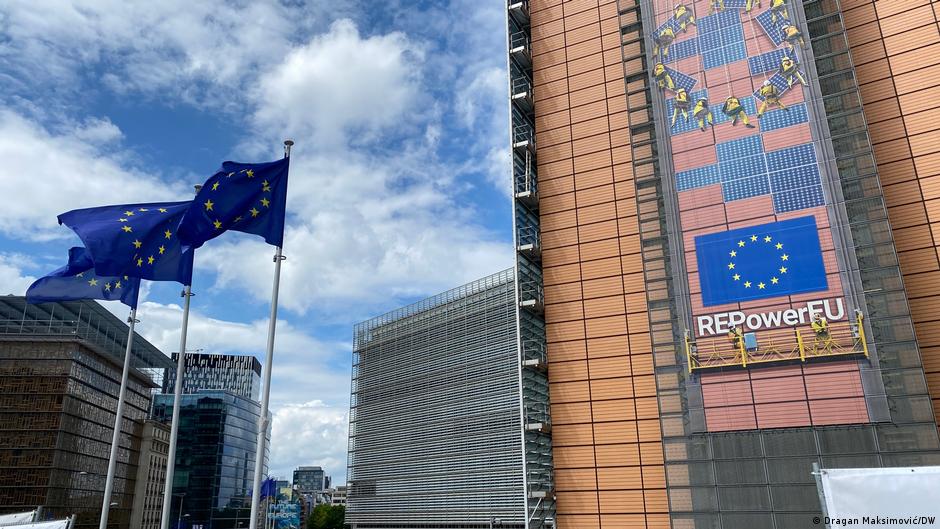
The EU has agreed to extend sanctions on Russia to one year, reflecting a strategic shift enabled by political changes in Hungary and signaling intensified economic pressure on Moscow.