Around 100 Detained at Russian Music Festival over Pro-Ukraine Songs and Regime Criticism
Russian authorities detained about 100 participants at an informal music festival near Vyborg for pro-Ukraine expressions and calls to change the regime.
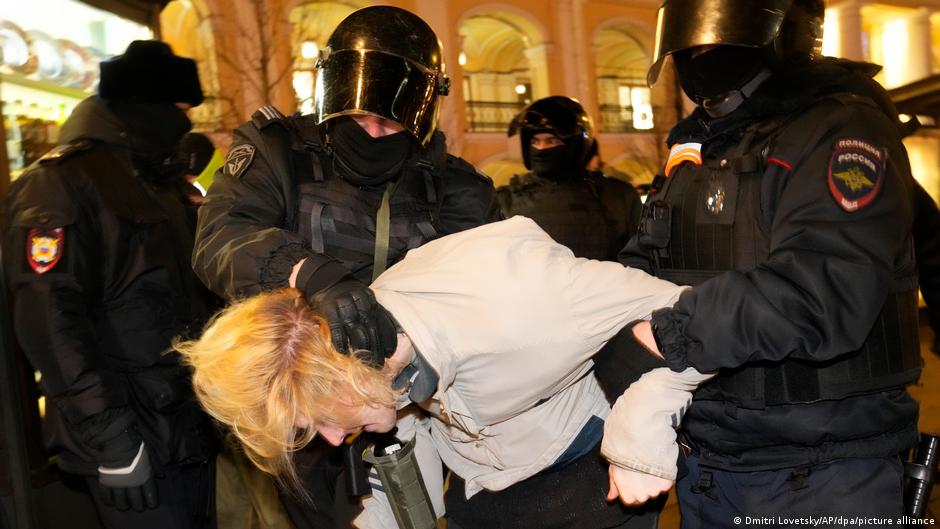
Russian law enforcement conducted a large-scale raid on an informal music festival held near Vyborg, close to the Finnish border, detaining approximately 100 people. The authorities accused attendees of performing songs supporting Ukraine, calling for regime change in Russia, and widespread drug use.
Security Operation and Allegations
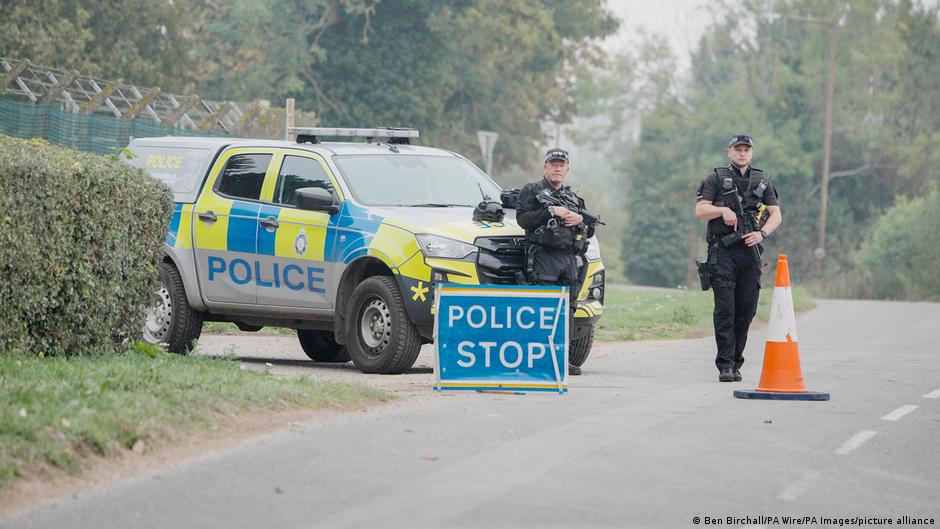
According to state news agencies, the police and special forces surrounded the wooded area where the festival took place, executing a comprehensive operation. The event, described by police sources as “left-radical,” has been held regularly since 2023 but its exact location is kept secret and disclosed only to selected participants shortly before the start.
Authorities reported that homemade stages displayed posters with Ukrainian symbols, which was cited as part of the justification for the crackdown. Participants’ drones used for filming were confiscated, and law enforcement is currently considering the initiation of criminal proceedings.
“The festival, known unofficially as ‘Unhealthy Lifestyle’ (НОЖ), has become a target due to its promotion of political dissent and pro-Ukraine sentiment,” said a police source.
Footage from the scene showed mostly young attendees being forced face down on the ground with their hands behind their heads. Some were coerced on camera to admit to drug use, furthering the authorities’ narrative.
Macro-Economic and Political Implications
This state action underscores a broader tendency in Russia to suppress dissent and control narratives amid ongoing geopolitical tensions, particularly regarding Ukraine. The event’s proximity to the Finnish border also highlights security concerns in border regions amid growing international scrutiny.
The crackdown on cultural expressions at informal gatherings signals increased restrictions on civil liberties, which could have significant economic consequences. For foreign investors and international partners, such moves potentially indicate a tightening political environment that may deter economic engagement and exacerbate capital flight risks.
Furthermore, the emphasis on regime stability at the expense of social freedoms points to a strategic prioritization by Russian policymakers, potentially diverting resources from economic development toward security and internal control. This shift may contribute to longer-term economic stagnation and isolation from global markets.
In a global context, these developments may affect Russia’s economic relations with neighboring countries and the West, influencing sanctions regimes and bilateral cooperation frameworks. The suppression of dissent within the cultural sphere can also be read as a barometer of political stability, which is a key consideration for macroeconomic forecasting and risk assessments.