Russian Attacks in Ukraine Result in Civilian Casualties and Infrastructure Damage
Sustained Russian military strikes across multiple Ukrainian regions cause deaths, injuries, and disrupt critical infrastructure.
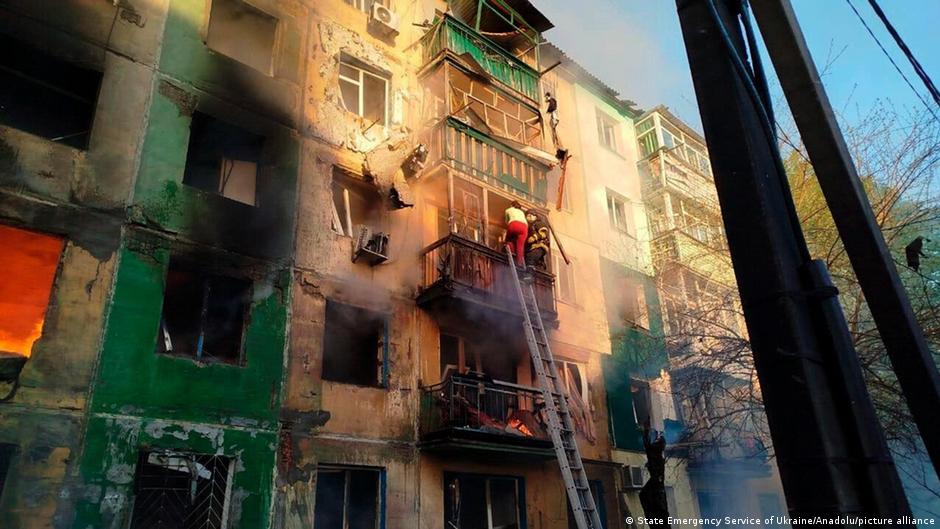
On 8 August, Russian armed forces launched a series of attacks across various regions of Ukraine, resulting in multiple civilian casualties and significant damage to infrastructure. Local officials reported fatalities in the Dnipropetrovsk and Kharkiv regions, with injuries including several children, underscoring the ongoing humanitarian toll amidst the conflict.
Widespread Impact Across Affected Regions
In Dnipropetrovsk region, two people lost their lives and two others were wounded amid over 40 attacks targeting four districts. The assaults involved the use of drones, artillery, and aerial bombs, damaging public facilities such as medical clinics, administrative buildings, commercial outlets, as well as private homes. Transportation assets including a bus and a truck were destroyed.
“More than 40 times the enemy attacked four districts of the region using drones, artillery, and air bombs,” stated the regional military administration head, highlighting the intensity of the attacks.
The city of Pavlohrad suffered particularly heavy strikes, leaving nine injured, including four children aged between three months and six years. Medical services promptly provided care, with two adults hospitalized and one elderly woman reported in serious condition.
In Kharkiv region, two civilian deaths were confirmed, including that of a 68-year-old man from a drone strike in Kupiansk district and a 51-year-old man from a separate drone attack in Chuhuiv district. Additional damage was inflicted on a city cemetery in Kharkiv, where graves and a gas pipeline were affected, though no injuries were reported.
The town of Izium also experienced damage when a Russian guided aerial bomb hit residential buildings, injuring five individuals ranging in age from 18 to 87 years old and damaging multiple apartments and vehicles.
Further north, in Sumy region, Russian drone strikes targeted railway infrastructure, damaging a locomotive on the Sumy-Kyiv line. Passengers were evacuated safely with no casualties, though one train car sustained damage. Firefighting efforts to control resulting fires were repeatedly delayed due to the threat of renewed strikes.
Broader Economic and Policy Implications
The ongoing intensity and geographic breadth of Russian strikes reflect a sustained strategy to degrade Ukrainian civilian infrastructure and transportation networks. Such disruptions not only exacerbate humanitarian suffering but also have wider macroeconomic consequences, threatening supply chains and regional economic stability.
Repeated damage to critical infrastructure risks undermining investor confidence and complicates reconstruction and development efforts required for Ukraine’s economic recovery. Moreover, the continued targeting of civilian areas could influence international policy debates regarding security assistance and sanctions regimes, potentially reshaping global economic alignments and aid flows.
As the conflict persists, senior policymakers must consider the long-term economic fallout alongside immediate humanitarian needs, balancing support for Ukraine with strategies to mitigate broader regional economic disruption.