Qatar Denies Detaining Iranian Pilots Amid Middle East Conflict Escalation
Qatar refutes claims of holding Iranian pilots and emphasizes diplomatic efforts to ease regional tensions during ongoing Middle East hostilities.
Qatar has firmly rejected allegations that it is detaining three Iranian pilots following an airspace violation amidst the ongoing conflict in the Middle East. The dispute arises amid heightened tensions and diplomatic maneuvers aimed at de-escalating the regional crisis.
Diplomatic Context and Incident Details
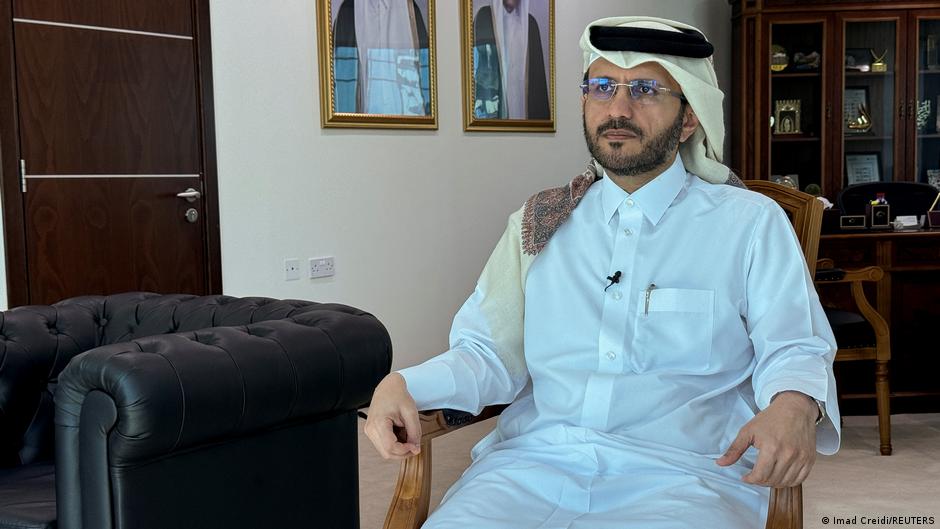
The Qatari Ministry of Foreign Affairs, through spokesperson Majid bin Mohammed Al-Ansari, expressed surprise over what it termed "misleading statements" regarding the alleged detainment. Qatar underscored that these allegations emerge at a sensitive time when diplomatic efforts are actively underway to reduce tensions in the region.
According to Al-Ansari, Qatar established contact with the pilots after confirming their incursion into Qatari airspace, taking necessary measures to protect its sovereign territory in accordance with international law. Qatar also communicated its findings and actions through official diplomatic channels.
Search and rescue teams from Qatar fulfilled their operational duties by locating the remains of the pilots. Furthermore, Qatar claims to have coordinated with Iranian authorities concerning the transfer of one pilot's remains. In April, Qatar invited an Iranian delegation to inspect the search and rescue operations firsthand, though Iran has yet to respond.
Contrasting Iranian Claims and Regional Implications
Contrary to Qatar's statements, Iranian officials have accused Doha of detaining the three pilots since the onset of the conflict. The Iranian military's General Staff search committee head, Mohammad Bagerzadeh, asserted in correspondence addressed to the International Committee of the Red Cross that the pilots—Javad Salehi, Abdolmajid Dashtiyan, and Omran Behroozian—have been held captive for six months without access to family or communication.
Earlier Iranian reports indicated one pilot was killed and two missing after their Su-24 aircraft were downed. However, the claim of their detention emerged only recently, fueling diplomatic discord. This divergence in narratives highlights the opaque nature of information warfare amid the broader conflict.
"Qatar is surprised by misleading statements arising during ongoing diplomatic efforts aimed at lowering regional tensions," said Majid bin Mohammed Al-Ansari.
In March, Qatar's Ministry of Defense announced on social media that its air forces had successfully shot down two Su-24 bombers originating from Iran, alongside intercepting ballistic missiles and drones targeting Qatari territory. It remains unclear whether these aircraft correspond to those referenced by Iranian authorities.
These events are set against the backdrop of a tentative June framework agreement between the United States and Iran, designed to halt hostilities and lift the blockade of the strategically vital Strait of Hormuz. Nevertheless, subsequent Iranian drone attacks on a civilian tanker and retaliatory U.S. strikes have undermined this fragile détente.
Qatar has also reported missile and drone attacks following the collapse of a ceasefire, including assaults on its territory and maritime assets traversing the Strait of Hormuz. These developments underscore the volatile security environment in a region critical to global energy supplies and international trade routes.
Macro-Economic and Policy Implications
The conflicting claims regarding the fate of Iranian pilots exemplify the broader challenges facing regional diplomacy and security coordination. For senior policymakers and economic strategists, the ongoing instability threatens to disrupt global energy markets, particularly through the potential closure or threat to the Strait of Hormuz—a chokepoint for a significant proportion of the world's oil shipments.
Effective conflict resolution and transparent, verifiable communication between regional actors are essential to restoring stability. The international community’s ability to facilitate dialogue and ensure compliance with agreements will have long-term consequences for economic confidence, investment flows, and supply chain security in the energy sector.
As Qatar positions itself as both a defender of its sovereignty and a mediator seeking to reduce tensions, its role will be closely watched by global economic stakeholders wary of further escalation. The unfolding situation illustrates how military incidents can rapidly generate diplomatic crises with ramifications extending well beyond immediate regional confines.