Central Election Commission Chief Advocates Stripping Voting Rights of Emigrated Russians
Ella Pamfilova proposes denying voting rights to Russians who left the country, signaling potential shifts in electoral policy with global economic consequences.
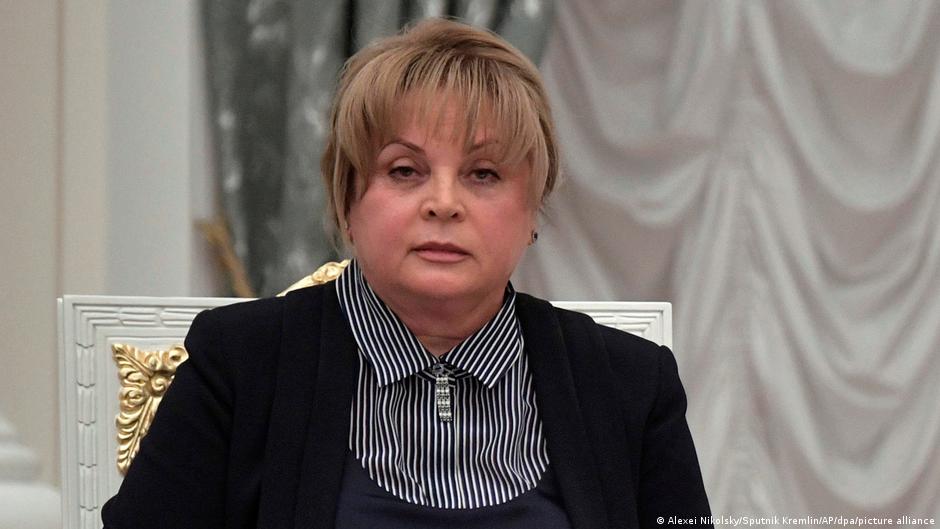
Ella Pamfilova, head of Russia’s Central Election Commission (CEC), has publicly voiced her position that Russians who have emigrated from the country should be stripped of their right to vote in national elections. This stance reflects a growing tightening of electoral policies by Russian authorities amid mounting geopolitical tensions and internal political recalibrations.
Implications for Russian Diaspora and Electoral Policy
In a recent interview, Pamfilova remarked, "I believe that if you left the country, you betrayed it — then leave." She underscored that decisions about future voting rights of so-called "foreign agents"—a category encompassing Russians living abroad labeled with this status—will ultimately be determined by the newly elected State Duma deputies. Her comments hint at a potential legislative overhaul that could further marginalize expatriate citizens from participating in Russia’s political processes.
The term "foreign agents" in Russia refers to individuals or organizations receiving foreign funding and is associated with increased scrutiny and restrictions. Since its inception in 2012 targeting NGOs, the registry has expanded to include media outlets and private individuals, with escalating enforcement measures such as required labeling of publications, mandatory reporting, fines, and criminal penalties for violations. This framework serves not only as a domestic control mechanism but also shapes Russia's international posture concerning its diaspora.
"We have given numerous possibilities to minimize risks," Pamfilova stated regarding coordination with Russian diplomats and the Ministry of Foreign Affairs in "unfriendly" states where many emigrants have relocated.
Specifically, the CEC has recommended that Russian ambassadors in countries designated as "unfriendly" by Moscow seek assurances from local authorities regarding election safety. This move underscores the Kremlin’s concerns over the political activities of expatriates, particularly in states that have adopted adverse policies toward Russia amid ongoing geopolitical conflicts.
Pamfilova emphasized that Russian law enforcement possesses adequate means and expertise to comprehensively identify individuals who might be disenfranchised under emerging criteria, linking voting rights restrictions explicitly to the "foreign agent" status. Such policies could signal a long-term strategy to consolidate domestic control while diminishing potential external influence on Russia’s political landscape.
Broader Economic and Global Ramifications
The proposed disenfranchisement of emigrated Russians coincides with broader systemic shifts in Russia’s governance model, reflecting a tightening of political freedoms that may have significant macroeconomic and geopolitical repercussions. Restricting the political participation of the diaspora risks alienating highly skilled emigrants and could exacerbate brain drain, undermining human capital essential for economic innovation and growth.
Moreover, the policy shift may affect Russia’s international relations and its economic engagements with host countries, potentially complicating diplomatic efforts and global economic partnerships. Countries labeled as "unfriendly" have already imposed sanctions and restrictions on Russia, and curtailing expatriates’ political rights may further entrench mutual distrust, impacting trade, investment, and international cooperation.
For senior decision-makers, these developments highlight a critical juncture where domestic political strategies intersect with global economic dynamics and geopolitical stability. The recalibration of voting rights based on allegiance and residence status may serve as a bellwether for Russia’s evolving approach to governance, sovereignty, and its diaspora’s role in shaping the country’s future trajectory.