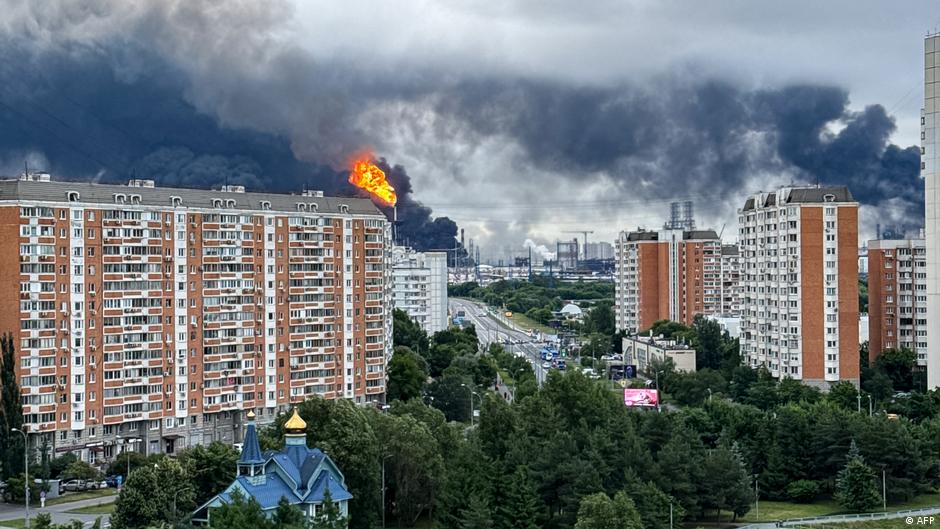
Ukraine Pauses Russian Refinery Strikes as US Election Risks Mount
Ukraine’s reported refinery-strike pause shows how US electoral pressure, fuel prices and dependence on American technology are reshaping wartime strategy.

Ukraine’s reported refinery-strike pause shows how US electoral pressure, fuel prices and dependence on American technology are reshaping wartime strategy.

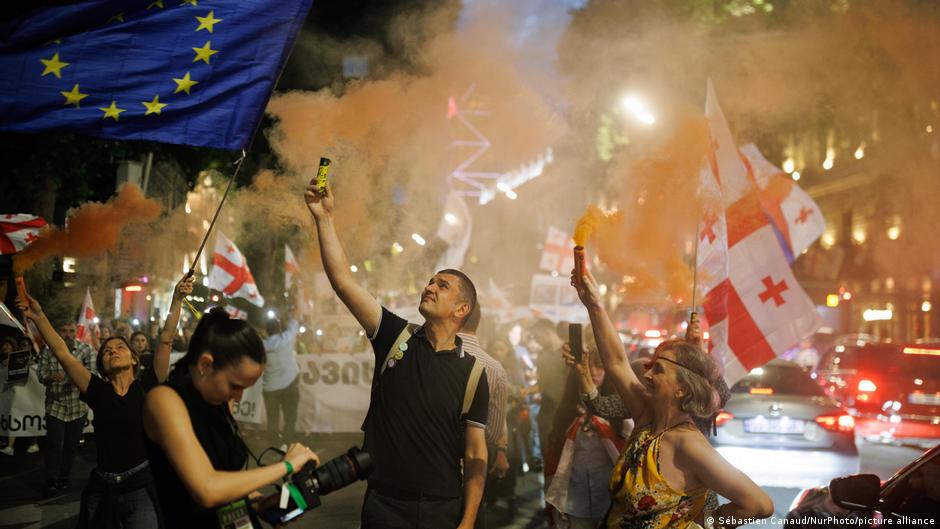
Renewed protests and a possible ban on opposition parties are deepening uncertainty over Georgia’s institutions and European economic trajectory.

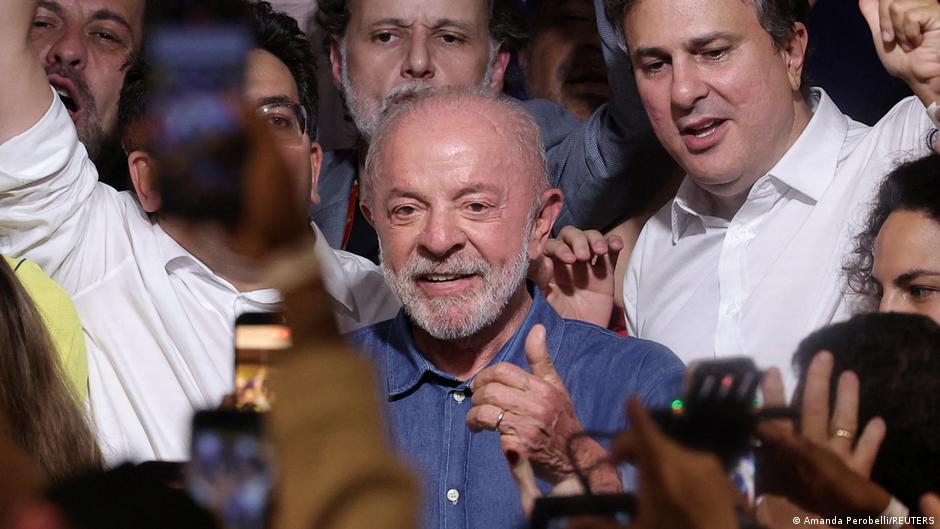
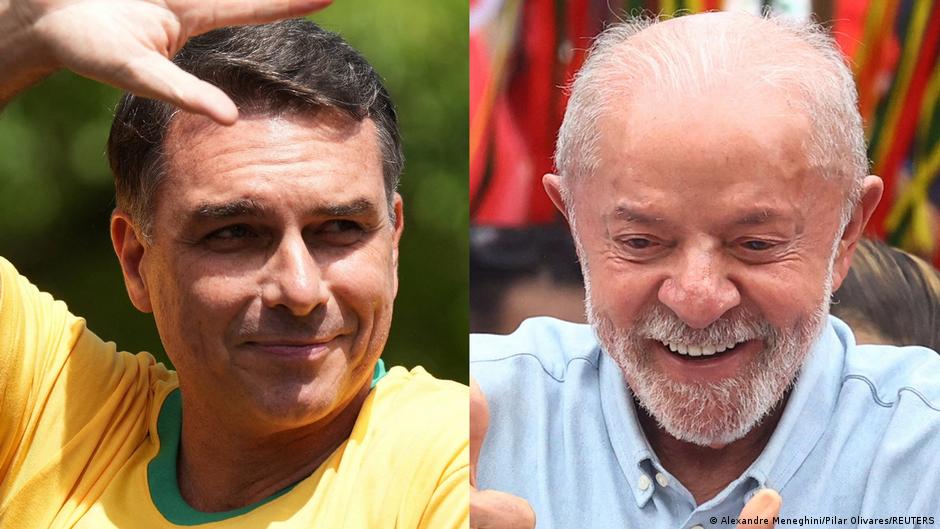
Lula won Brazil’s runoff with 51.8%, but Flávio Bolsonaro’s demand to annul the result adds institutional risk to an already fragile economic outlook.

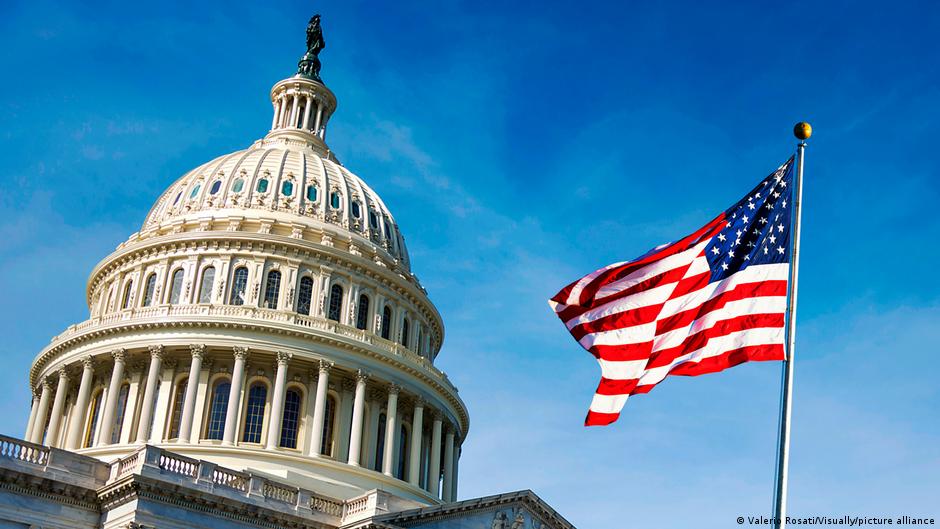
Washington’s reported threat to block a Ukraine arms channel highlights the growing economic stakes of energy infrastructure strikes.

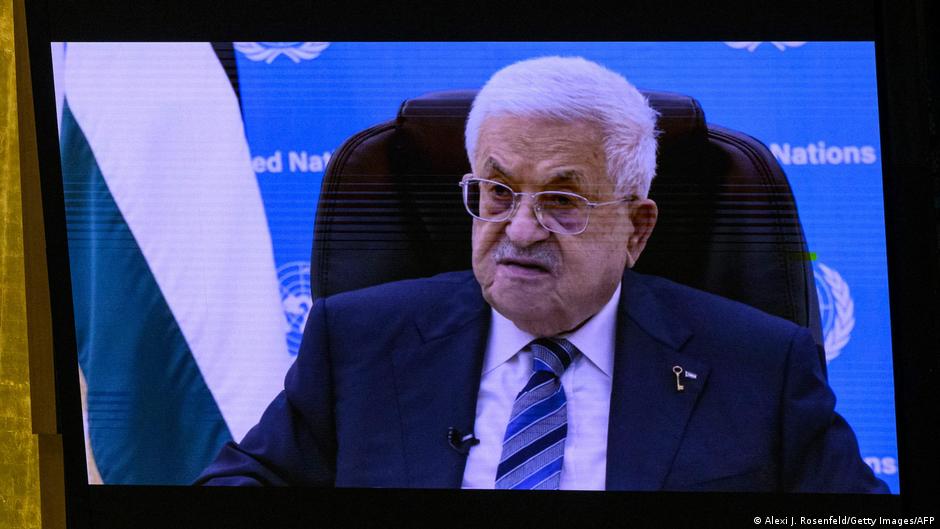
Mahmoud Abbas postponed Palestinian national elections to September 2027, adding governance risk to Gaza’s reconstruction and ceasefire framework.

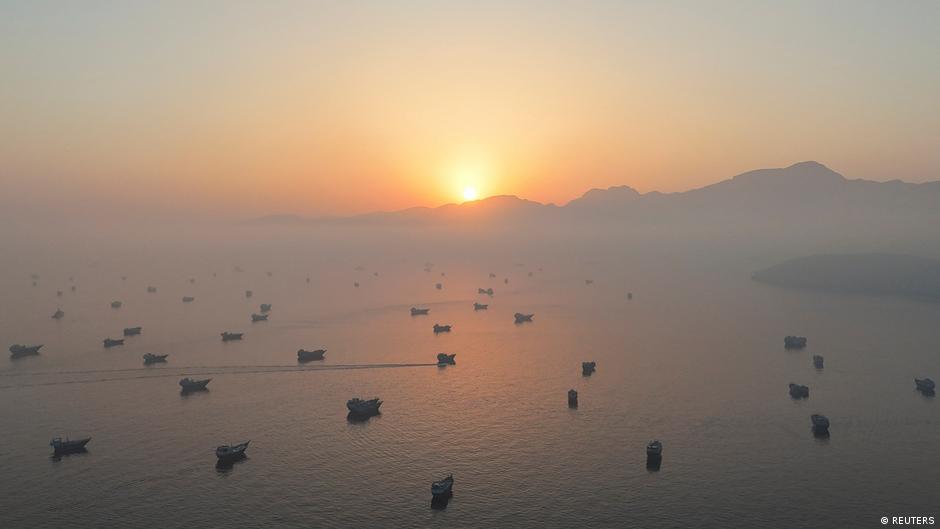
A U.S. strike disabled a Panama-flagged vessel near Iran, highlighting rising energy, trade and policy risks around the Strait of Hormuz.

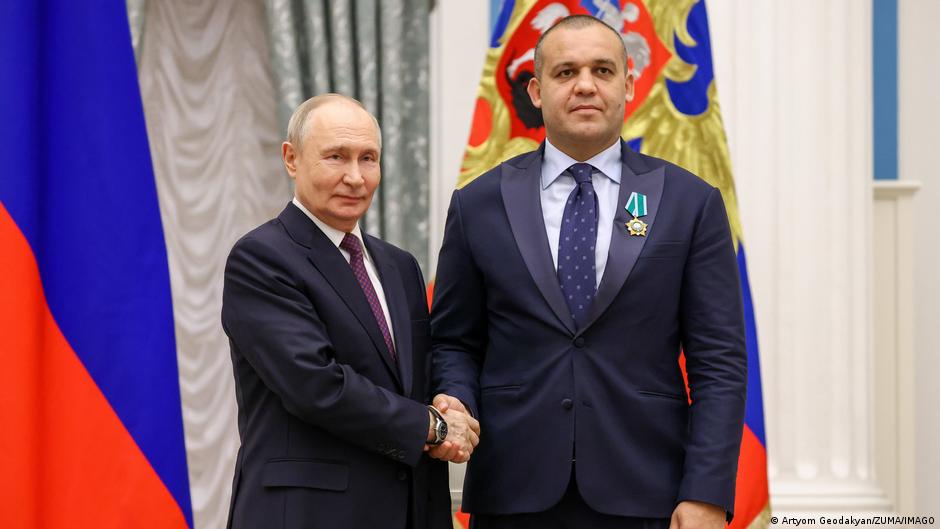
Umar Kremlev says Donald Trump Jr. repaid wedding event costs, intensifying scrutiny over foreign ties, ethics and U.S. policy risk.

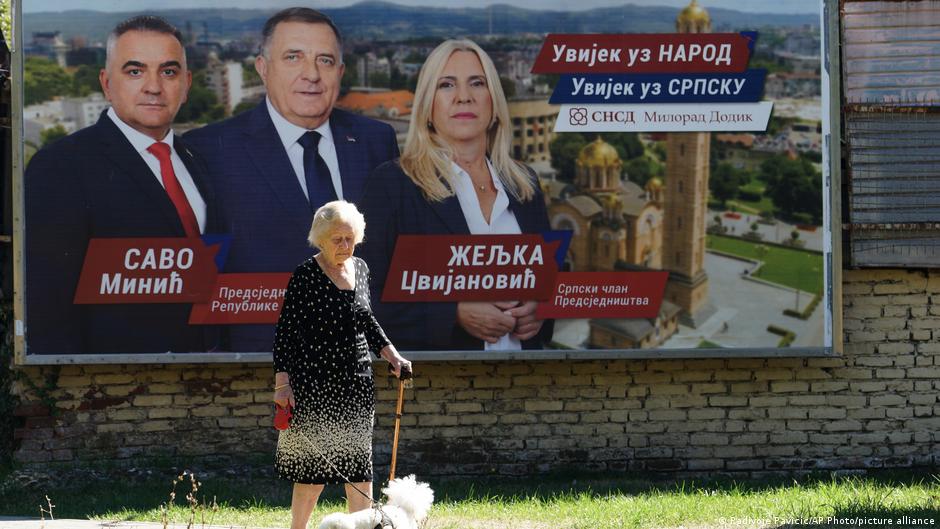
Preliminary results show ruling-party candidates and Dodik allies strengthening their hold across Bosnia and Herzegovina’s institutions.

Brazil’s presidential race goes to an October 25 runoff after Flavio Bolsonaro led Lula da Silva by less than two points in the first round.

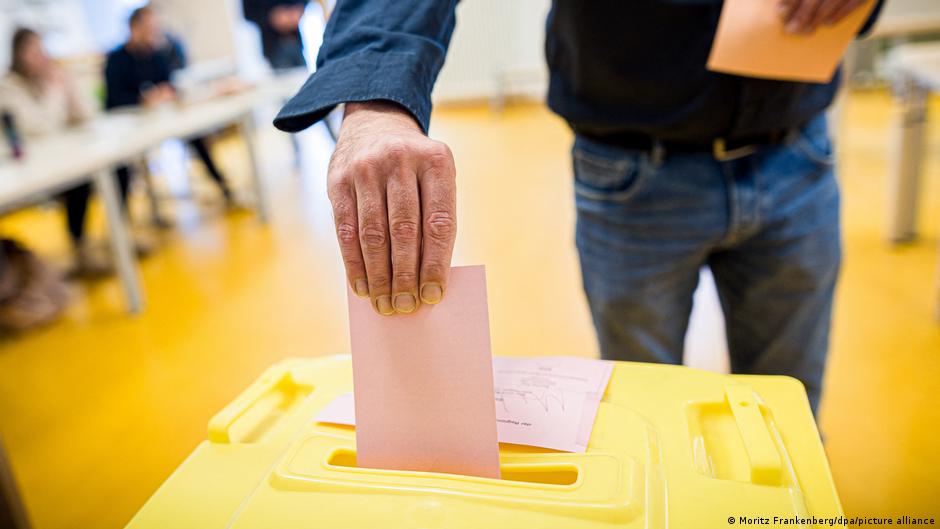
Lower Saxony’s municipal runoffs saw the AfD lose three executive races while Greens held Hanover and gained other urban posts.

Trump expects new Iran talks as Washington rejects Tehran’s Hormuz plan, keeping energy markets and regional escalation risks in focus.

Ukraine sanctioned 44 people linked to Russian Duma voting in occupied regions, as the EU signals readiness for similar measures.

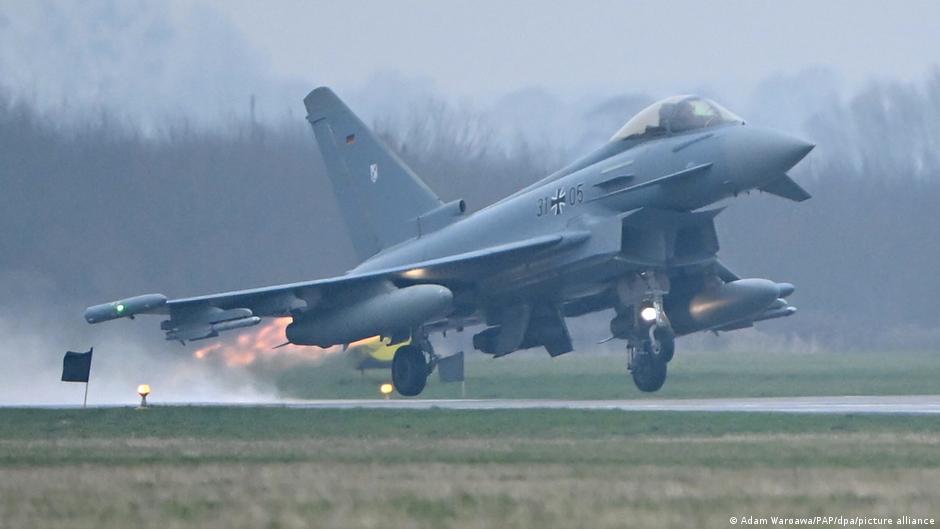
Germany sent four Eurofighters to Latvia for election-period air security, reinforcing NATO’s Baltic deterrence posture amid repeated airspace violations.

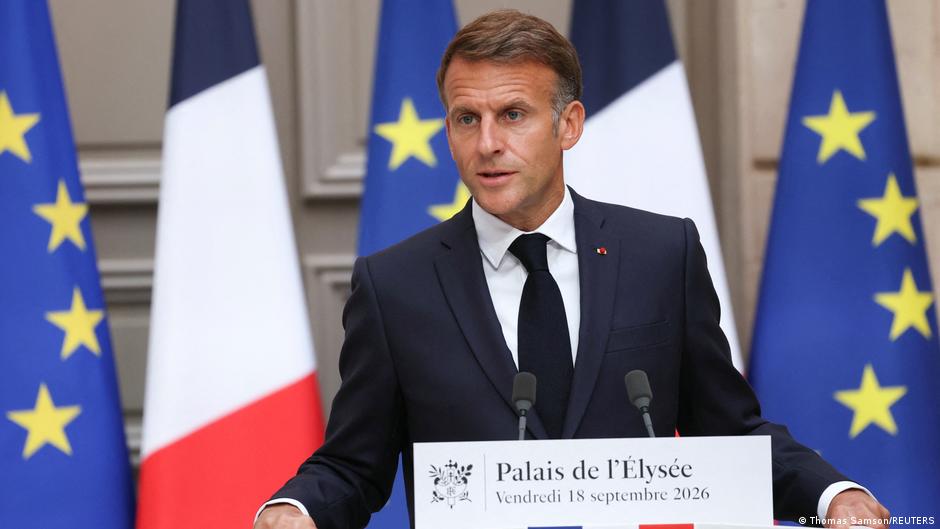
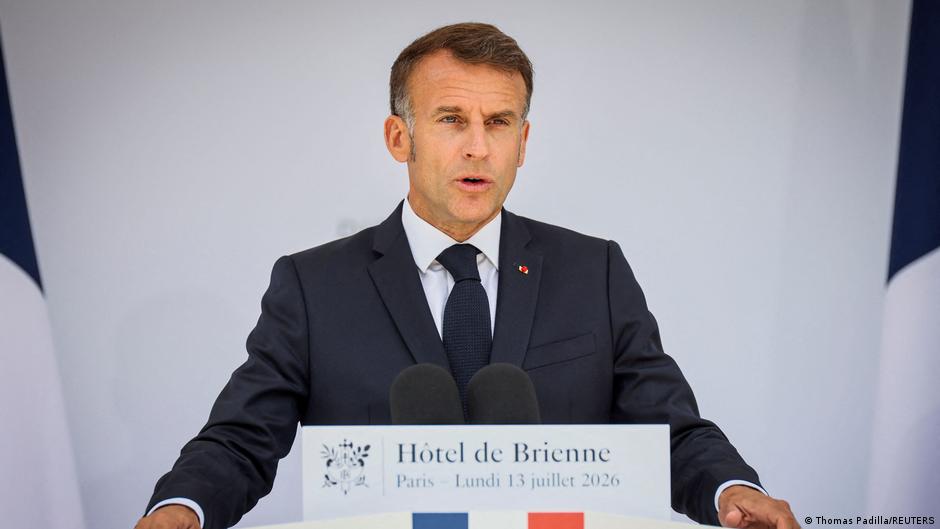
Macron says France sees a Russian mobilization of about 300,000 people as plausible, warning Europe could face wider hybrid pressure.

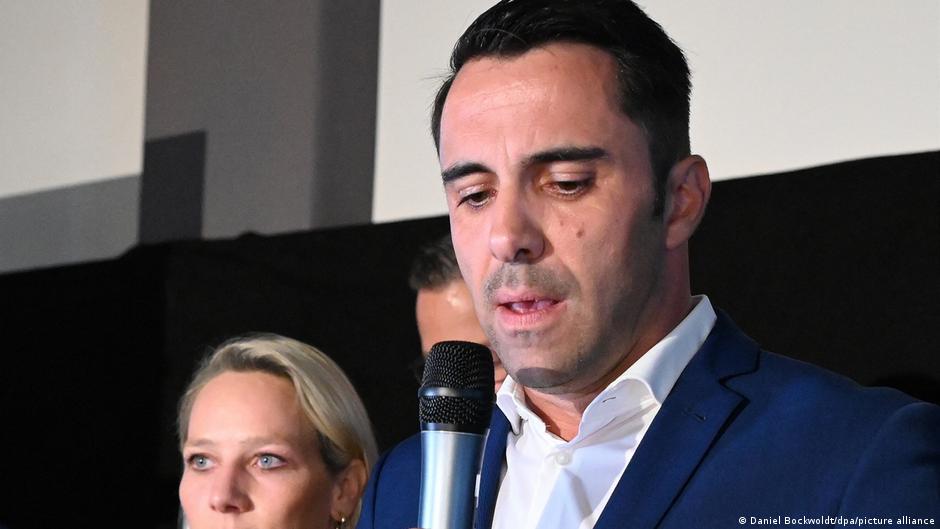
Daniel Peters resigned after the CDU won 4.9 percent in Mecklenburg-Western Pomerania, missing a state parliament for the first time.

The Left Party’s Berlin victory puts housing expropriation and coalition risk at the center of Germany’s capital politics.

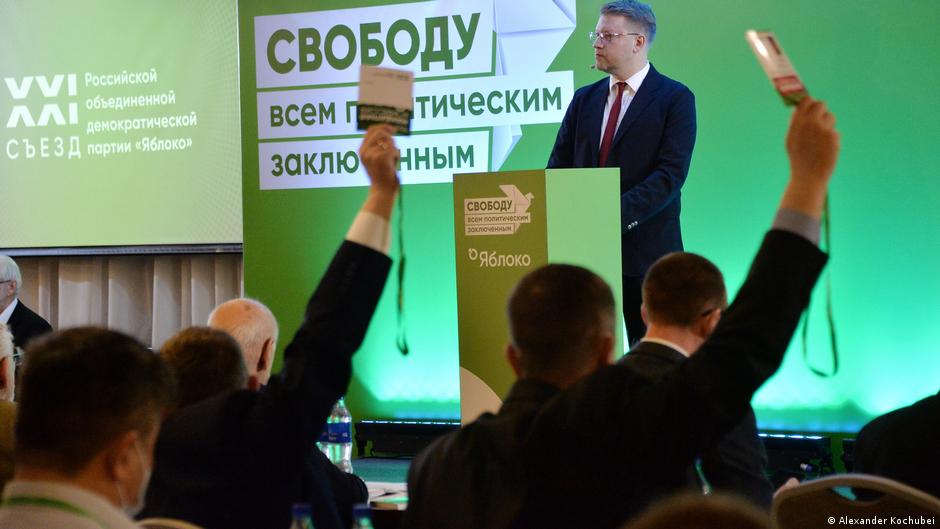
Yabloko’s Novgorod result preserves a formal route into future State Duma elections, with broader implications for Russian political risk.

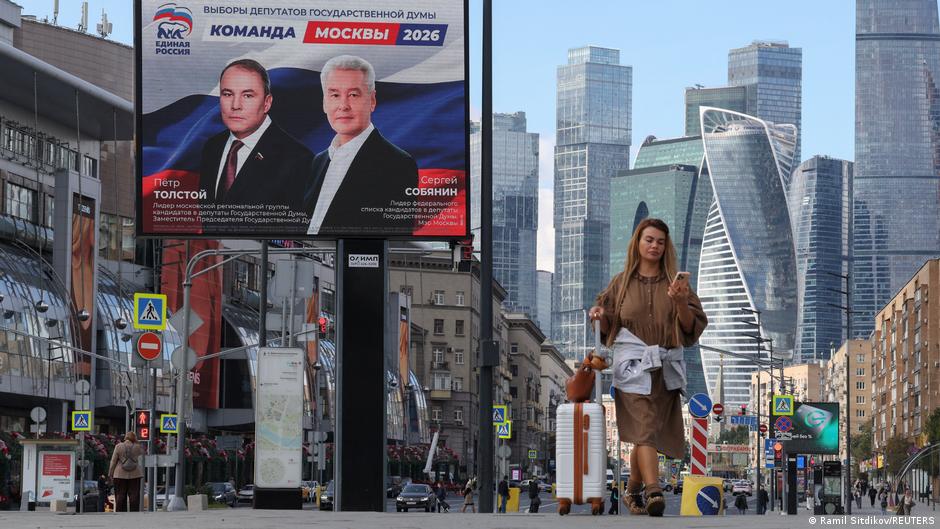
United Russia’s early Duma lead points to a constitutional majority, reinforcing policy continuity and Western sanctions risk.

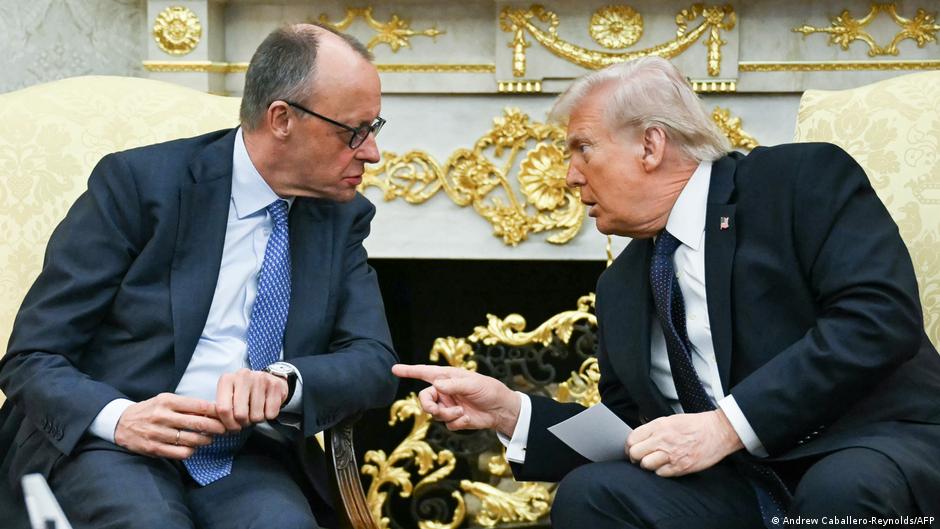
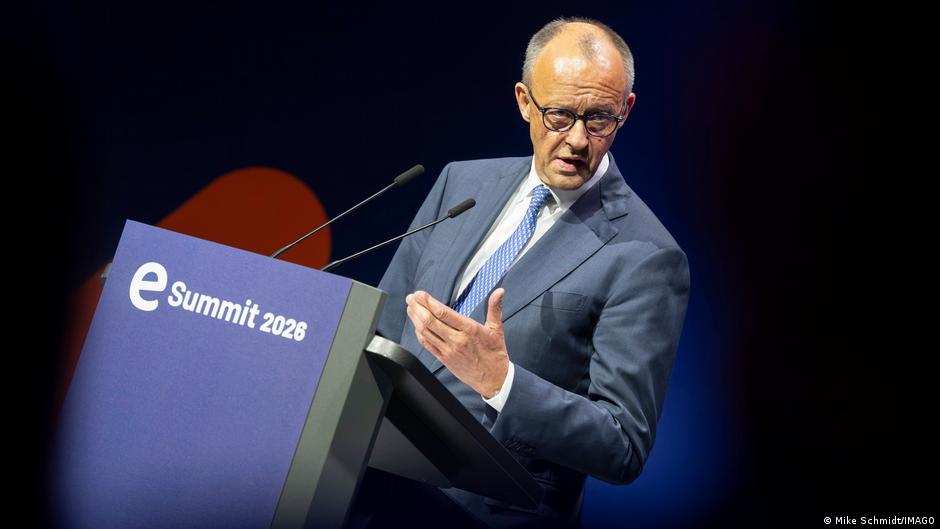
Friedrich Merz says unconditional transatlantic friendship may be over, framing U.S.-German tensions as a strategic test for Germany’s economy.

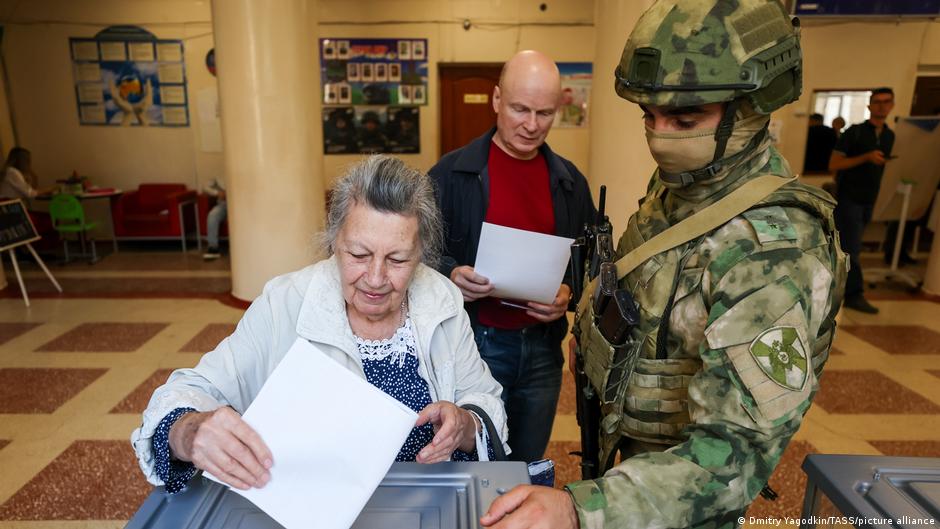
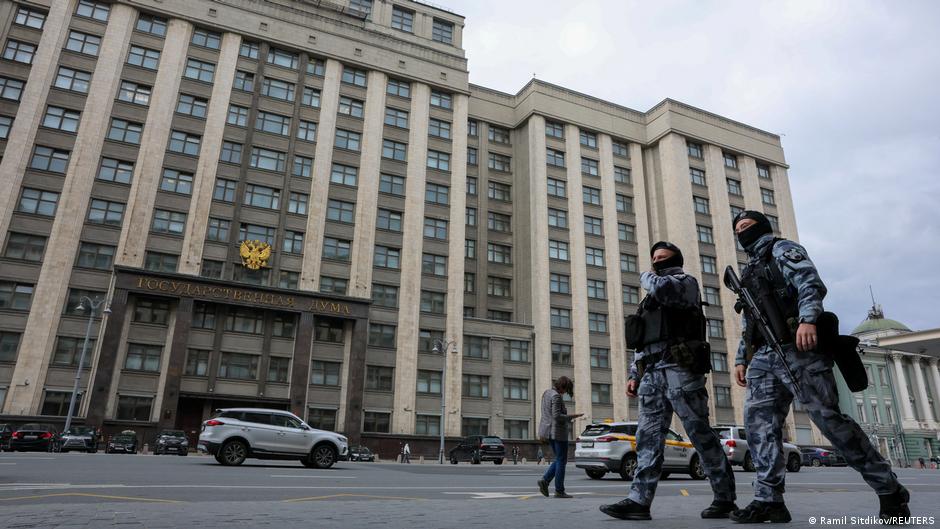
Russia’s three-day Duma vote includes occupied Ukrainian territories, raising verification concerns and signaling continued wartime policy consolidation.

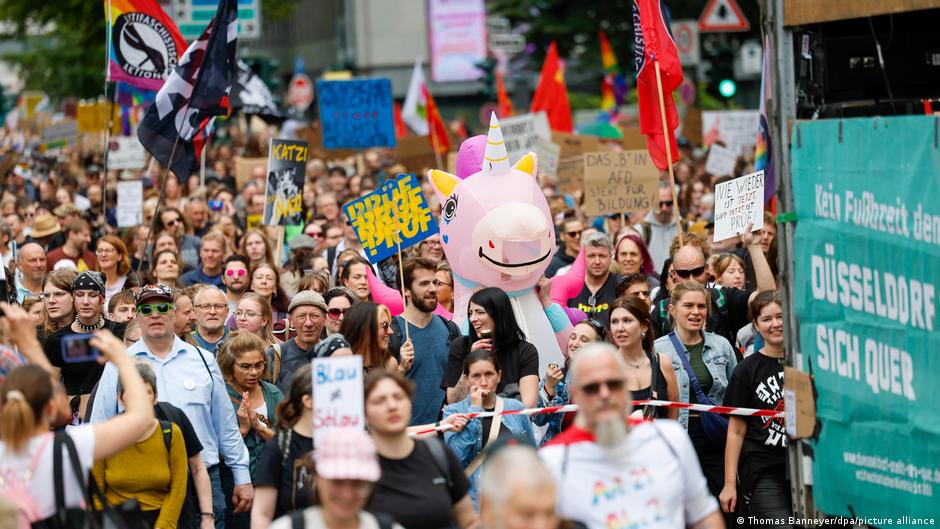
Mass protests across Germany reveal mounting political strain as the AfD gains ground and debate intensifies over bans and cooperation barriers.

The Houthi capture of Mocha strengthens their position near Bab el-Mandeb, increasing risks to oil flows, prices and U.S. policy options.

Zelensky expects late-September US talks on food and energy security as Ukraine warns of Black Sea export disruption and infrastructure attacks.

Macron is pushing Brussels to consider an EU-wide under-15 social media ban after France’s top constitutional body blocked a national measure.

AfD’s landslide in Saxony-Anhalt leaves no clear governing majority and raises pressure on Germany’s energy, sanctions and coalition politics.

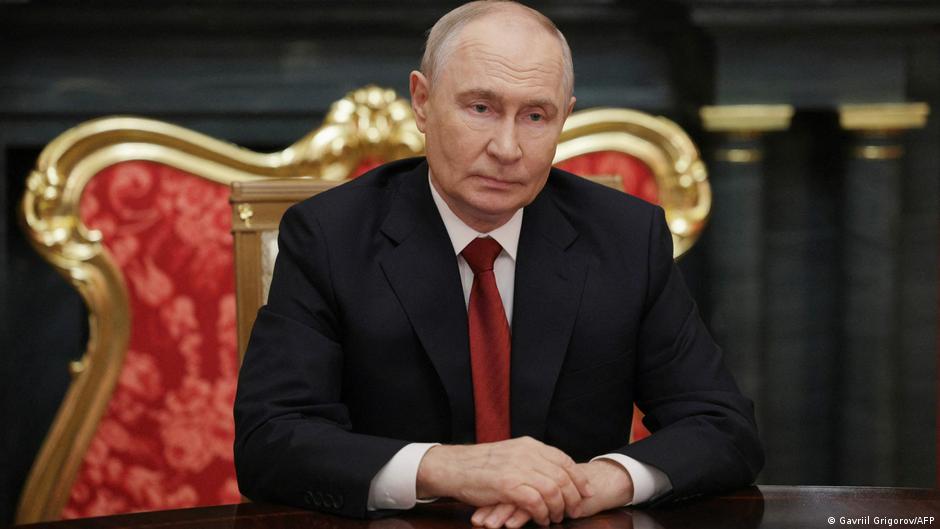
Putin backed using citizens deemed fully unfit for military service in rear-area drone defense, highlighting Russia’s manpower strain.

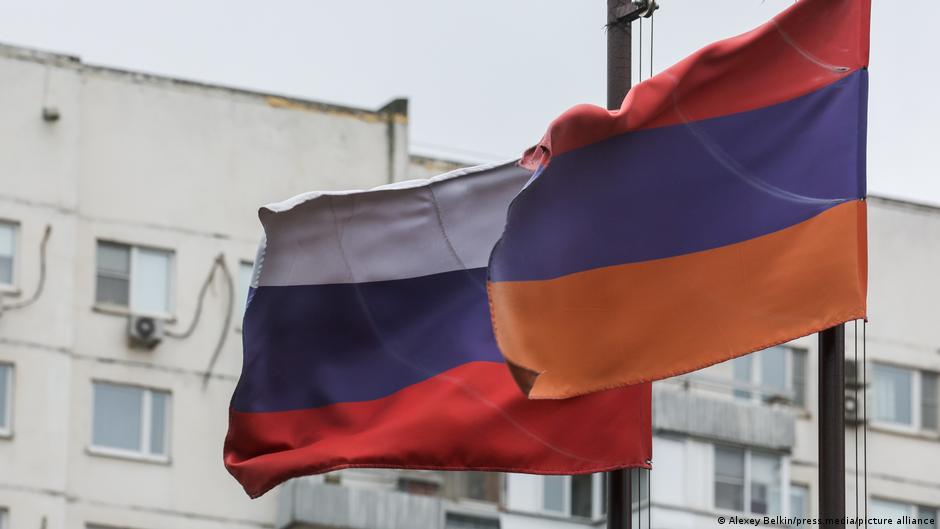
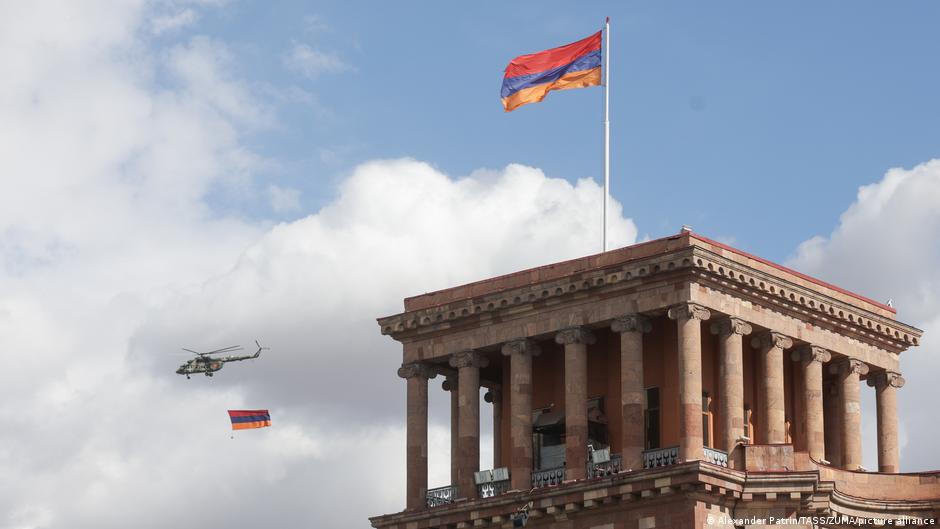
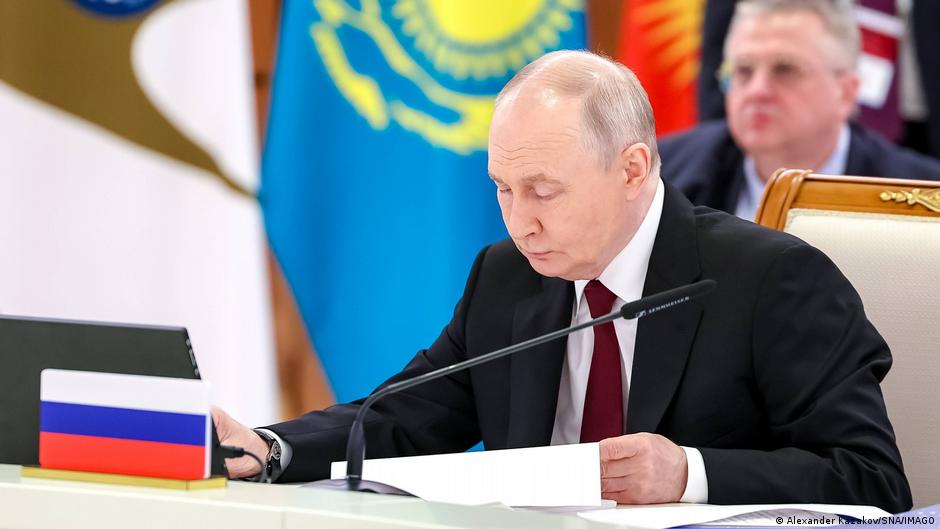
Putin told Pashinyan that Armenia's EU bid would effectively mean leaving the EAEU, deepening a dispute with regional trade and policy implications.

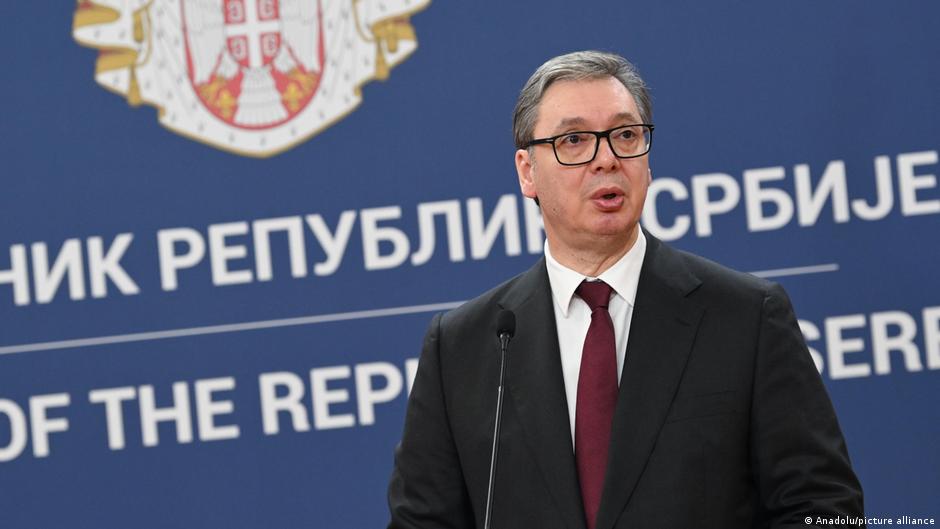
Serbia announces early parliamentary elections in October 2023 amid ongoing protests and demands for anti-corruption reforms, signaling potential shifts in the country’s political and economic trajectory.

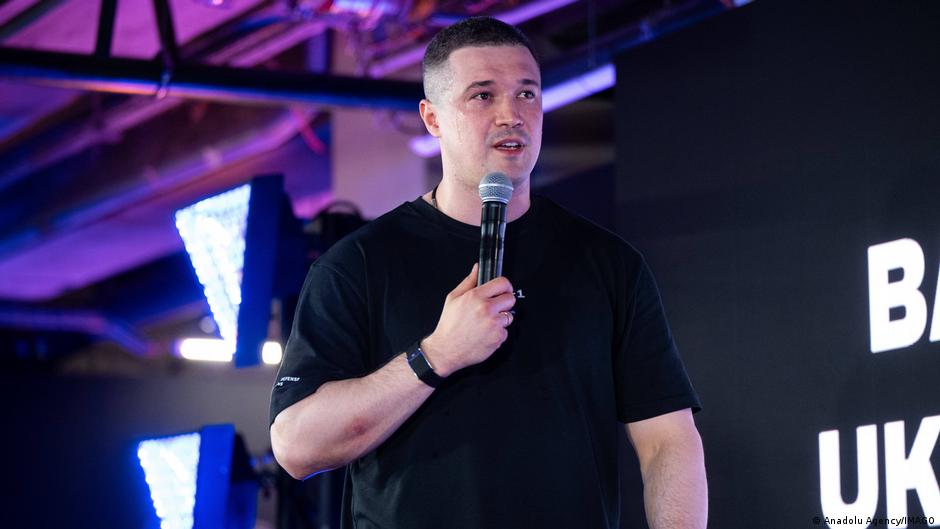
Former Ukrainian Defense Minister Mykhailo Fedorov calls for holding elections despite ongoing war, emphasizing the need for lawful, secure democratic processes.

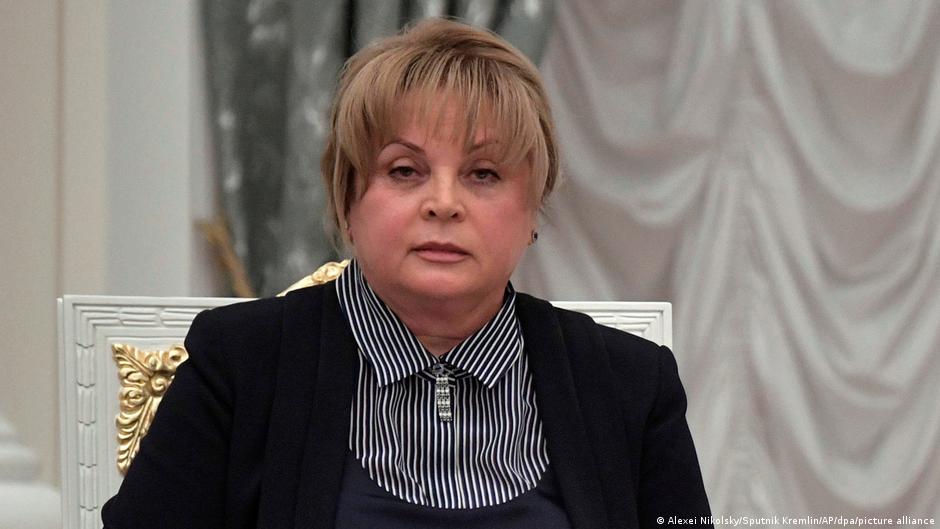
Russia’s election chief advocates stripping voting rights from emigrated citizens, signaling significant policy shifts with implications for global economic relations and diaspora engagement.

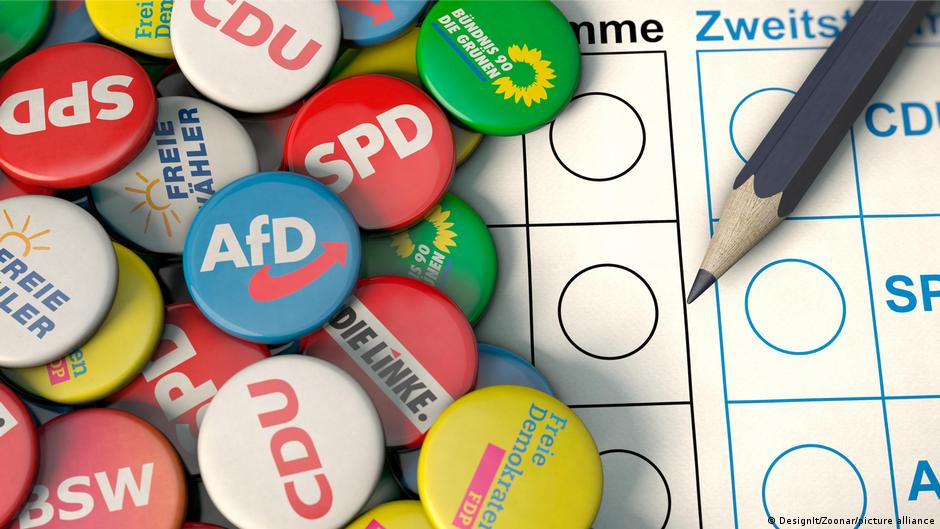
Germany’s CDU/CSU support drops to 20%, the lowest in five years, as far-right AfD leads polls ahead of key federal state elections, signaling shifting voter dynamics.

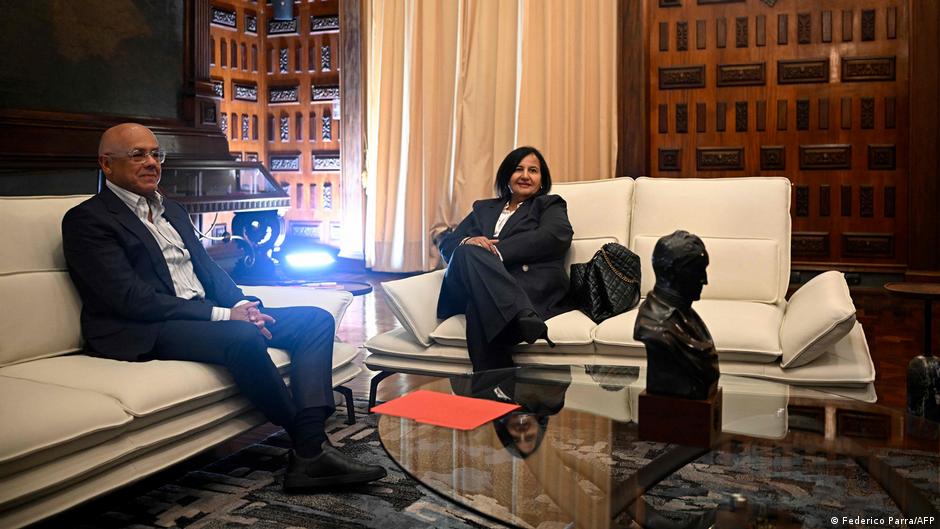
Venezuela's government and opposition plan direct talks in Caracas to address earthquake relief and set democratic reforms and election timelines.

A Kremlin-linked bot network spreads false German media-style content to influence voter sentiment ahead of September regional elections, targeting all but pro-Russian parties.

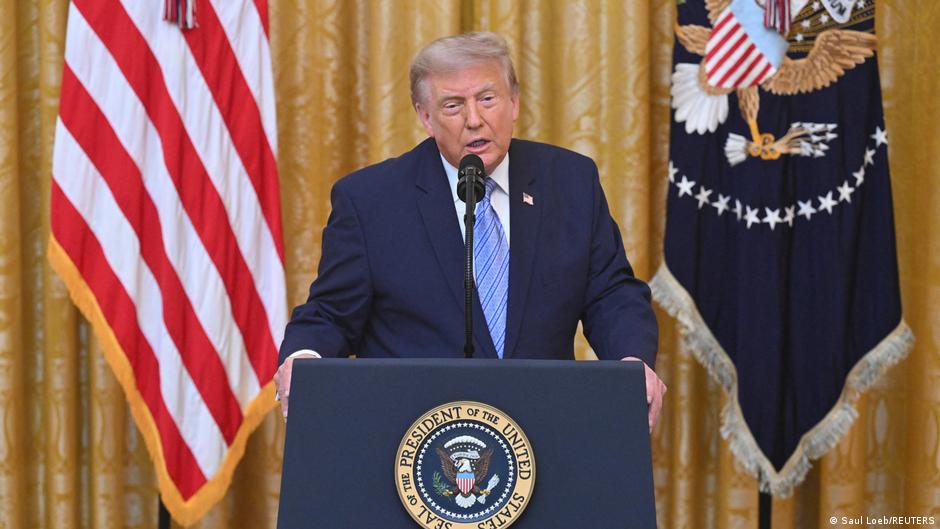
Donald Trump alleges China accessed data on 220 million U.S. voters to influence the 2020 elections, citing systemic electoral vulnerabilities with global security implications.

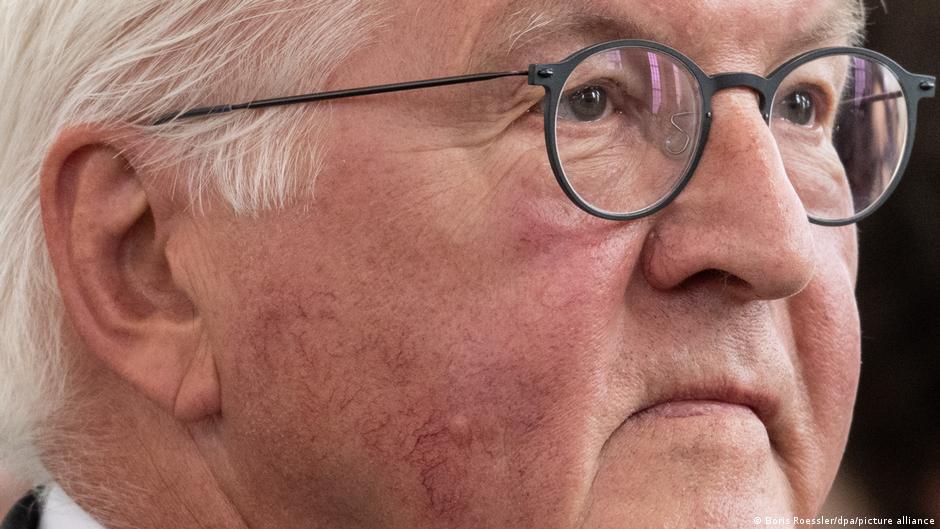
German President Steinmeier calls for Europe to uphold international law and counteract the ruthless geopolitical strategies of Russia and the US amid rising populism and reform challenges.

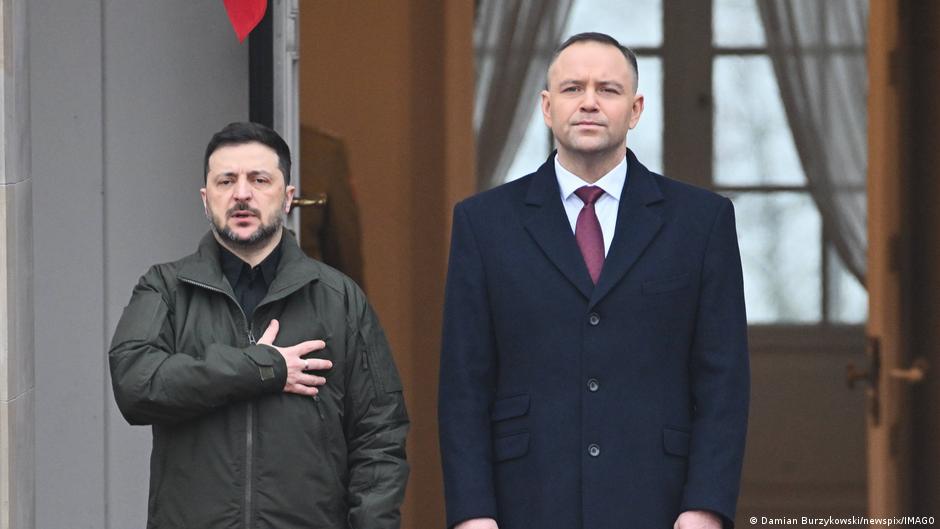
Ukraine’s Zelensky proposes a National Pantheon and new European Order amid diplomatic tensions with Poland, reflecting complex dynamics in national identity and EU integration.

Graz, Austria’s second-largest city, reaffirms communist leadership focused on housing policies, highlighting contrasting urban and national political-economic dynamics.

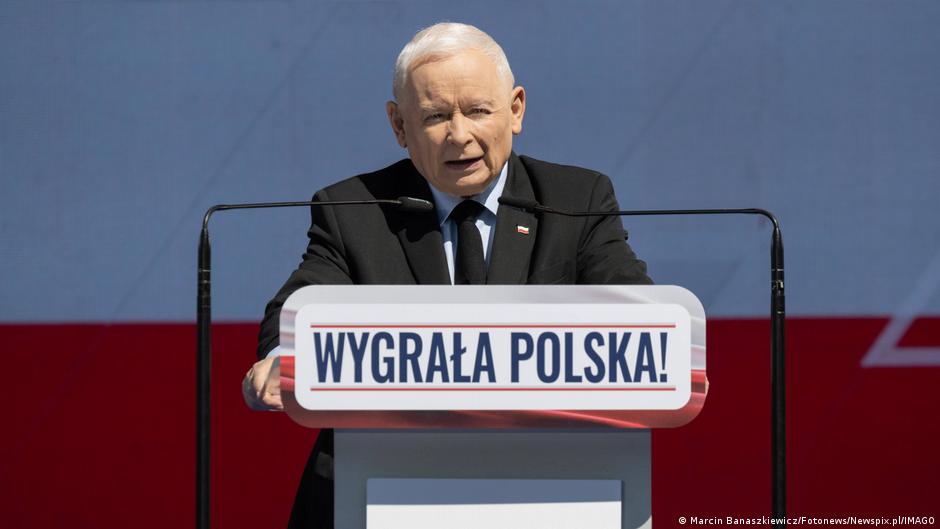
Poland's opposition leader Kaczyński calls to block Ukraine’s EU accession talks amid rising bilateral tensions and divergent historical narratives, raising broader European economic and political concerns.

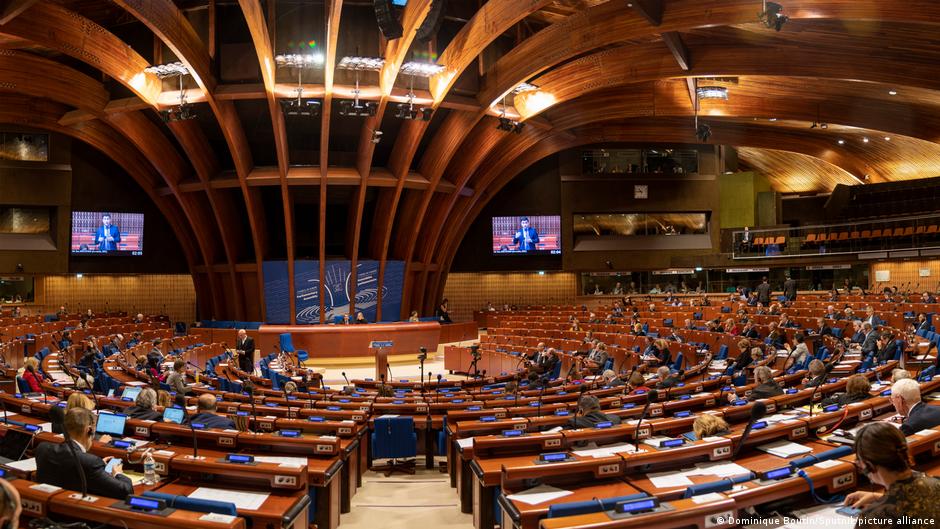
PACE adopts a resolution condemning democratic backsliding in Georgia, urging cessation of opposition repression and highlighting risks to regional stability and economic governance.

U.S. intelligence warns Israel may attempt to undermine the U.S.-Iran nuclear deal, risking increased Middle East instability and complicating global economic and policy landscapes.

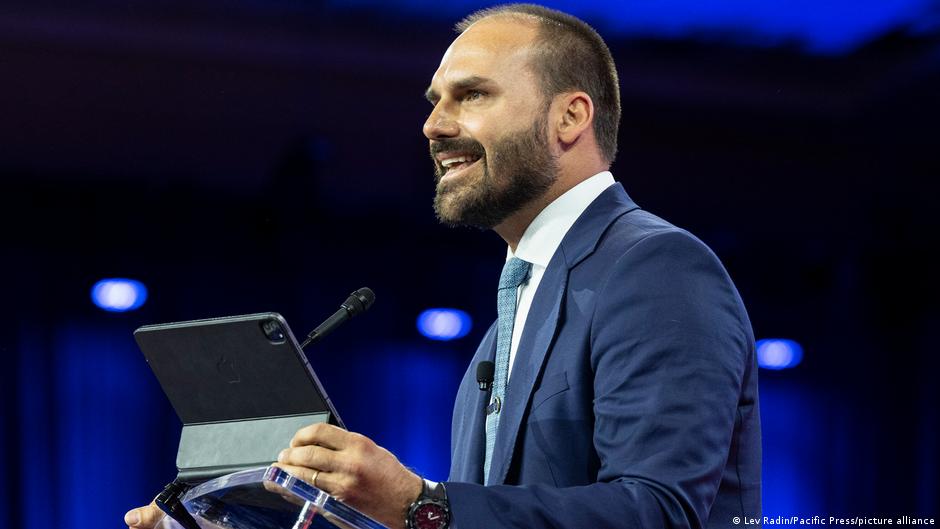
Eduardo Bolsonaro is sentenced to over four years in prison for lobbying US sanctions against Brazil and barred from public office amid escalating political tensions.

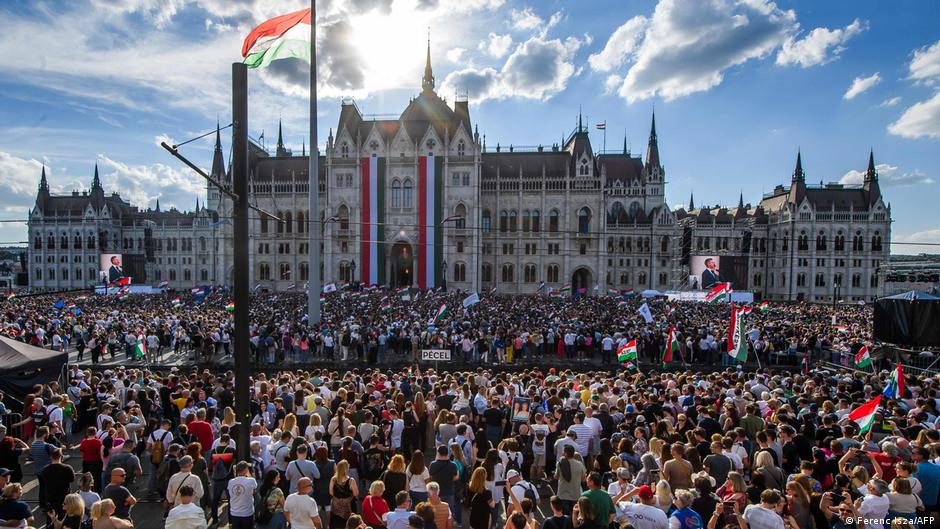
Hungary’s Parliament limits prime ministerial terms to two four-year periods, barring Viktor Orban’s return and signaling a shift in political and economic governance.

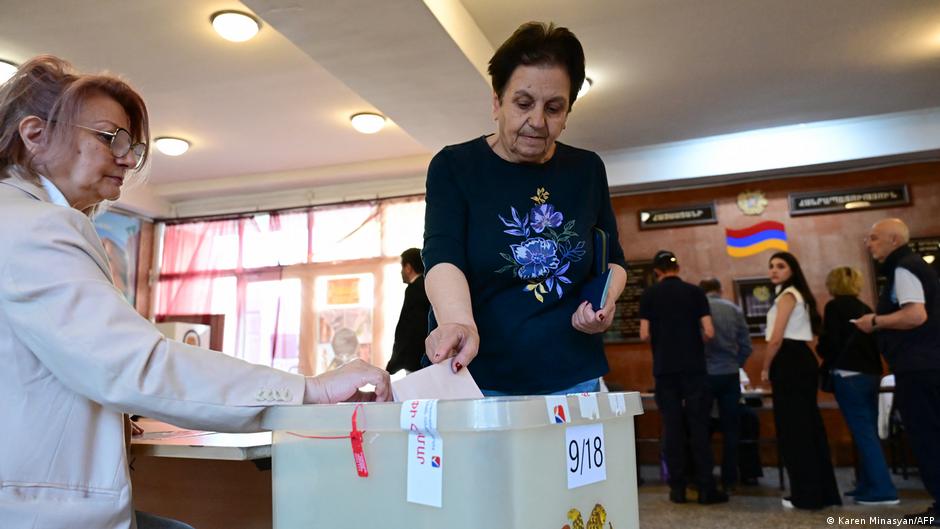
Armenia’s Central Election Commission recounted votes at one-third of polling stations, resulting in minor vote increases for main parties amid political tensions ahead of final tally.

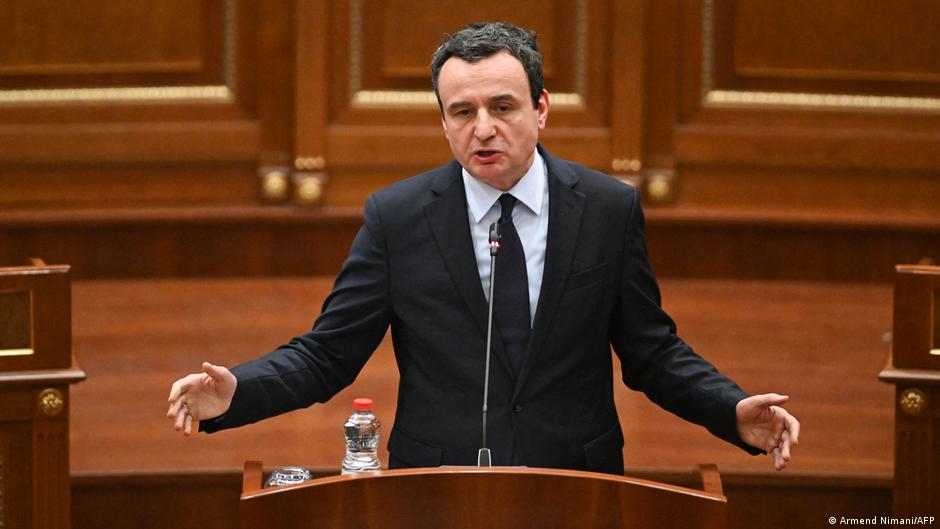
Kosovo’s Self-Determination party wins 43% in early elections but faces coalition hurdles amid EU integration challenges and regional political instability.

Armenia’s recent elections reinforce PM Pashinyan’s pro-EU stance, intensifying tensions with Russia and impacting regional economic and geopolitical stability.

Russia threatens Armenia with higher tariffs and labor restrictions if it leaves the Eurasian Economic Union amid rising tensions over Armenia's EU alignment.

Friedrich Merz’s circle denies plans for his early replacement amid CDU rumors, highlighting risks to political stability and economic policy continuity in Germany.

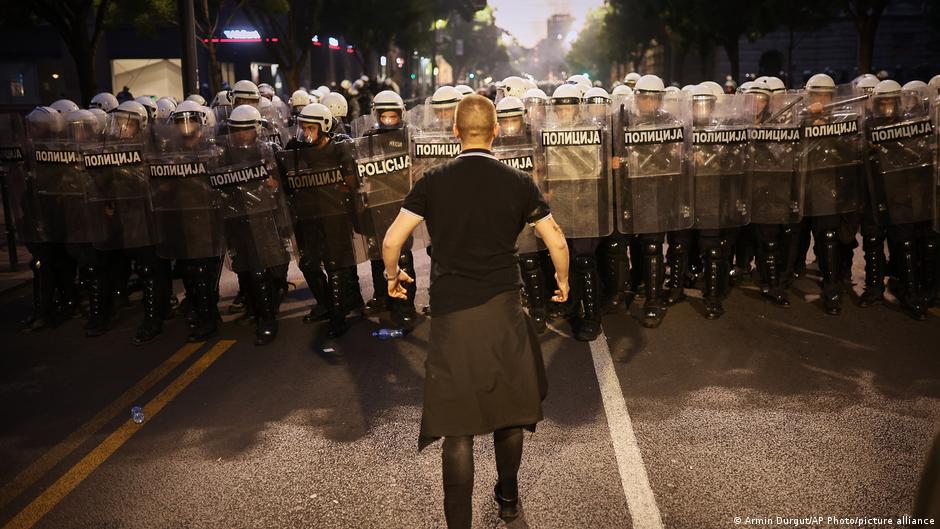
Violent protests in Belgrade expose deep political instability in Serbia, challenging governance and economic stability ahead of crucial 2026 elections.
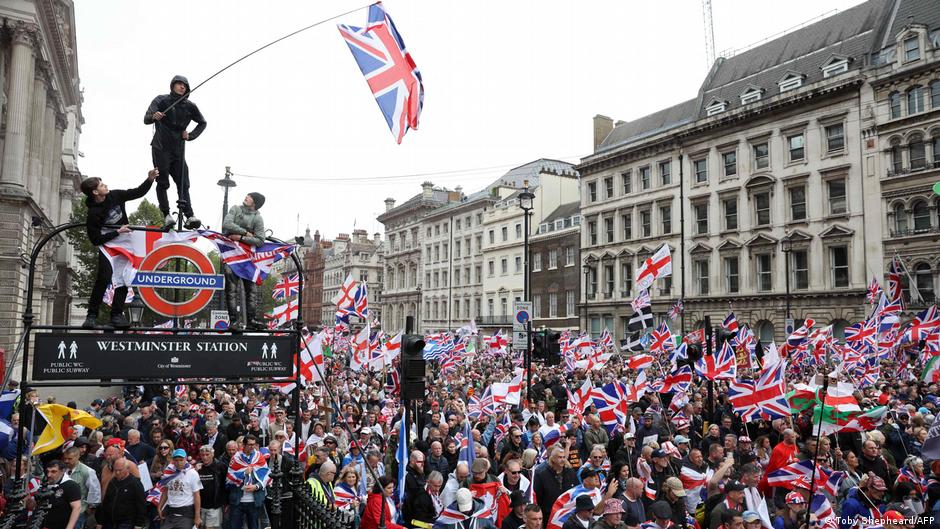
London hosted large opposing protests on migration and the Palestinian Nakba, highlighting political polarization with implications for economic policy and international relations.

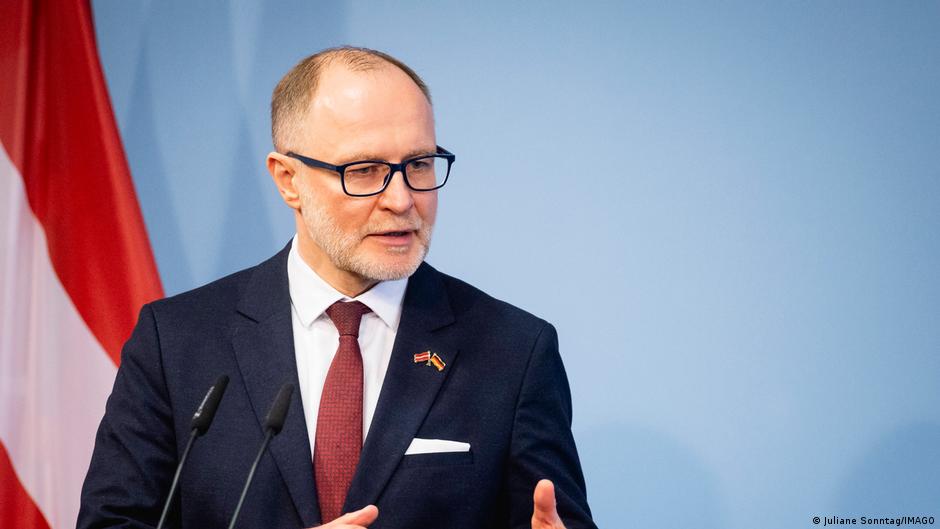
Latvia's ruling coalition collapsed after the Defense Minister's resignation over a drone incident, raising political instability and economic uncertainty ahead of key parliamentary elections.