Putin Backs Using Medically Unfit Volunteers for Drone Defense Duties
The proposal signals mounting manpower pressures as Moscow denies mobilization plans while regions face new recruitment targets.
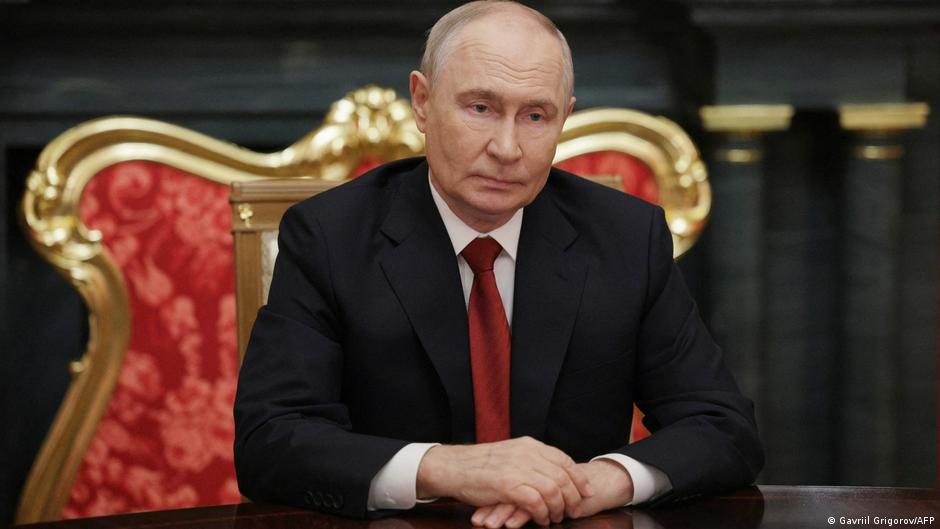
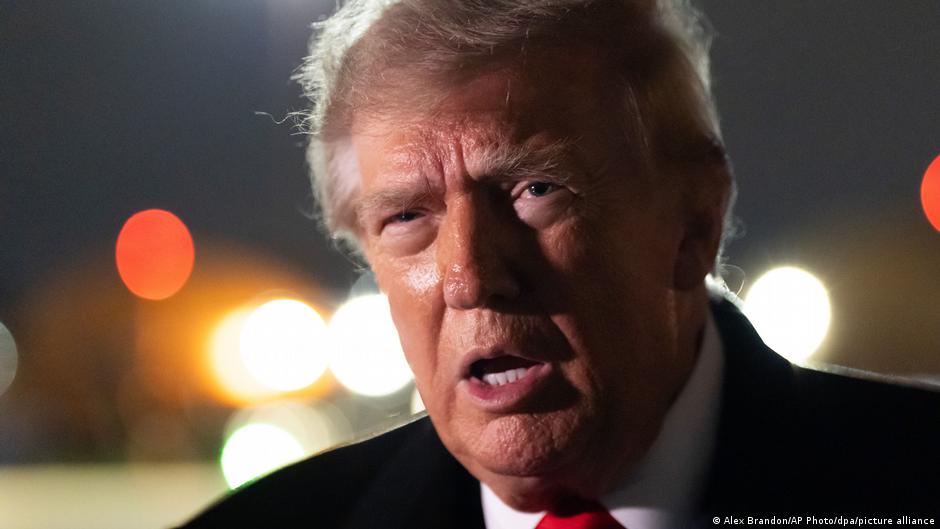
Russian President Vladimir Putin has endorsed a proposal to allow citizens classified as fully unfit for military service to be used in efforts to defend rear-area facilities from drones, according to reports on Saturday, September 5, by The Moscow Times and Echo. The idea, raised by pro-Kremlin war correspondent Yevgeny Poddubny, would apply to volunteers with the health category “D,” a designation meaning “absolutely unfit for military service.”
The proposal was presented at a meeting of the leadership of the United Russia party. According to media reports, Poddubny said the request came from fighters who had received the category as a result of combat wounds, and argued that such people could carry out tasks in regional units, including helping repel Ukrainian drone attacks away from the front line. Putin supported the proposal at the same meeting.
The move points to a widening search for personnel as Russia attempts to sustain its war against Ukraine while avoiding the political and economic costs of a formally declared new mobilization wave. Although the plan is framed around voluntary participation and rear-area protection, it would mark a notable shift in the use of people previously removed from the military system because of severe health conditions.
Under current Russian law, citizens with category “D” cannot sign contracts with the Ministry of Defense.
Category “D” is assigned in cases of serious chronic illness or disability, including active tuberculosis, HIV infection, cancer, schizophrenia, the absence of limbs, blindness or deafness. Citizens with this classification are removed from military registration, and their personal files are sent to archives. Under existing Russian legislation, they are not permitted to conclude contracts with the Defense Ministry.
Labor Strain Behind the Mobilization Denials
The Kremlin’s public position remains that a new mobilization is unnecessary. Speaking at the plenary session of the Eastern Economic Forum in Vladivostok on September 3, Putin again commented on rumors of another mobilization wave in Russia, saying there was “no scenario that would require mobilization.” He described the rumors as an “information attack by the enemy ahead of State Duma elections with an attempt to influence the result.”
It was Putin’s second recent statement on the issue. A day earlier, after the Shanghai Cooperation Organization summit in Bishkek, he dismissed such concerns as “nonsense.” Yet the legal and administrative backdrop remains more complex. The 2022 decree on partial mobilization has not formally been canceled and continues to be in force.
Russians have reported receiving summonses, being called to military training, and seeing intensified recruitment efforts for the war against Ukraine. Z-channels reported as early as July that compulsory conscription to the front could affect 1.2 million Russians and might be accompanied by informal arrangements with countries neighboring Russia, under which men of draft age would be unable to leave for adjacent states.
For senior economic decision-makers, the policy signal is less about a single manpower category than about the state’s growing willingness to draw on marginal labor pools. The possible use of people deemed fully unfit for service suggests pressure on Russia’s military staffing model, even as the Kremlin seeks to avoid the domestic disruption associated with a declared mobilization. Rear-area drone defense may appear operationally narrow, but it still competes for human resources, administrative capacity and local government attention.
Regional Recruitment Burdens
The pressure is also visible in reported recruitment targets. In August, according to the Institute for the Study of War, total Russian troop losses exceeded 40,000 people for the second consecutive month. Separately, the Financial Times reported, citing sources, that the Kremlin and Russia’s Defense Ministry had ordered Russian regions to recruit 409,000 contract soldiers by the end of 2026 for participation in the war. To meet the target, the authorities are increasing pressure on local officials.
That regional dimension matters for Russia’s broader economic management. Recruitment quotas shift part of the war effort onto governors, municipal administrations and local employment networks. As the pool of readily available volunteers tightens, regions may have to rely more heavily on financial incentives, administrative pressure, and outreach to groups previously outside the normal military labor market.
The economic consequences may accumulate gradually rather than appear as a single shock. Contract recruitment requires budget resources and can pull workers from local labor markets already constrained by demographics, sanctions-related bottlenecks and wartime demand. If more categories of citizens are brought into defense-related functions, even outside the front line, the boundary between military and civilian labor allocation becomes increasingly blurred.
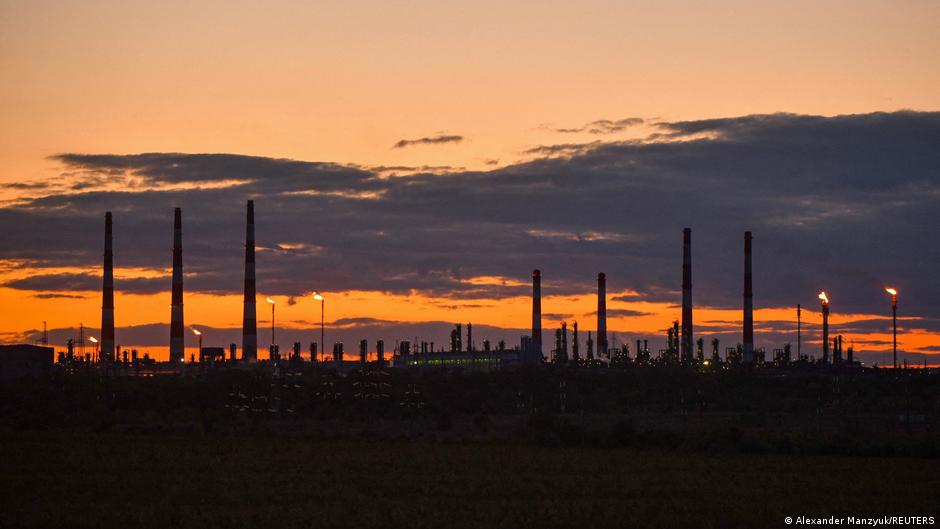
The drone-defense rationale also reflects the changing geography of the war’s costs. Ukrainian drone attacks on facilities in the Russian rear have increased the importance of protecting infrastructure far from the battlefield. That creates demand for distributed security capacity across regions, adding another layer of wartime expenditure and organization. It may also reinforce a policy trend in which local administrations are asked to absorb national security tasks with long-term fiscal and labor implications.
Putin’s endorsement does not itself rewrite the law governing category “D” citizens. But politically, it indicates openness at the top of the Russian system to expanding the manpower base in unconventional ways. The immediate policy question is whether the proposal will be translated into legal changes allowing such volunteers to serve in regional anti-drone units or other rear-area structures. The larger macroeconomic question is how far the Kremlin can continue to finance and staff the war through incremental measures while publicly rejecting the need for a broader mobilization.