Venezuela Government and Opposition to Hold Historic Talks on Earthquake Aid and Democratization
Direct negotiations in Caracas aim to address earthquake relief and outline new election timelines amid US-backed mediation.
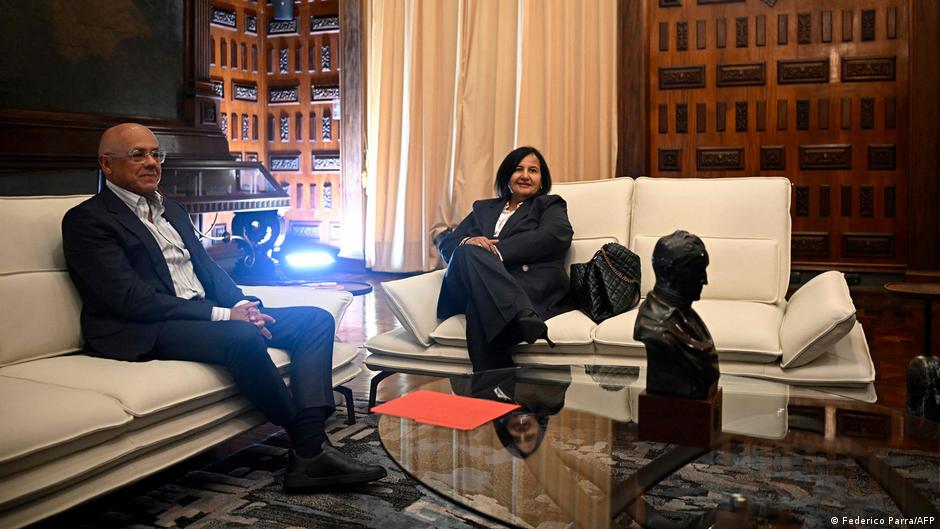
The Venezuelan government will engage in direct talks with opposition representatives in Caracas next week, marking a significant step towards addressing the country's recent challenges and political deadlock. The agenda focuses on providing aid to victims of a recent earthquake and discussing pathways toward democratic reforms and new elections.
Context and Participants
This first face-to-face negotiation session was announced by Jorge Rodríguez, the head of Venezuela's National Assembly and chief government negotiator, on August 1. The opposition will be represented by Dinorah Figuera, a former government official who fled Venezuela in 2018 amid political persecution fears. Figuera leads a center-right opposition bloc that won parliamentary elections in 2015, gains recognized by the United States but rejected by then-President Nicolás Maduro.
The talks come amid a complex political landscape: Maduro’s government faced US sanctions and international isolation, while opposition forces have struggled to unify and gain traction. Currently, Delsi Rodríguez heads the government in negotiations, following Maduro's temporary absence from direct talks.
"These negotiations are a crucial opportunity to restore democratic institutions and rebuild Venezuela’s electoral processes," said Jorge Rodríguez.
Washington has expressed support for the dialogue process, emphasizing the importance of strengthening democratic mechanisms and agreeing on a credible election schedule. The last national elections in 2024 were highly contested; Maduro was declared the winner, but opposition leaders, including Edmundo González Urrutia, contested the results claiming majority support.
Implications for Venezuela and the Region
The talks hold significant implications beyond Venezuela’s borders. A stable political resolution could ease economic sanctions and restore international confidence in Venezuela’s governance and institutions. This, in turn, would influence regional economic stability, energy markets—given Venezuela’s role as an oil producer—and migration flows triggered by ongoing political and economic crises.
However, notable opposition figures such as Nobel Peace Prize laureate María Corina Machado, a close ally of González and currently in exile, were excluded from the dialogue, raising questions about the inclusivity and representativeness of the negotiations.
Long-term economic consequences hinge on the outcomes of these talks. Effective earthquake aid coordination could mitigate humanitarian risks and infrastructure damage, while credible elections might pave the way for policy shifts necessary for economic recovery and foreign investment attraction.
For senior policymakers monitoring Latin America's political economy, these developments warrant close attention as they may signal shifts in Venezuela’s domestic policy stance and international relations.