U.S. Intelligence Warns Israel May Undermine Iran Nuclear Deal, Impacting Regional Stability
Israeli opposition to U.S.-Iran agreement raises concerns about Middle East security and future diplomatic efforts.
U.S. intelligence agencies have alerted the Trump administration that Israeli Prime Minister Benjamin Netanyahu is likely to attempt to disrupt the recently negotiated long-term agreement between Washington and Tehran. The Israeli government reportedly views the terms of the deal as unfavorable.
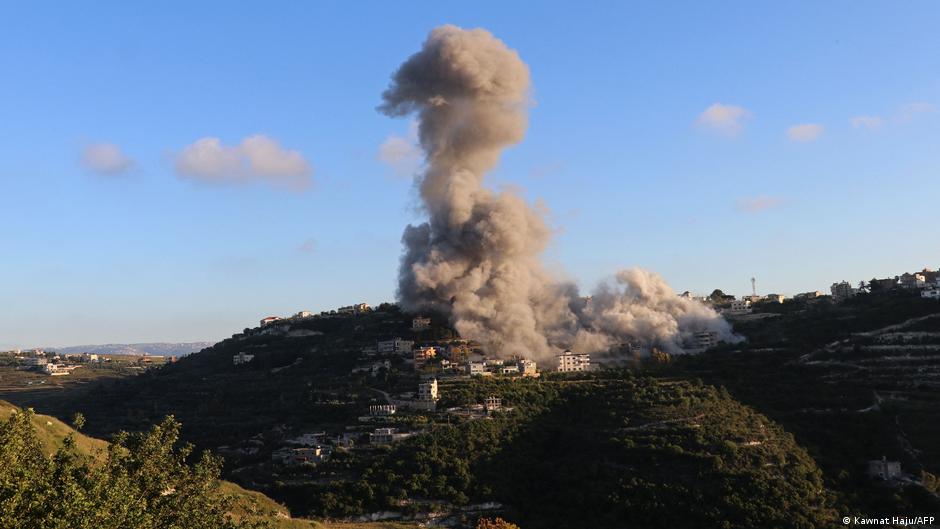
The intelligence assessment highlights Israel’s intention to persist with military operations against Hezbollah, the Lebanese Shiite militant group supported by Iran, which contradicts Tehran’s conditions for advancing negotiations with the United States. This posture underscores Israel’s strategic concerns over the deal signed on June 17, which Israel perceives as relieving Iran from the "maximum pressure" regime and potentially restricting Israel’s capacity to defend itself against Hezbollah threats.
Netanyahu’s stance is further influenced by domestic political considerations, as he prepares for parliamentary elections scheduled for late 2026. Public opinion within Israel strongly supports a robust approach toward Hezbollah. A May survey by Israel’s Institute for National Security Studies found that 70% of Israeli Jews favor intensifying efforts against the group. Consequently, any cessation of hostilities or withdrawal of the Israel Defense Forces (IDF) from southern Lebanon would likely be seen as a political setback for Netanyahu.
Geopolitical and Economic Implications
According to U.S. media reports, Netanyahu may exert pressure on President Trump and leverage pro-Israel U.S. senators and right-wing media influencers to prevent the finalization of the U.S.-Iran nuclear agreement. Netanyahu reportedly doubts Iran will consent to meaningful constraints on its nuclear program, predicting the deal’s failure.
"The Israeli government perceives the agreement as a weakening of the maximum pressure campaign against Iran, which threatens regional security and Israel’s defensive posture," the intelligence report suggests.
Meanwhile, Israeli and Hezbollah sources announced a ceasefire agreement on June 19, although Israeli officials indicated that IDF forces would remain in southern Lebanon. Nevertheless, reports from Beirut alleged violations of the truce by Israeli forces, claims that Israeli authorities have neither confirmed nor denied.
The ceasefire represents a critical element of the memorandum signed by the U.S. and Iran, intended to halt hostilities initiated earlier in the year by the U.S. and Israel against Iranian-backed factions. The agreement stipulates a subsequent 60-day negotiation period aimed at reaching a definitive peace accord.
Despite the memorandum, clashes in Lebanon continued past the signing date. Scheduled negotiations between U.S. and Iranian delegations in Switzerland on June 19 were postponed amid the ongoing security tensions. Swiss officials had anticipated participation from Qatar and Pakistan as mediators.
Iranian negotiators have demanded visible U.S. compliance with the memorandum prior to resuming talks. President Trump responded critically to the delay, asserting on social media that Iran was desperate to negotiate but would not receive financial concessions during the 60-day period.
Long-Term Economic and Policy Consequences
This evolving dynamic carries significant macroeconomic implications. The potential derailment of U.S.-Iran negotiations by Israeli opposition risks prolonging instability in the Middle East, which is crucial for global energy markets and international trade routes. Continued conflict may disrupt crude oil supplies, exacerbating volatility in global energy prices and affecting inflation outlooks worldwide.
Furthermore, the uncertainty surrounding the nuclear deal influences geopolitical risk assessments and investment decisions. Prolonged tensions could prompt the U.S. to maintain or intensify sanctions on Iran, impacting global financial flows and economic relations with Middle Eastern and allied nations.
Policymakers must also consider the domestic political calculus driving Israeli actions and the broader strategic contest between U.S. allies and adversaries in the region. Maintaining a balance between security imperatives and diplomatic engagement remains a complex challenge with far-reaching consequences for international stability and economic growth.