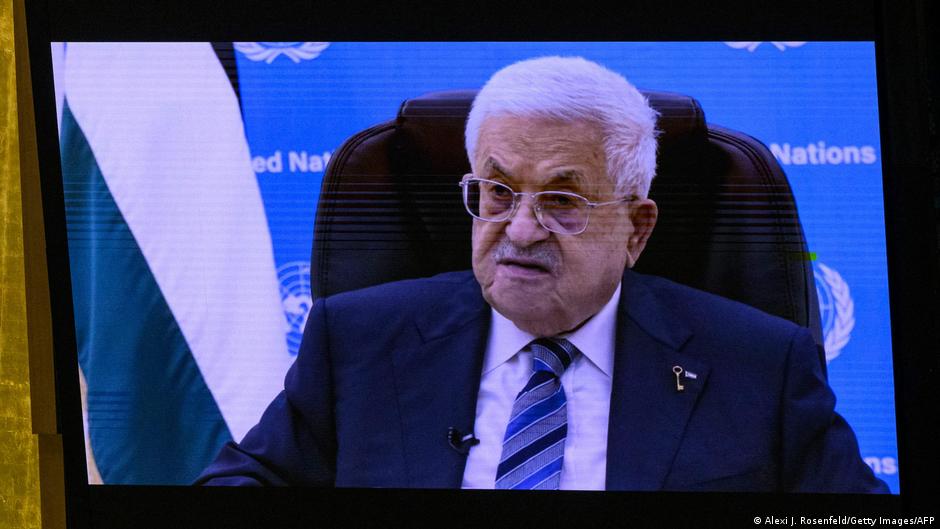
US-Israel Tensions Escalate Amid Lebanon Strikes, Impacting Middle East Stability
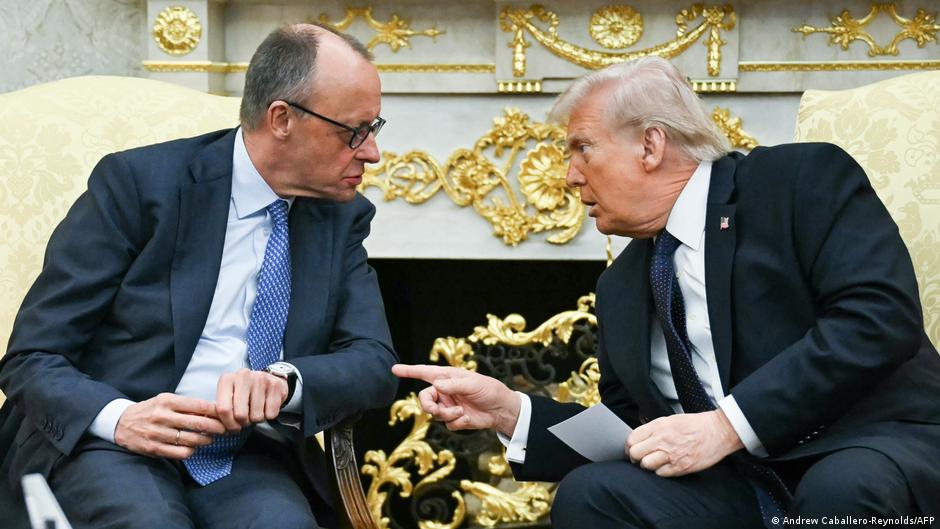
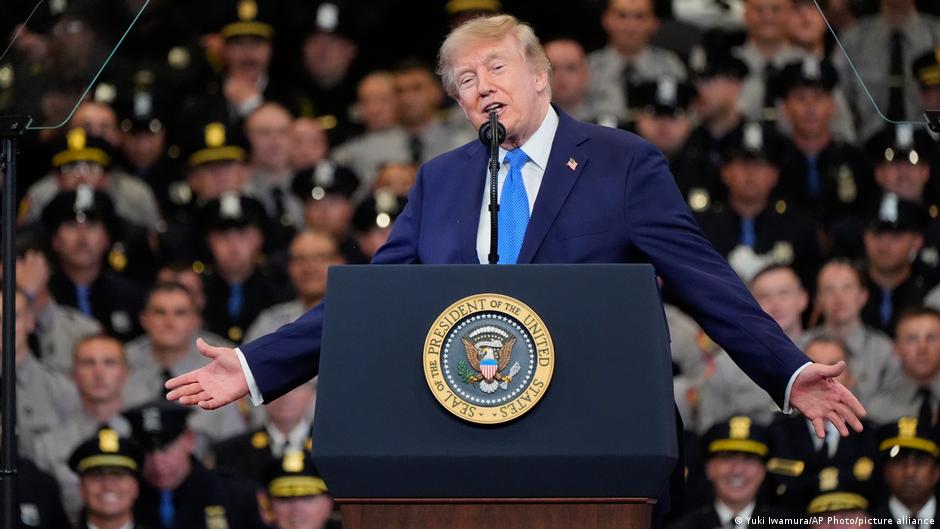
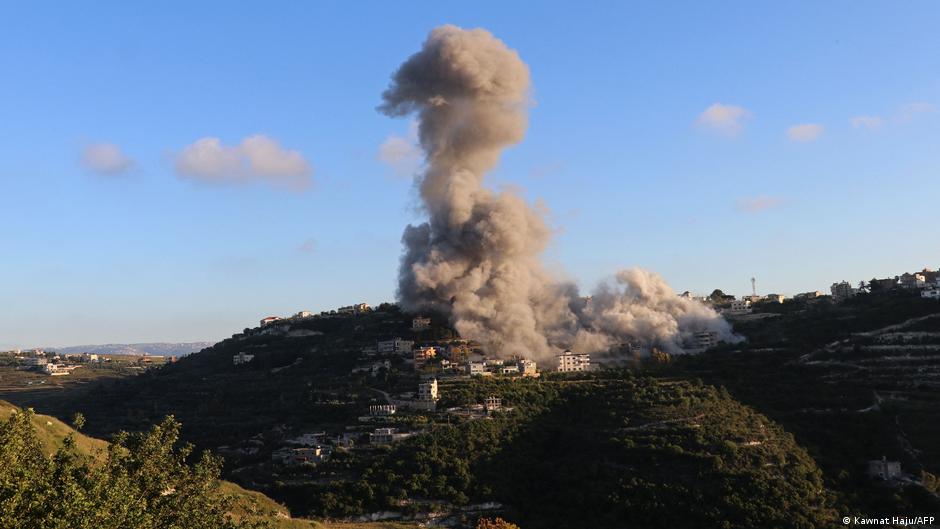
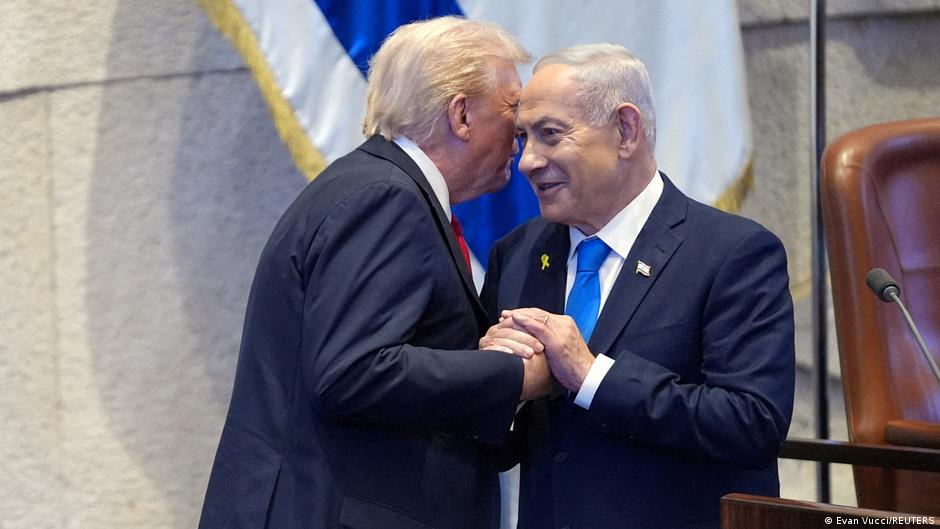
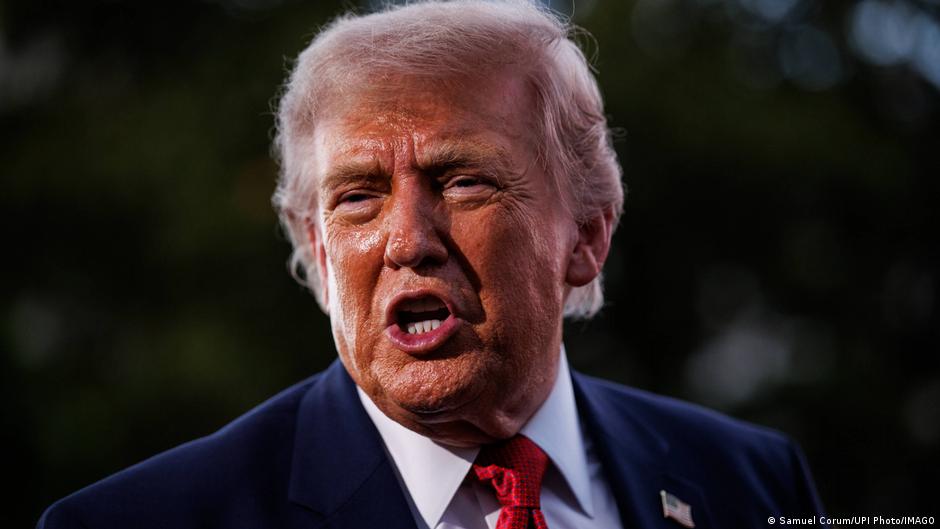
Trump rebuked Netanyahu over Lebanon strikes, highlighting risks to regional stability and US diplomatic efforts amid ongoing Middle East tensions.

Trump rebuked Netanyahu over Lebanon strikes, highlighting risks to regional stability and US diplomatic efforts amid ongoing Middle East tensions.

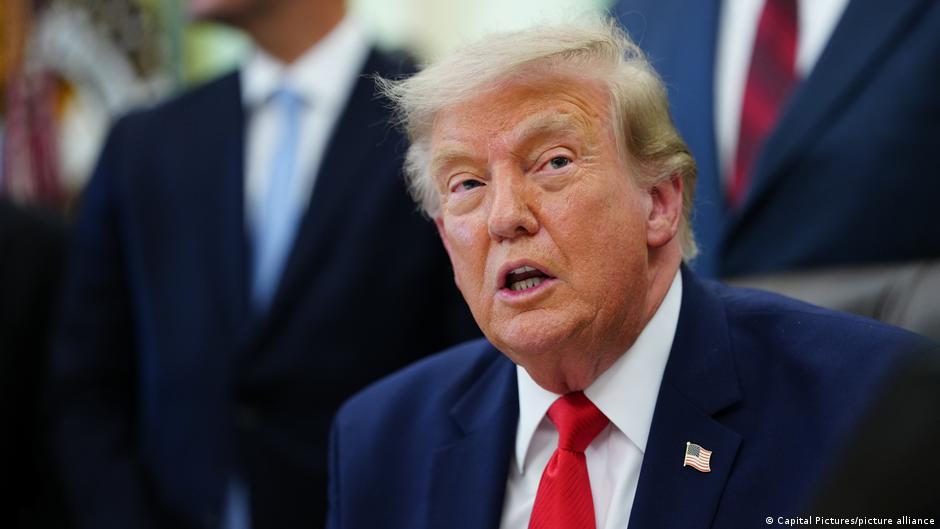
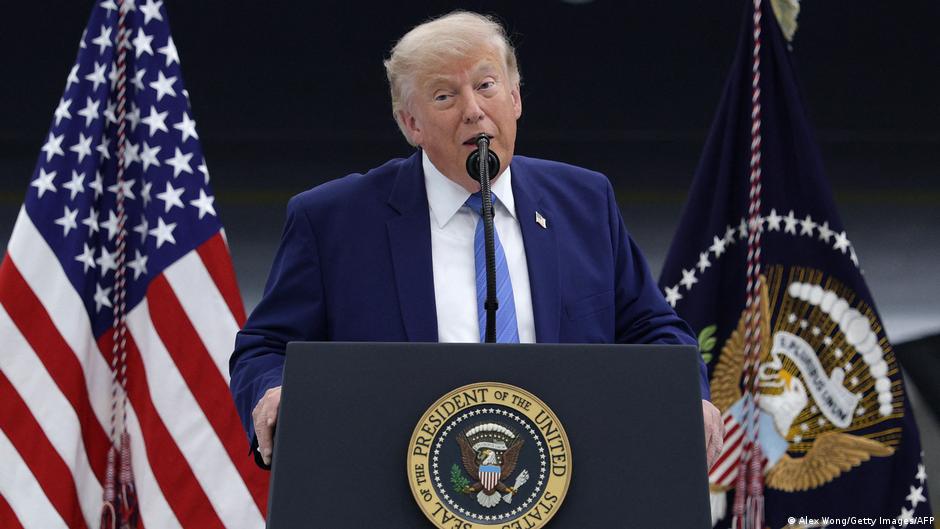
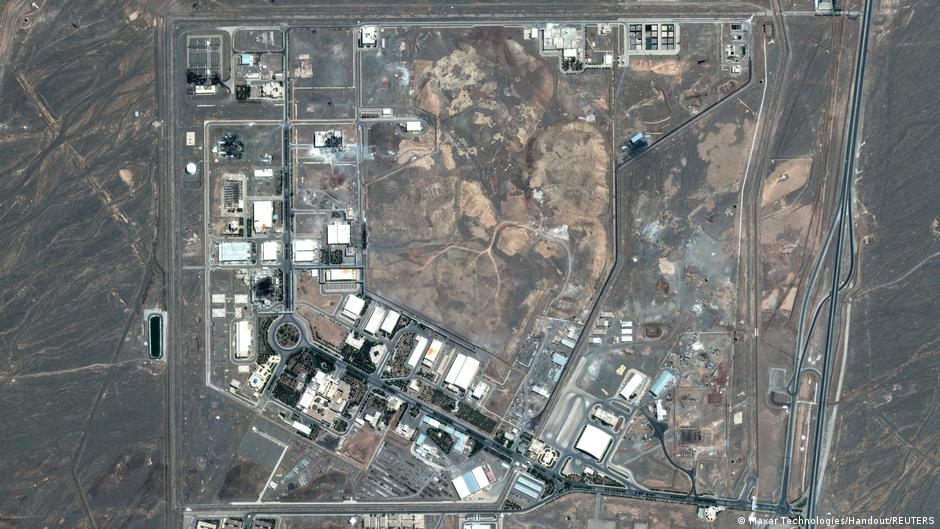
Trump demands Iran's enriched uranium stocks be destroyed in the U.S. or under IAEA supervision, intensifying nuclear tensions with global economic implications.

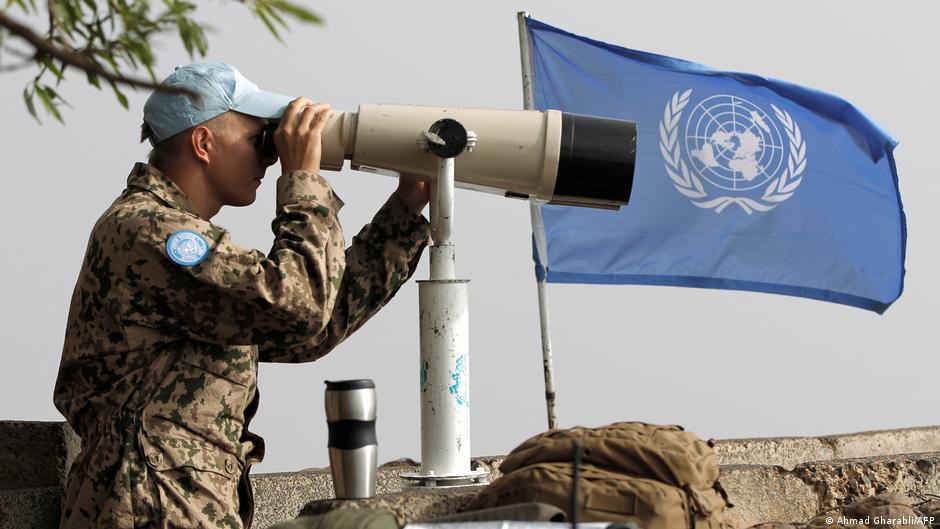
UN peacekeeping personnel have dropped to a 25-year low due to geopolitical tensions and funding shortfalls, threatening the future of multilateral conflict resolution, SIPRI warns.

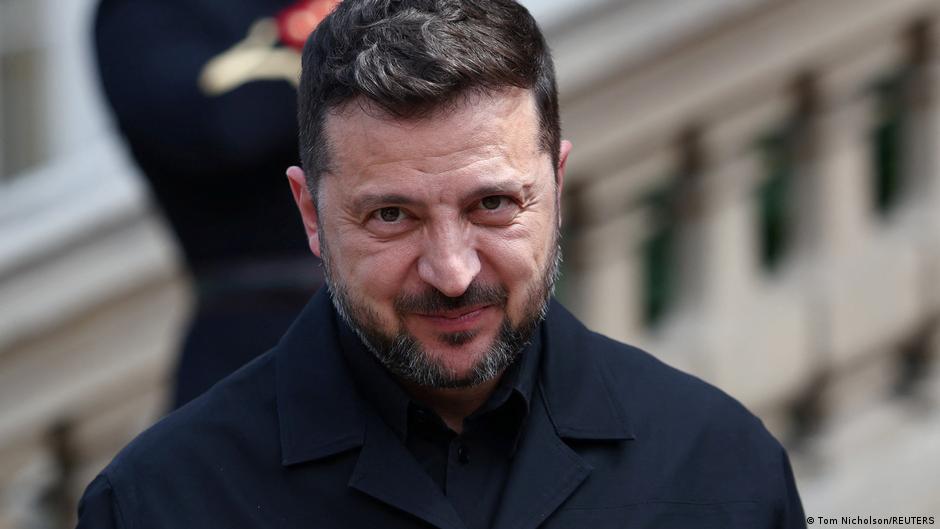
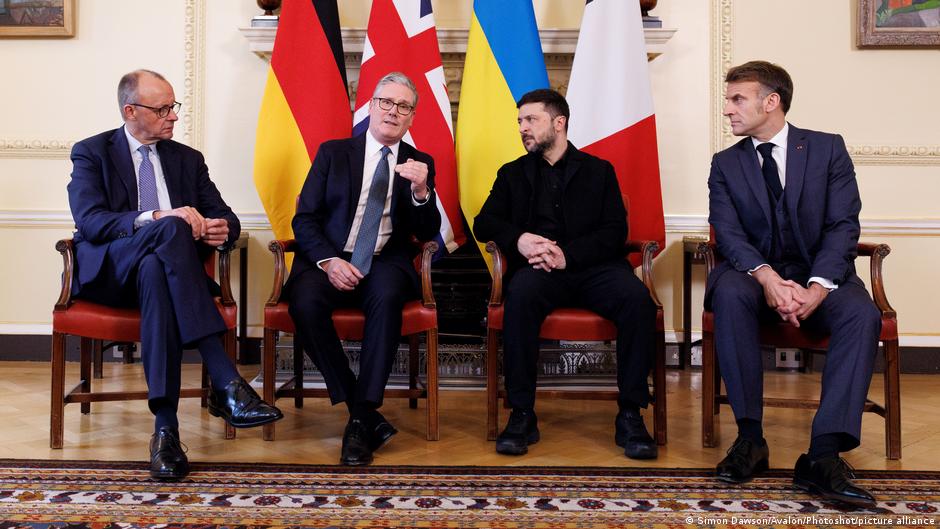
Ukraine and European leaders convened to discuss reinvigorating diplomacy to end the war with Russia amid shifting global priorities and evolving conflict dynamics.

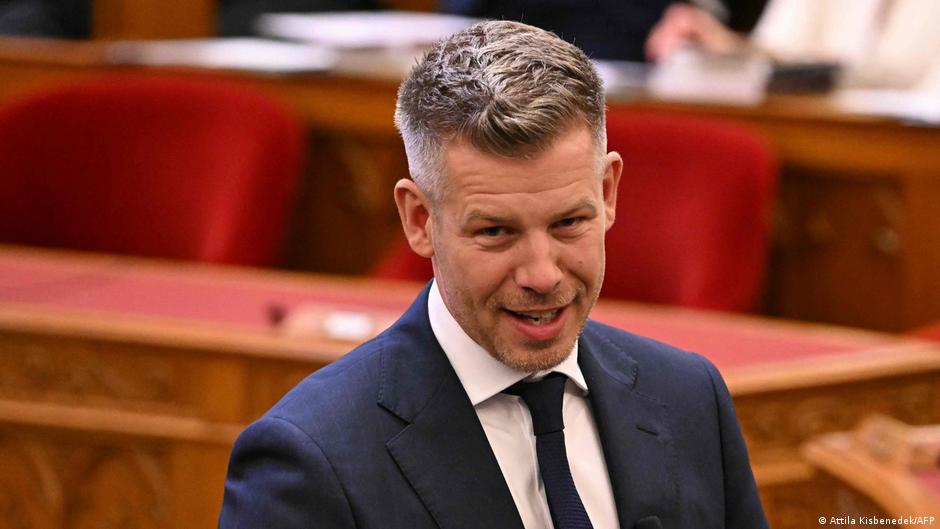
Hungary reverses a procedural lapse to reinstate its ban on Ukrainian agricultural imports, aiming to protect domestic farmers and recalibrates its stance on the International Criminal Court.

The US announces deployment of 5,000 additional troops to Poland amid evolving military strategy in Europe, signaling strategic shifts and NATO adaptation.

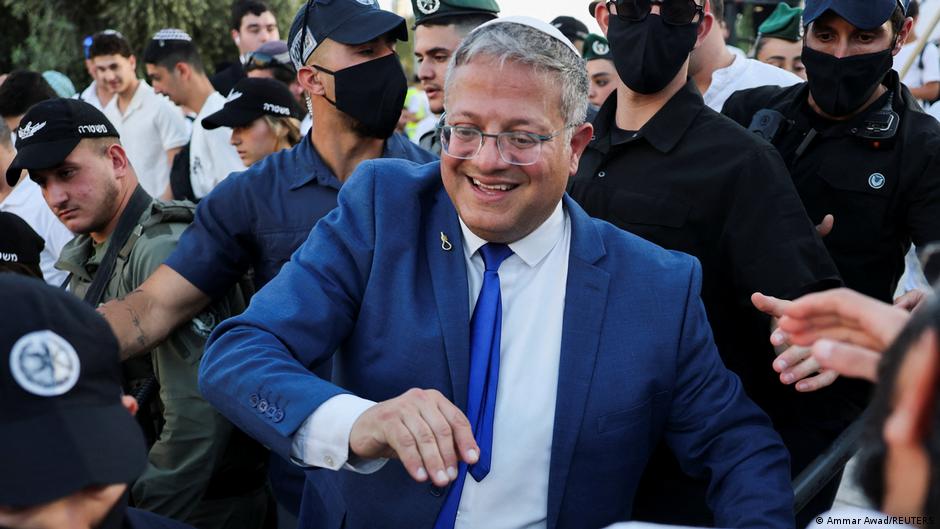
The EU and US have condemned Israel following a video showing detained pro-Palestinian activists, sparking diplomatic protests and highlighting tensions over Gaza blockade enforcement.

The UK has issued an indefinite license to import diesel and kerosene derived from Russian oil via third countries, easing sanctions amid global energy and economic pressures.

The US Senate advances a resolution demanding presidential Congressional approval for military actions against Iran, highlighting a shift toward legislative oversight and potential policy changes.

The US has postponed a planned military strike on Iran following appeals from Gulf leaders, initiating complex negotiations with far-reaching geopolitical and economic consequences.

Moscow approved Clemens von Goetze as Germany's new ambassador amid ongoing tensions following Russia's invasion of Ukraine, signaling a cautious diplomatic approach.

London hosted large opposing protests on migration and the Palestinian Nakba, highlighting political polarization with implications for economic policy and international relations.

China signals renewed interest in U.S. oil and soybeans, potentially easing trade tensions and impacting global commodity markets and geopolitical relations.

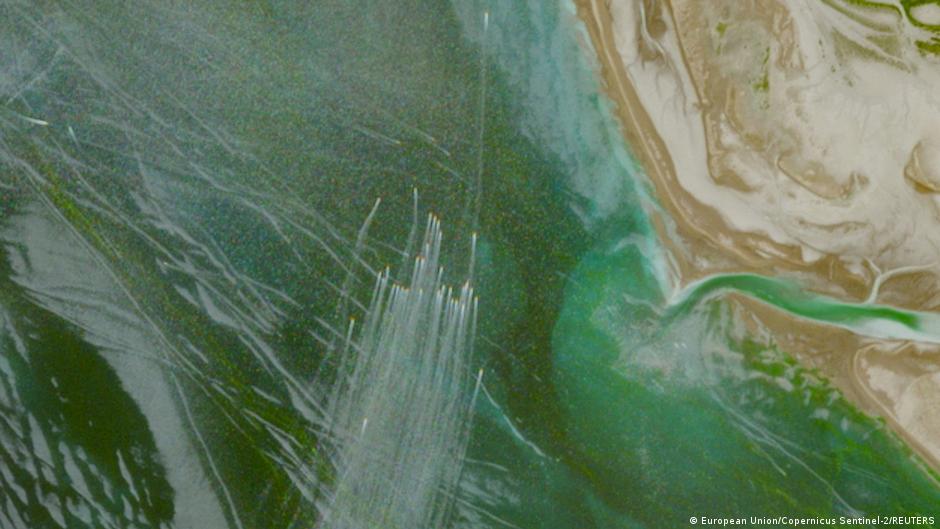
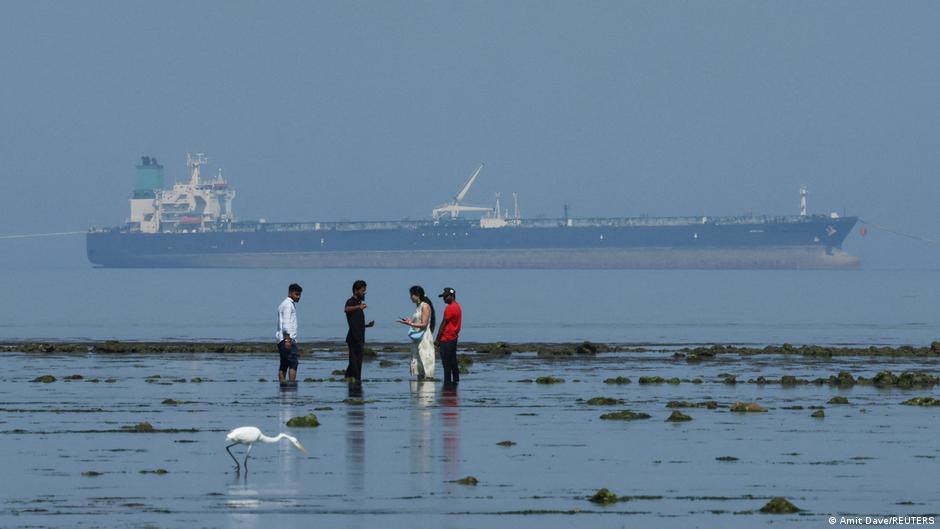
US President Trump and Chinese leader Xi Jinping meet in Beijing to discuss Iran Strait blockade, Taiwan tensions, and trade, signaling potential shifts in global economic dynamics.

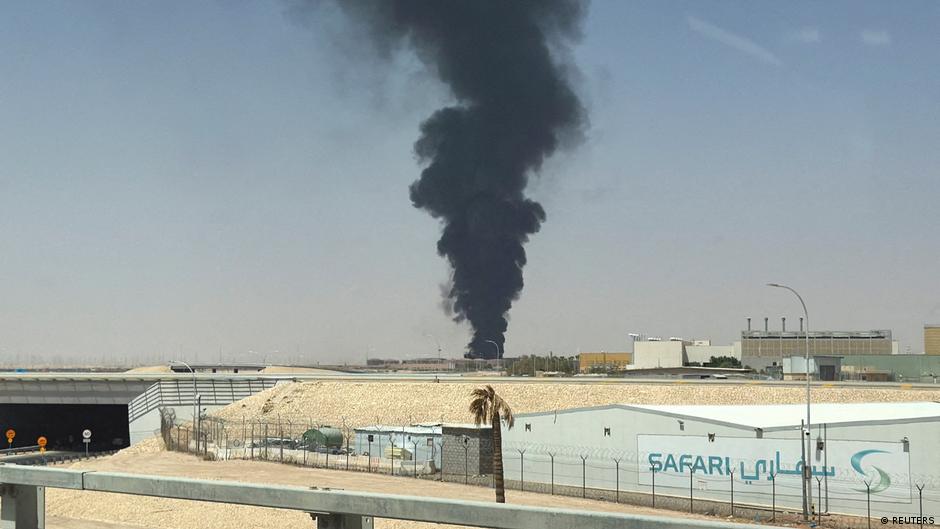
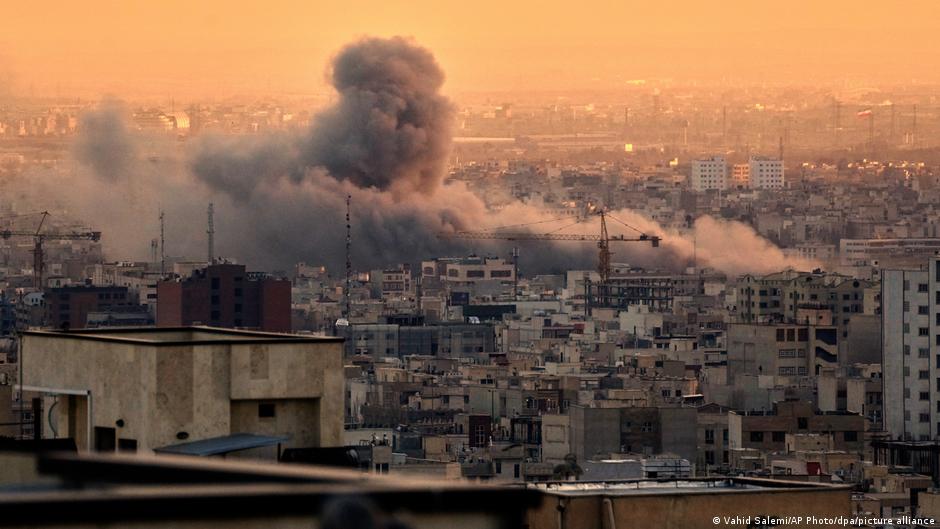
The UAE has secretly conducted military strikes against Iran, marking a strategic shift amid rising Gulf tensions that impact regional stability and global economic interests.

The US considers shifting troops from Germany to Poland amid strategic realignment, reflecting evolving NATO roles and US-European defense policy shifts.

EU leaders are preparing for possible talks with Russia, signaling a strategic shift amid ongoing conflict and geopolitical tensions affecting global economic and policy frameworks.

Activists protested at the Russian pavilion of Venice Biennale demanding representation of political prisoners, igniting debate on cultural diplomacy amid geopolitical conflict.

Global oil inventories fell by a record 200 million barrels in April amid Middle East conflicts, pushing reserves to an eight-year low and signaling potential price hikes.

Iran has presented a 14-point peace plan to the US detailing key conditions to end the Middle East conflict, while Washington remains skeptical about its acceptance.

President Trump announces plans to reduce US troops in Germany significantly, signaling shifts in NATO dynamics and transatlantic defense strategies amid tensions with European allies.

The ifo Institute warns that US auto tariffs could trigger a German recession by 2026 if the EU responds with retaliatory duties, escalating transatlantic trade tensions.
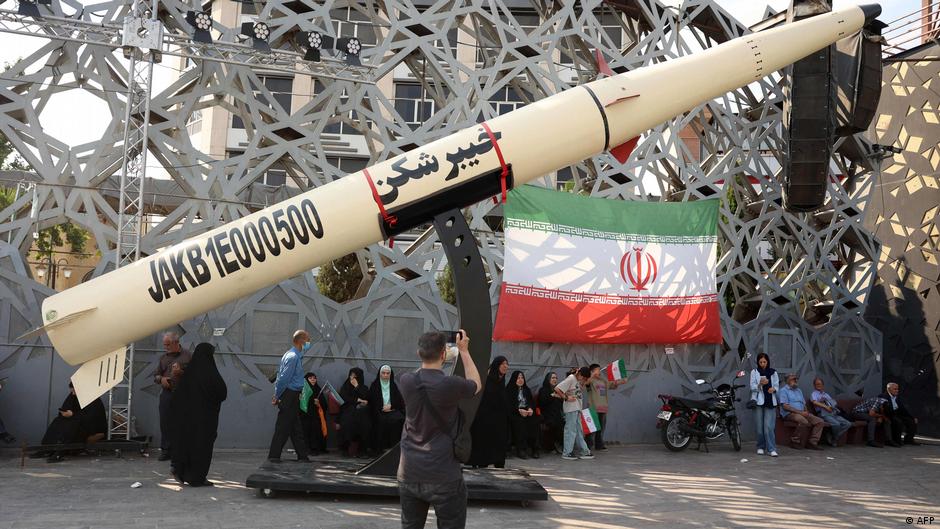
The US Pentagon orders a withdrawal of 5,000 troops from Germany within a year, reflecting strategic military adjustments and signaling shifts in transatlantic defense relations.

US delays arms deliveries to Europe to replenish stockpiles amid Iran conflict, while approving $8.6 billion in arms sales to Middle Eastern allies, signaling shifts in global security priorities.

Italy and Germany call for adherence to international law following Israel’s halt of a humanitarian flotilla to Gaza, emphasizing the need for responsible actions amid complex geopolitical tensions.

Oxfam highlights rising income inequality in Germany as CEO pay surges by 56% since 2019, while average worker wages remain below pre-pandemic levels, posing risks to social and economic stability.

Israeli forces detained multiple humanitarian aid ships from the Global Sumud Flotilla aiming to breach Gaza's maritime blockade, highlighting ongoing geopolitical and economic challenges.

Israel rebuffs Ukraine's protest over a Russian grain ship docking in Haifa, underscoring complex geopolitical and economic challenges amid the Russia-Ukraine conflict.

The US stops sending envoys to Pakistan for Iran talks, citing strategic advantage and logistical inefficiency amid ongoing Middle East ceasefire and diplomatic uncertainty.

Viktor Orban declines his parliamentary seat to focus on party leadership as Hungary’s new government signals major policy reversals impacting EU and Russia relations.

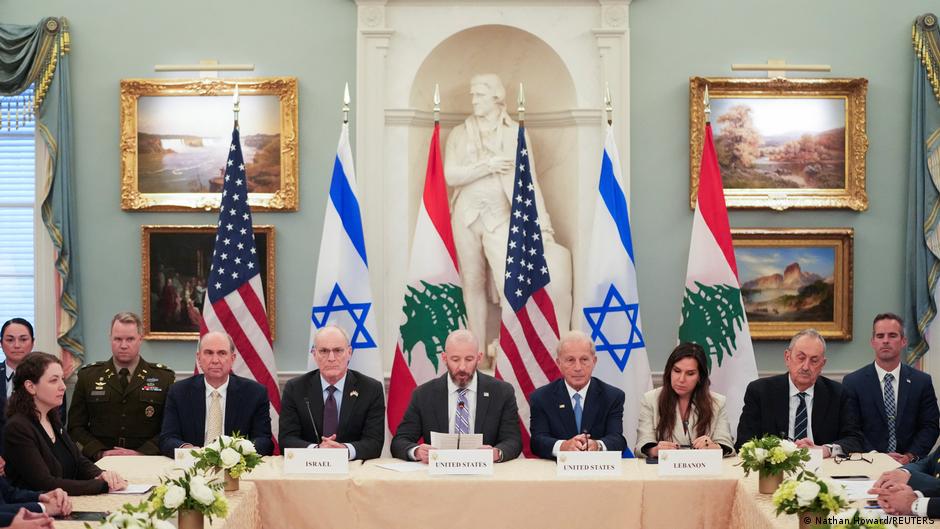
The US announces a three-week extension of the Israel-Lebanon ceasefire, marking historic diplomatic progress with potential long-term regional stability and economic benefits.

Turkey is intensifying efforts to revive Russia-Ukraine peace talks, signaling potential shifts in global geopolitical and economic stability amid ongoing conflicts.

Lufthansa plans to cancel 20,000 flights in 2026 to save over 40,000 tons of jet fuel amid the energy crisis caused by Middle Eastern geopolitical tensions.
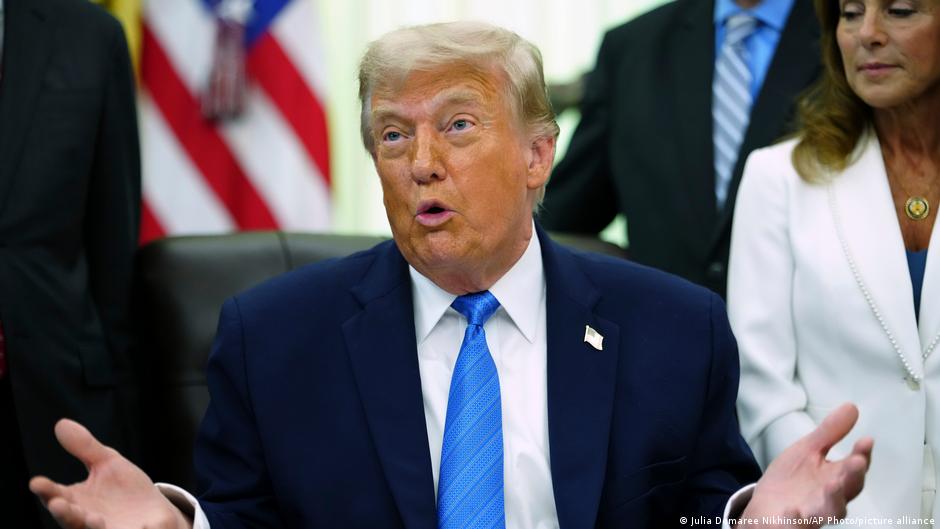
Global airline capacity is projected to decline by 3% in May due to soaring jet fuel costs amid the Iran conflict, posing risks to European and global economies.

President Trump rejects NATO assistance in the Strait of Hormuz, while European nations prepare a peacekeeping mission amid ongoing Middle East tensions.

Germany authorized millions in arms exports to Israel during the US-Israel conflict with Iran, revealing complex export policies amid geopolitical tensions and partial embargoes.