US Military Strikes Iran Following Downing of Apache Helicopter Amid Rising Tensions
US forces launched targeted strikes on Iranian air defense sites after Tehran downed an American Apache helicopter near the Strait of Hormuz.
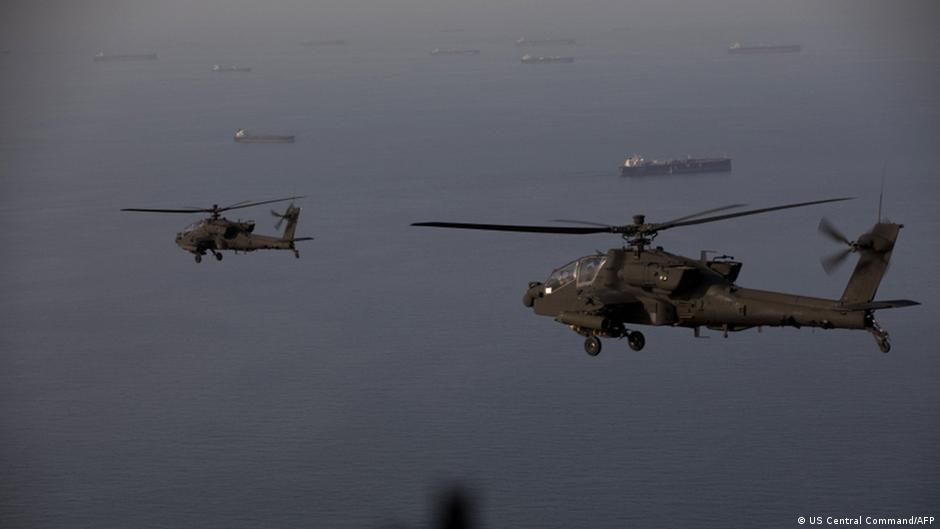
On June 9, the United States military resumed air strikes against Iran in direct response to the downing of a US Apache helicopter over the strategically vital Strait of Hormuz. The US Central Command (CENTCOM) described the operation as a proportionate response to Iranian aggression, escalating an already tense standoff in the Gulf region.
Strategic Implications of the US-Iran Confrontation
According to CENTCOM, the US strikes targeted multiple Iranian air defense systems and radar installations situated near the Strait, a crucial chokepoint for global energy supplies. Iranian media confirmed explosions were heard on the southern coast of Iran near the cities of Sirik, Minab, and the island of Qeshm. This military exchange intensifies the security risks around a vital maritime corridor through which approximately a fifth of the world’s oil passes.
Iranian Foreign Minister Abbas Araghchi issued a stern warning to Washington, signaling Tehran’s readiness to retaliate against any further attacks. "Our powerful armed forces will not leave any attack or threat unanswered," he stated on social media, emphasizing the volatile nature of the conflict and the risk of escalation.
"US forces launched a measured response to Iran’s aggression, but risks of wider conflict in the Gulf remain high." — Security Analyst
Following the US strikes, the Islamic Revolutionary Guard Corps (IRGC) announced it had launched missile and drone attacks against US targets in the region, underscoring the tit-for-tat dynamic characteristic of the conflict.
The Apache helicopter was reportedly downed after a collision with an Iranian drone. While US officials have not clarified whether the encounter was deliberate, it adds a new layer of complexity to the airspace contest over the Strait of Hormuz. Both US pilots were unharmed and safely recovered.
These military actions come amidst heightened regional hostilities. Earlier in June, Iran fired missiles toward Israel for the first time since April, citing Israeli airstrikes on Hezbollah positions in Beirut as the provocation. Israel responded with attacks on Iranian targets, though a temporary ceasefire was announced shortly thereafter.
In parallel with military confrontations, diplomatic efforts continue. US President Donald Trump indicated that a peace agreement with Iran was within reach, describing negotiations as reaching a "very, very good deal" potentially finalizable within days. This juxtaposition of military escalation and diplomatic overtures highlights the fragile and complex nature of US-Iran relations.
Global Economic and Policy Considerations
The renewed US-Iran conflict near the Strait of Hormuz poses significant challenges for global economic stability. The Strait is a critical artery for global oil exports, and disruptions risk triggering volatility in energy markets, potentially driving up oil prices and exacerbating inflationary pressures worldwide.
Senior policymakers must weigh the risks of further military escalation against diplomatic opportunities. Continued hostilities threaten to destabilize an already volatile region, complicating international supply chains and undermining efforts to stabilize global energy markets.
Strategic decisions in Washington and Tehran will not only influence regional security dynamics but also have far-reaching consequences for global economic growth and energy security. The current situation underscores the importance of coordinated international engagement to mitigate the risk of wider conflict and economic disruption.