Russia’s July Oil Revenues May Surge 60% Year-on-Year Amid Rising Global Prices
Higher global oil prices could boost Russia’s July oil and gas revenues by 60%, despite ongoing EU sanctions targeting its energy sector.
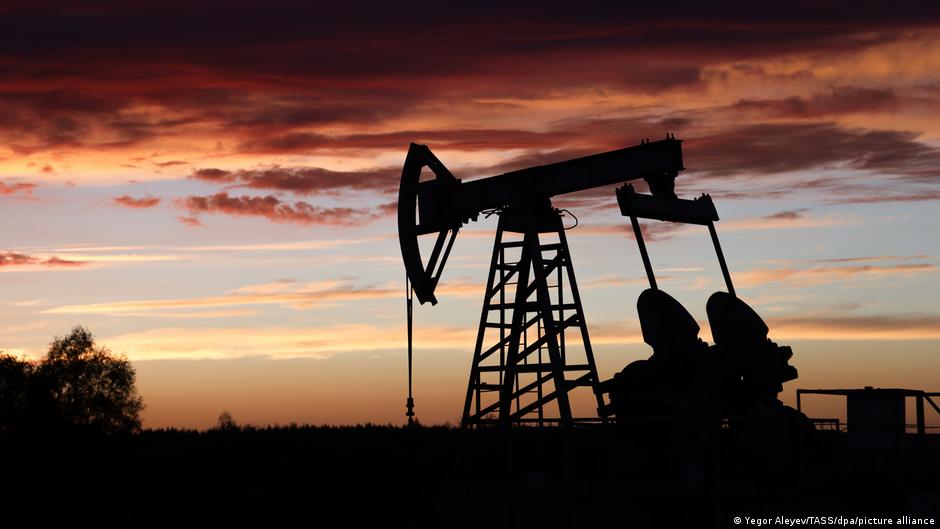
Russia’s revenues from oil and gas sales in July 2026 are projected to exceed those of July 2025 by approximately 60%, driven primarily by rising global crude prices, according to recent assessments by Reuters. This development comes amid ongoing geopolitical tensions and sanctions that aim to curb Russia’s energy income.
Oil Revenues and Fiscal Implications
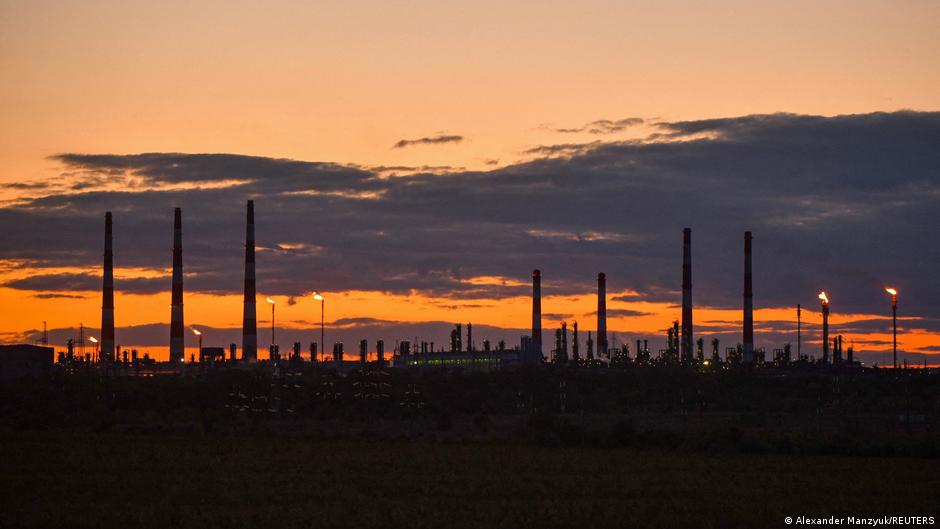
As the world’s third-largest oil producer and exporter behind the United States and Saudi Arabia, Russia’s energy sector remains a critical pillar of its national budget. Oil and gas revenues account for nearly one-fifth of total federal budget receipts. The recent revenue growth is attributed mainly to higher international oil prices and a significant increase in profit tax receipts from oil extraction observed in the second quarter of 2026.
"Rising oil prices have temporarily bolstered Russian energy revenues, despite international efforts to restrict them."
However, a broader year-to-date analysis signals a more complex fiscal picture. Reuters’ data indicate that total oil and gas revenues from January through July 2026 are likely to fall about 11% short of last year’s figures, amounting to roughly 4.9 trillion rubles. The Russian Ministry of Finance is expected to release official July revenue figures by August 5.
In 2025, Russia’s federal budget income from oil and gas declined by 24% to 8.48 trillion rubles, marking the lowest level since 2020. This downturn primarily reflected the impact of Western sanctions and market fluctuations.
Sanctions and Strategic Economic Adjustments
On July 23, the European Union implemented its 21st package of sanctions against Russia, which includes measures designed to limit Russia’s oil-related budget revenues. EU policymakers argue these sanctions are intended to restrict Russia’s financial capacity to sustain its ongoing military actions in Ukraine.
These sanctions, combined with global market dynamics, signify a shifting landscape for Russia’s energy exports. While short-term revenue spikes may occur due to price volatility, longer-term effects could include reduced market access, altered production incentives, and fiscal strain.
For senior policymakers and global economic strategists, understanding these developments is crucial. Russia’s fluctuating oil revenues will influence global energy markets, geopolitical alignments, and economic stability in regions reliant on Russian energy. Moreover, how Russia adapts its fiscal and energy policies in response to external pressures could reshape international economic relations and energy security paradigms in the years ahead.