Drone Attacks on Russian Cities Highlight Rising Security and Economic Risks
Recent UAV strikes on Belgorod, Rostov-on-Don, and Engels underscore escalating tensions with potential ramifications for regional economic stability and infrastructure resilience.
In the early hours of July 25, drone strikes targeted multiple Russian cities—Belgorod, Rostov-on-Don, and Engels—resulting in fires and damage to critical infrastructure. These incidents illustrate the growing vulnerability of strategic assets in the region and foreshadow broader economic and policy challenges amid ongoing conflicts.
Escalating Threats to Infrastructure in Key Russian Regions
Acting Governor of Belgorod Oblast, Alexander Shuvaev, confirmed that unmanned aerial vehicles (UAVs) attacked the region's capital during the night, causing fires and damage along public streets. While specific details remain limited, emergency services were deployed to manage the resulting blazes, and casualties were reported, though exact figures have not been disclosed.
Independent monitoring sources indicate that the strikes in Belgorod specifically targeted logistic warehouses and vital energy infrastructure, including the Southern substation and the "Luch" thermal power plant. This disruption to energy supply infrastructure raises concerns about the resilience of regional grids and the potential for cascading economic effects in local industries dependent on stable power.
Simultaneously, Rostov-on-Don, a major administrative and economic hub in southern Russia, also came under drone attack. The city’s mayor, Alexander Skryabin, acknowledged the incident without elaborating on the scope or damage inflicted, while social media users posted images showing fires in at least one location within the city.
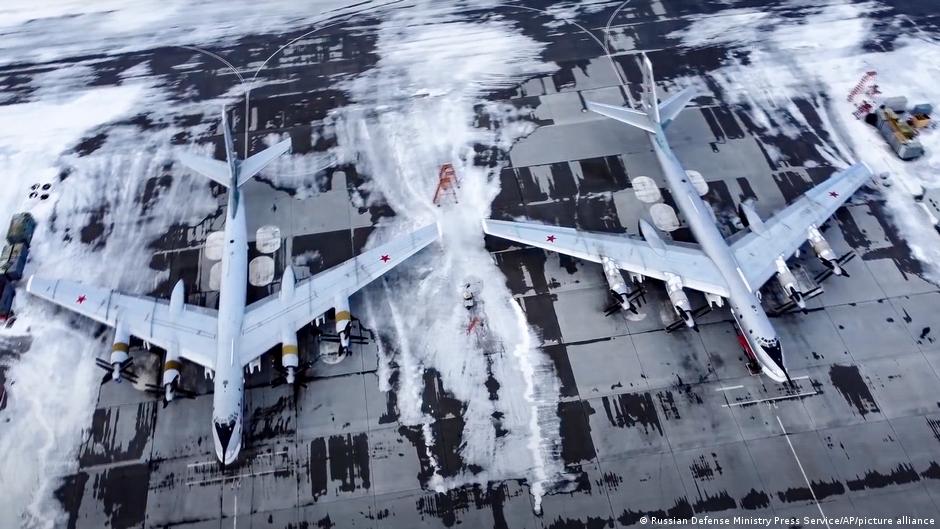
Perhaps most notably, a significant fire was reported at Engels air base in Saratov Oblast. This military installation has strategic importance as the home to the 22nd Guards Heavy Bomber Aviation Division, which operates Russia’s long-range bomber fleet, including the Tu-95MS aircraft used in attacks on Ukraine. Although initial media and eyewitness reports suggest the fire resulted from a spontaneous blaze rather than a direct UAV strike, the timing coincided with a declared "drone threat" alert in the region. This ambiguity highlights the complex security environment surrounding military assets.
"The Engels air base has been repeatedly targeted by UAVs since the start of the conflict, underscoring persistent vulnerabilities in strategic military infrastructure."
Macro-Economic and Policy Implications
These coordinated drone incidents underscore a shift in conflict dynamics, where adversaries increasingly leverage unmanned aerial technologies to disrupt critical infrastructure and military capabilities deep within Russian territory. The economic consequences are multifaceted:
- Infrastructure Resilience: Damage to energy and logistics hubs threatens supply chain continuity and could exacerbate inflationary pressures by disrupting industrial production and energy availability.
- Military Posture and Expenditure: The evident vulnerability of key military bases may necessitate increased defense spending on air defense systems and counter-drone technologies, diverting resources from other economic priorities.
- Regional Economic Stability: Cities like Belgorod and Rostov-on-Don serve as vital economic centers; repeated attacks could deter investment, hinder labor mobility, and degrade public confidence.
From a policy perspective, these developments may compel Russian authorities to reassess domestic security frameworks and energy infrastructure protection measures. Moreover, the international community should anticipate heightened geopolitical tensions and the potential for escalation as drone technologies proliferate and are increasingly integrated into asymmetric warfare strategies.
In sum, the July 25 drone strikes symbolize an evolution in conflict tactics with profound economic ramifications. For global decision-makers, understanding these dynamics is crucial for anticipating supply chain disruptions, regional market volatility, and shifts in defense and energy policy amid protracted geopolitical instability.