Iran Replenishes Missile Stockpiles with Possible Russian Support Amid Regional Tensions
Iran has restored about three-quarters of its pre-conflict missile arsenal, potentially aided by recent Russian arms transfers, according to intelligence reports.
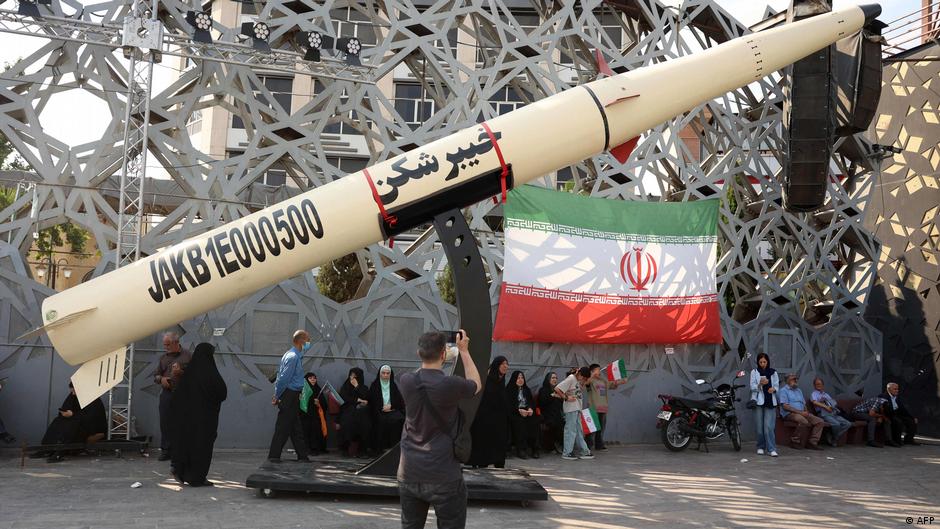
Recent intelligence assessments indicate that Iran has managed to replenish its missile inventory to approximately 75% of levels prior to recent escalations in the Middle East. This restoration appears to have been facilitated during an eight-week ceasefire with the United States, during which new weapons, including missiles likely produced in Russia within the last year, were reportedly transferred to Tehran.
Strategic Implications of Iran's Missile Restoration
According to security sources cited by Bloomberg, Iran leveraged the ceasefire period to not only restore but also augment its missile capabilities, ensuring sufficient firepower to mount a substantial retaliatory strike if hostilities resume. This replenishment challenges earlier U.S. intelligence estimates that projected Iran's missile stockpiles had diminished to between 21-60% of pre-conflict quantities due to Israeli and American attacks.
Many Iranian ballistic missiles and their launch platforms were believed to be damaged or buried under debris in underground storage facilities. Analysts suggest Tehran utilized ceasefire conditions to clear access routes to these arsenals and relocate munitions to secure locations, thereby mitigating prior losses.
"Maintaining a significant inventory alongside continued production of low-cost UAVs complicates U.S. strategic calculations regarding further strikes," noted Kelly Grigore, a senior fellow at the Stimson Center.
Indeed, Iran's ongoing manufacturing capacity for Shahed drones, which it deploys more frequently than ballistic missiles, underscores the country's resilience in sustaining asymmetric warfare capabilities.
Meanwhile, the Pentagon has not publicly confirmed Russian involvement in recent arms transfers, and the Russian Defense Ministry has declined to comment on these intelligence claims.
Broader Economic and Geopolitical Consequences
The potential Russian support for Iranian missile replenishment signifies a complex geopolitical alignment that may exacerbate regional instability and prolong conflict dynamics. Such developments could impact global energy markets, especially given Iran's strategic position near the Strait of Hormuz — a critical chokepoint for global oil shipments.
U.S. President Donald Trump has announced intentions to sign a peace agreement with Iran by mid-June, coinciding with his 80th birthday, promising to reopen the Strait of Hormuz and alleviate associated fuel supply disruptions. However, Iranian officials have dismissed the likelihood of a formal agreement within this timeline, reflecting ongoing negotiation challenges.
Prolonged uncertainty over peace prospects and continued military replenishment by Iran may sustain volatility in global markets and complicate policy decisions by international stakeholders seeking stability in the region.


