U.S. Senate Advances Graham Sanctions Bill Targeting Russia Amid Bipartisan Support
The U.S. Senate moves forward on imposing stringent tariffs on Russia and its allies, signaling a prolonged geopolitical and economic stance.
On July 28, the U.S. Senate approved the procedural vote to advance a landmark sanctions bill targeting Russia and Iran, originally coauthored by the late Senator Lindsey Graham. The vote was notable for its overwhelming bipartisan support, with 86 senators in favor and only 12 opposed.
The legislation grants the U.S. president the authority to impose tariffs as high as 500% on imports from Russia and 100% on imports from countries that purchase Russian oil, uranium, natural gas, or assist Russia in circumventing sanctions. These enhanced powers would extend for a period of five years, reflecting a strategic intent to maintain economic pressure on Russia amid ongoing geopolitical tensions.
Strategic Implications and Political Context
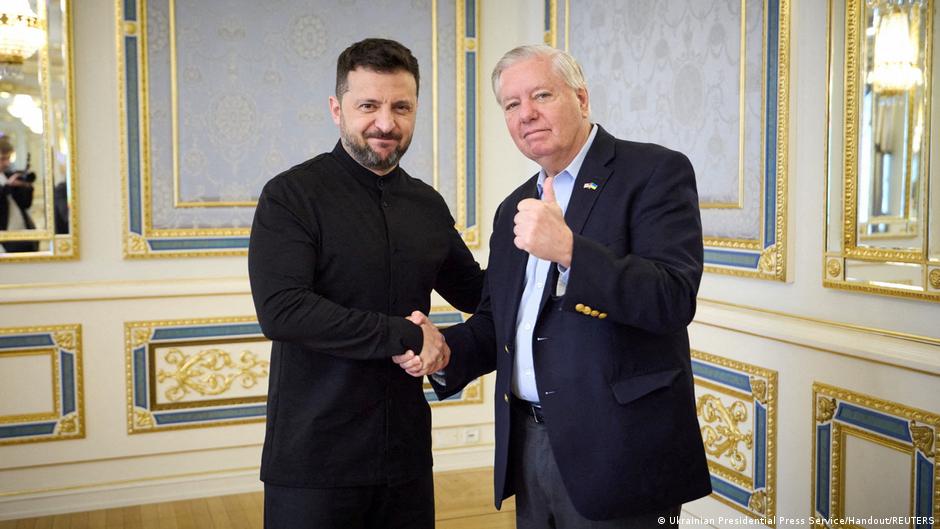
This decisive Senate action occurred hours after a formal tribute to Senator Graham, a prominent advocate for robust sanctions against Russia and Iran. Ukrainian President Volodymyr Zelensky was present during both the ceremony and the subsequent vote, underscoring the bill's geopolitical significance. That same day, Zelensky met with President Donald Trump, further highlighting U.S.-Ukraine collaboration on security matters, including discussions on anti-ballistic missile defenses.
"It was an honor to witness the vote count—86 senators supported the bill. This is the first step toward realizing Lindsey’s vision and a definite move toward peace," Zelensky remarked via Telegram, emphasizing the importance of this legislative tool.
Previously, President Trump had expressed reservations about the bill, seeking broader executive authority over sanction imposition and removal. However, following Senator Graham’s passing and with bipartisan revisions to the bill, the administration’s position has softened. This shift reflects a nuanced recalibration of U.S. sanctions policy, balancing assertiveness with political consensus.
The bill’s advancement signals a significant policy shift toward more aggressive economic leverage against Russia, aiming to disrupt its energy exports and curtail its ability to evade restrictions through third-party nations. The sanctions framework is designed to exert sustained economic pressure, potentially influencing Russia’s strategic calculations over the medium to long term.
Final Senate approval is expected later this week, though enactment will likely be delayed until September due to the House of Representatives’ summer recess. The bill’s passage and implementation would therefore mark a defining moment in U.S. economic policy toward Russia, with broad implications for global trade dynamics and energy markets.