US Senate Confirms Jay Clayton as Director of National Intelligence Amid Bipartisan Concerns
Jay Clayton appointed to lead the US intelligence community, raising questions on experience and potential policy shifts.
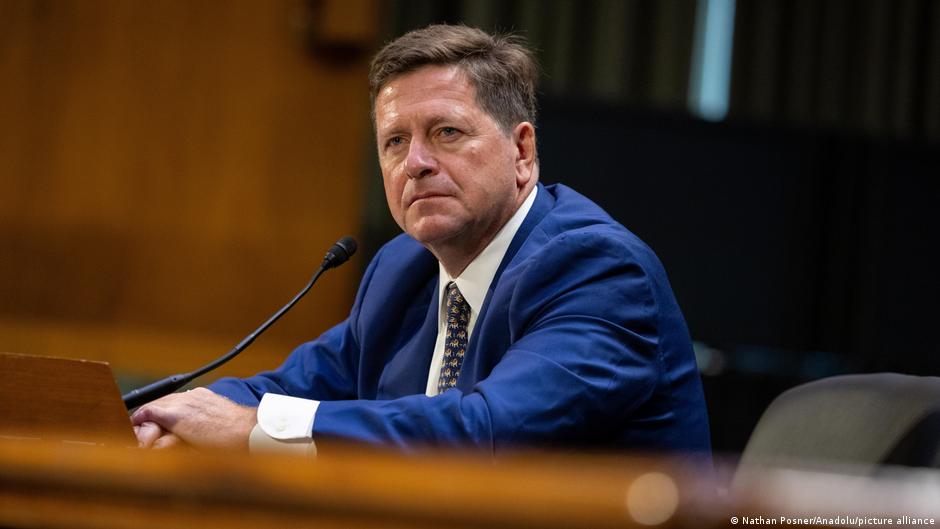
The US Senate has confirmed Jay Clayton, former Southern District of New York prosecutor, as the new Director of National Intelligence (DNI) in a closely contested vote. The nomination passed with 51 senators in favor and 47 against, with all Democrats opposing the appointment.
Political and Institutional Context
Clayton's confirmation marks a significant transition in the leadership of the US intelligence community, which coordinates 18 agencies including the CIA, NSA, and the Department of Defense's Defense Intelligence Agency. Despite his extensive legal background, Clayton lacks direct experience in intelligence or national security, prompting bipartisan debate about his suitability for the role.
"The National Intelligence Directorate requires both legal expertise and deep understanding of security threats; Clayton's appointment reflects an unconventional choice that could signal shifts in policy priorities."
Initially welcomed by Democrats as a more acceptable alternative to acting DNI William Pulte, who had drawn criticism for his lack of relevant experience and controversial decisions, Clayton's confirmation process revealed sharp political divides. Senators from the Democratic Party repeatedly questioned Clayton about the legitimacy of the 2020 presidential election, to which he responded cautiously, acknowledging that Joe Biden was "recognized" as the winner. This stance came amid former President Donald Trump's persistent but unsubstantiated claims of electoral fraud.
Clayton’s prior roles include serving as the head of the Securities and Exchange Commission (SEC) and prosecuting high-profile cases, notably leading investigations into illegal drug trafficking linked to Venezuela’s former leader Nicolás Maduro. His legal expertise in financial regulation and law enforcement contrasts with the typical intelligence background of previous DNIs.
Implications for National Security and Economic Policy
The appointment of a DNI without traditional intelligence credentials may reflect an evolving approach to national security that integrates legal and economic dimensions more closely. Given Clayton’s SEC background, his leadership might bring increased emphasis on cyber financial threats, economic espionage, and regulatory enforcement within intelligence priorities.
Meanwhile, the tenure of William Pulte as acting DNI saw significant organizational restructuring, including a 30% reduction in staff within the intelligence coordination office. This downsizing raises questions about the intelligence community's capacity to address complex global threats and maintain operational efficiency in a rapidly changing geopolitical environment.
For global markets and economic strategists, Clayton’s leadership could influence the interface between intelligence gathering and financial regulation, especially concerning foreign interference, sanctions enforcement, and the evolving landscape of economic security. His appointment underscores the Trump administration’s tendency to prioritize legalistic and regulatory expertise in national security roles, potentially affecting long-term policy frameworks.
Former DNI Tulsi Gabbard resigned in May citing personal reasons, which precipitated the current leadership transition. The Senate’s narrow approval of Clayton signals ongoing partisan tensions over intelligence oversight and the political direction of US national security operations during a period of significant global uncertainty.
As Clayton assumes office, observers will closely monitor how his leadership reshapes intelligence priorities, balances legal and security imperatives, and navigates the complex challenges posed by geopolitics, economic competition, and technological threats worldwide.


