Austria Plans to Extend Mandatory Military Service Amid Rising Security Concerns
Austrian government proposes lengthening conscription to nine months to enhance defense readiness in response to evolving geopolitical threats.
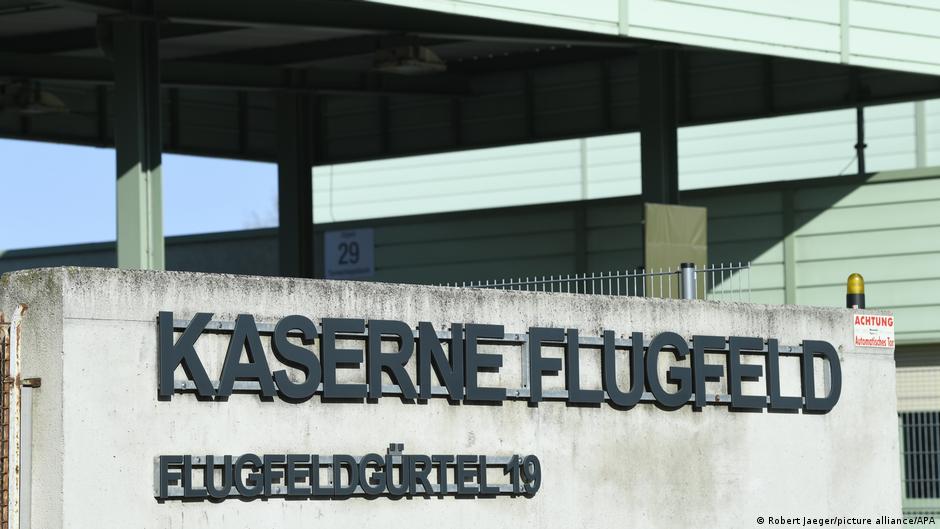
Austria is set to increase the duration of its mandatory military service from six to nine months, according to a government announcement on July 27. This development follows extensive negotiations among the ruling coalition parties: the conservative Austrian People's Party (ÖVP), the Social Democratic Party (SPÖ), and the liberal Neos party. The legislative amendment, still awaiting parliamentary approval, aims to bolster the country's defense capabilities amid a shifting security landscape in Europe.
Strategic Rationale Behind the Reform
The proposed reform introduces compulsory field training exercises following the initial six months of basic training. Furthermore, reservists will be required to participate in periodic exercises anytime within a ten-year window. These measures align with recommendations from an expert commission tasked with modernizing Austria’s defense framework.
"Simply acquiring new equipment is insufficient if our soldiers lack adequate practical experience in handling it during emergencies," commented Federal Chancellor Christian Schallenberg, underscoring the need for enhanced military preparedness.
The reforms are a direct response to the deteriorating security environment caused by Russia’s invasion of Ukraine and emerging hybrid threats such as cyberattacks and risks to critical infrastructure. Austria’s longstanding vision of stable peace in Europe has been challenged, necessitating a recalibration of defense policies.
Economic and Policy Implications
To improve recruitment and retention, the government plans to increase conscript pay to approximately €1,000 per month and introduce paid leave during service. These incentives aim to make military service more attractive, addressing concerns about manpower shortages. Additionally, the reform includes provisions to extend the currently voluntary nine-month civilian service by two months starting in 2027, with mandatory extensions possible from 2028 if recruitment targets are not met.
As a militarily neutral country outside NATO, Austria’s decision to lengthen conscription signals a significant policy shift, reflecting broader European trends toward strengthening national defense in response to geopolitical instability. The changes are slated to take effect on January 1, 2027, pending the parliamentary supermajority required for passage. The coalition government is also actively seeking support from the Freedom Party of Austria (FPÖ) and the Greens to secure the necessary votes.
Long-Term Economic Consequences
Extending conscription has potential macroeconomic impacts. The increased labor commitment may temporarily reduce civilian workforce participation, particularly among younger cohorts, affecting labor supply dynamics. Conversely, enhanced military training and readiness may mitigate security risks that can disrupt economic activity, including infrastructure vulnerabilities highlighted by hybrid threats.
Moreover, increased military expenditure on personnel compensation and training could influence public budgets. However, by investing in a more capable defense force, Austria aims to safeguard its critical infrastructure and economic stability against emerging threats, ultimately supporting long-term growth and resilience.
Austria’s decision highlights the shifting balance between neutrality and proactive defense measures in Europe’s evolving security environment. Senior economic policymakers and business leaders should monitor these developments carefully, as they may presage similar moves in other neutral or non-aligned European nations, potentially altering regional economic and geopolitical dynamics.