US Forces Intercept Iranian Ballistic Missiles Amid Heightened Middle East Tensions
US military reports successful interception of ballistic missile attack launched from Iran targeting American forces in the Middle East.
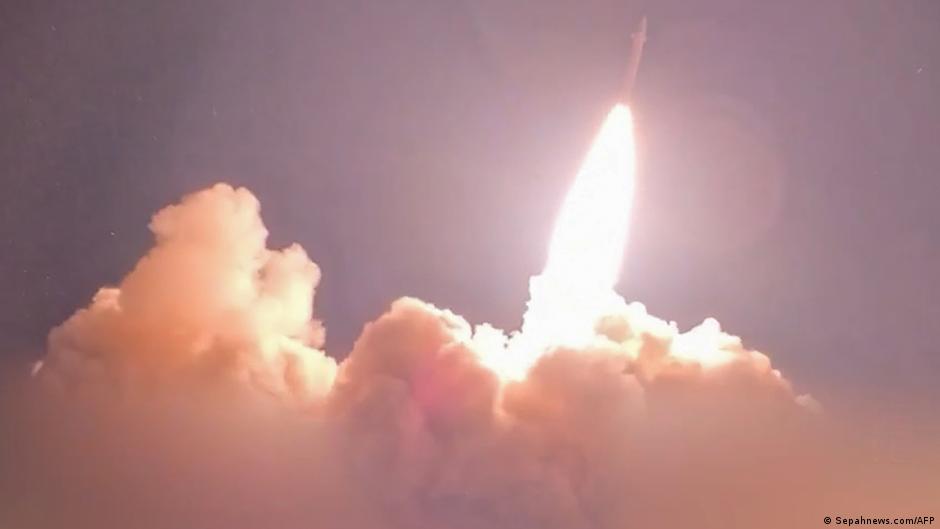
The United States military has reported the interception of several ballistic missiles launched from Iranian territory aimed at US forces stationed in the Middle East. This development marks a significant escalation after a recent period of relative restraint between the two sides.
The Islamic Revolutionary Guard Corps (IRGC) initiated what was described as an "attempted surprise attack" by firing multiple ballistic missiles toward American military positions in the region. The US Central Command (CENTCOM) confirmed on the night of July 29 that all incoming projectiles were successfully neutralized.
CENTCOM emphasized that US forces in the area remain vigilant and maintain a high level of combat readiness to respond to further threats. This announcement follows reports from American media indicating that Iran targeted a US base in Jordan with missile fire, marking the first such attack since then-President Donald Trump halted strikes against Iranian targets.
Context and Strategic Implications
In the span from July 12 to July 24, the United States conducted nighttime airstrikes against military installations within Iran, aiming to degrade Tehran's capacity to threaten commercial shipping lanes in the strategically vital Strait of Hormuz. Despite a framework peace agreement, the IRGC has continued to launch attacks against commercial tankers in the region, while Iran has targeted nearby countries’ territories, explicitly citing American military bases as objectives.
On July 21, former President Trump escalated tensions further by threatening "multiple" retaliatory strikes in response to Iranian actions that resulted in the deaths of three US military personnel, according to CENTCOM.
Following this period of escalation, both sides refrained from additional attacks after July 24. According to reporting by The New York Times, President Joe Biden convened senior advisors and cabinet members that day and decided to postpone further large-scale strikes against Iran. This decision was influenced by concerns over the depletion of interceptor missile stocks, such as those used in Patriot air defense systems, and the potential consequences for global energy markets and economic stability.
"The decision to delay further military action reflects a balancing act between maintaining regional security and avoiding a broader economic crisis," said one defense analyst.
From a macroeconomic perspective, these developments have critical implications for global energy supply chains and international trade. The Strait of Hormuz remains one of the world’s most important chokepoints for oil transportation, and increased military activity heightens the risk of disruption, potentially driving up energy prices and exacerbating inflationary pressures worldwide.
Moreover, the strain on US missile defense resources signals a shift in strategic calculations, highlighting the challenge of sustaining prolonged military engagements without jeopardizing defense capabilities. Policymakers must weigh the immediate security benefits against long-term economic risks and the potential for broader geopolitical instability.
In summary, the recent missile exchange between Iran and US forces underscores the fragile security environment in the Middle East and its wider ramifications. Senior decision-makers must monitor these dynamics closely as they develop strategies that consider both defense imperatives and the sustenance of global economic stability.