US and Iran Agree to Temporary Ceasefire Ahead of Strategic Strait Talks
Washington and Tehran commit to halting attacks until June 30 to discuss shipping freedom in the vital Strait of Hormuz.
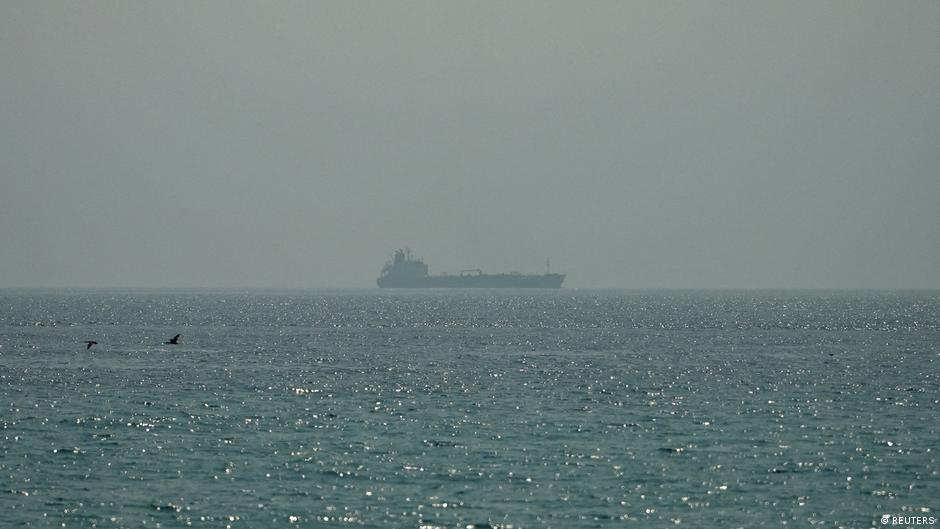
The United States and Iran have agreed to a temporary cessation of hostilities, at least until a scheduled meeting on June 30 in Qatar aimed at addressing the resumption of free navigation through the Strait of Hormuz, Axios reports, citing a Washington source.
Strategic Implications of the Strait of Hormuz Ceasefire
This agreement comes after renewed military exchanges between the two countries, underscoring the geopolitical volatility surrounding one of the world’s most critical maritime chokepoints. Currently, the Strait of Hormuz is only partially open, with Iran requiring vessels to coordinate their routes with its military command. Tehran has yet to authorize full demining operations, restricting shipping lanes to two narrow corridors.
"The level of traffic through the Strait remains below half of pre-conflict volumes, despite US declarations to fully open the waterway," the source noted.
On June 26-27, despite the declared truce, major strikes were exchanged. The US targeted several Iranian coastal bases following Iranian attacks on two commercial vessels traversing the strait, which Tehran justified by citing unauthorized deviations from approved routes under the Islamic Revolutionary Guard Corps’ supervision. In retaliation, Iranian forces struck US military bases in Kuwait and Bahrain, causing significant damage, particularly to a base in Bahrain.
The intermittent breaches of the ceasefire, officially in place since April 8, highlight the fragility of the current détente and the high-risk nature of the region’s security environment.
Economic Reverberations and Future Outlook
Markets had anticipated the reopening of the Strait of Hormuz following a June 17 memorandum of understanding between Washington and Tehran, with oil futures declining accordingly. On June 24, Brent crude prices dropped to $73.22 per barrel, marking the lowest since February 27, just before US and Israeli strikes on Iran. West Texas Intermediate (WTI) crude traded at $69.87 the same day.
However, this ceasefire is provisional. Within 60 days of the memorandum, the two governments are expected to negotiate critical issues including Iran’s nuclear program, US troop withdrawals from neighboring countries, and whether Iran will levy transit fees on vessels passing through the strait. No public updates have emerged regarding the progress of these talks.
Given the strait’s role as a conduit for a substantial portion of global oil exports, the resumption of free navigation would ease energy market uncertainties and reduce the risk premium currently embedded in oil prices. Conversely, failure to reach a lasting agreement could exacerbate regional tensions and disrupt global energy supplies, with significant macroeconomic consequences.