US-Iran Negotiations Shift to Switzerland Amid Regional Conflict and Economic Stakes
US special envoy Stephen Witkoff travels to Switzerland for nuclear deal talks with Iran, delayed due to regional tensions and ceasefire demands.
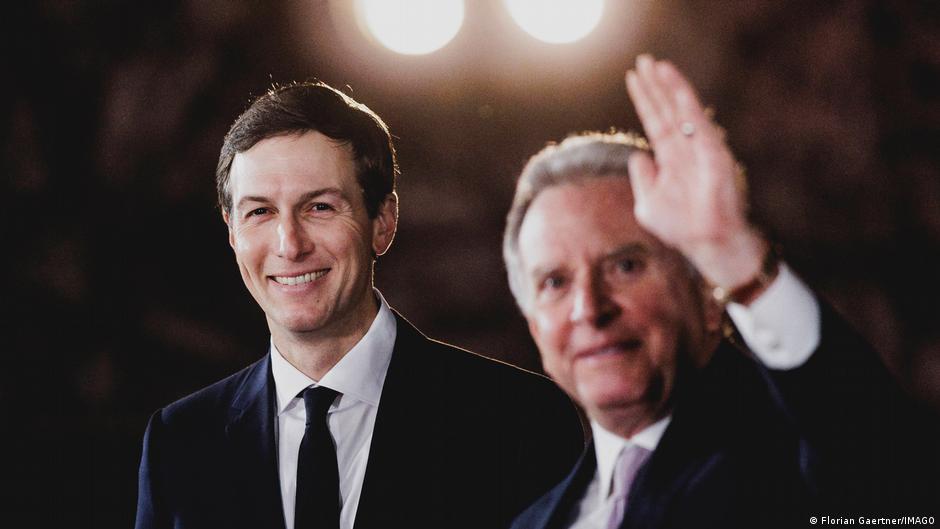
The US special envoy Stephen Witkoff has departed for Switzerland to engage in preliminary discussions with Iranian representatives regarding the nuclear deal, marking a critical juncture in renewed diplomatic efforts. Originally scheduled for June 19, the high-level talks were postponed amid persistent conflicts in Lebanon and regional instability, illustrating the complex interplay between geopolitical security and economic diplomacy.
Geopolitical Dynamics Impacting Economic Negotiations
The negotiations, aimed at reviving the nuclear agreement, include key intermediaries such as Qatar's Prime Minister Sheikh Mohammed bin Abdulrahman Al Thani, who arrived in Switzerland on June 19. Iranian Foreign Minister Abbas Araghchi was also expected to join by June 20, though his attendance remains uncertain due to shifting regional dynamics.
One of the central Iranian demands is an immediate ceasefire in Lebanon, where fighting continues between Israeli forces and Hezbollah, an Iranian-backed Shiite militant group. This ceasefire is considered vital for Iran to proceed with talks, reflecting how security concerns are intertwined with broader economic and diplomatic negotiations.
"The critical importance of ceasing hostilities in Lebanon is a prerequisite for Iran’s engagement in the talks," a diplomatic source noted.
The proposed memorandum of understanding initially slated for signing on June 19, which would have triggered a 60-day negotiation period for finalizing a peace accord, remains unsigned in person. Instead, it was signed remotely on June 17. The memorandum includes provisions for a cessation of hostilities along all fronts, including Lebanon, and envisages robust economic incentives for Iran.
Among these incentives is the proposed allocation of $300 billion from a private investment fund for Iran’s reconstruction efforts, alongside the unblocking of $24 billion in Iranian assets. US President Donald Trump publicly criticized Iran for delaying the talks, asserting that no financial transfers would be made without clear progress.
The postponement highlights the fragility of diplomatic engagements amid ongoing conflicts. Moreover, the participation of US intermediaries, such as Jared Kushner and the uncertain attendance of US Vice President David James Vance, underscores the high political stakes and the administration’s strategic approach to these negotiations.
From a macroeconomic perspective, the talks have significant implications. A successful agreement could unlock substantial financial flows into Iran, potentially altering regional economic balances and impacting global energy markets. Conversely, continued delays and instability risk prolonging economic sanctions and undermining investor confidence in the region.
For senior decision-makers, the evolving situation necessitates vigilance over the intersection of geopolitical conflicts and economic policy shifts. The outcome of the US-Iran negotiations will not only influence Middle Eastern stability but also reverberate through international markets and global economic forecasts.