US Halts Military Strikes on Iran Amid Promising Peace Talks with Regional Backing
President Trump suspends planned attacks following progress in negotiations supported by multiple Middle Eastern nations.
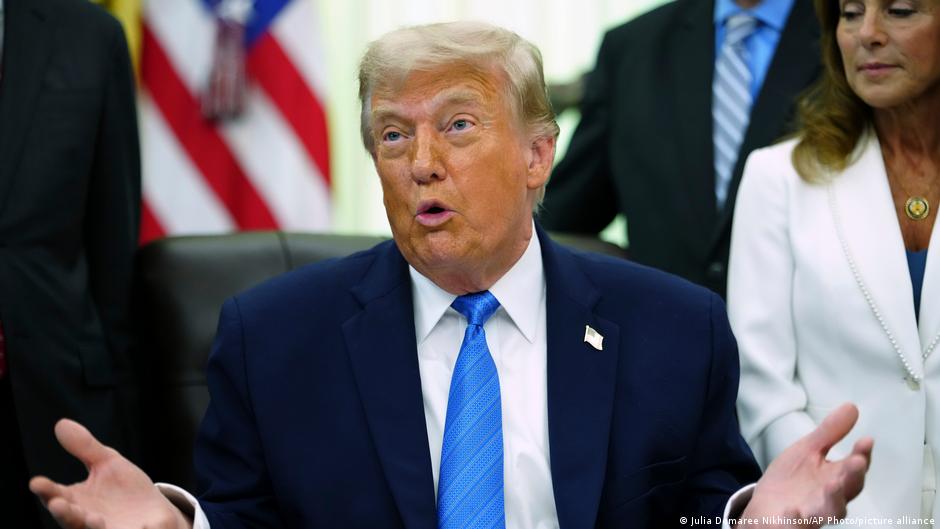
In a notable shift in US-Iran relations, President Donald Trump announced the cancellation of planned airstrikes against Iran, citing recent diplomatic progress. The decision comes after discussions involving Iran's highest leadership and a broad coalition of regional stakeholders.
Regional Consensus and Prospects for Stability
Trump declared on June 11 that the previously scheduled bombardments targeting Islamic Republic facilities were called off because the negotiations have advanced to Iran’s senior leadership. He emphasized that the final terms of the deal have also garnered consensus among key regional actors including Israel, Saudi Arabia, the United Arab Emirates, Qatar, Turkey, Pakistan, Bahrain, Kuwait, Jordan, and Egypt. The US-led naval blockade remains in effect until the agreement is finalized.
"The naval blockade will remain fully enforced until the deal is completed—details on timing and venue will be announced soon," Trump stated.
According to Trump, the so-called "magnificent agreement" with Tehran could be signed imminently, potentially over the weekend in Europe. While he will not attend due to his 80th birthday, Vice President J.D. Vance is expected to represent the US. The pact is designed to ensure Iran will never acquire nuclear weapon capability and to reopen the strategically critical Strait of Hormuz for global oil transit.
This diplomatic development contrasts with earlier rhetoric from the US administration. Hours before suspending the strikes, Trump expressed intentions to seize Iran’s key oil hub, Khark Island, and hinted at even more extensive military action. However, he also expressed reluctance to target infrastructure such as bridges and power plants.
Iran’s government has yet to finalize its approval of the deal, with Foreign Ministry spokesperson Esmail Baghaei stating that no definitive decision has been made. Iran's parliamentary speaker Mohammad Bagher Ghalibaf warned Washington against impulsive military actions, suggesting such moves would entrap the US in a protracted conflict.
Meanwhile, US Central Command resumed strikes on June 10 in response to what it described as persistent Iranian aggression. The US Defense Secretary Pete Hegseth clarified that the objective of military pressure remains to enable diplomatic resolution rather than escalate war.
The situation has seen reciprocal military exchanges, with Iran reportedly launching ballistic missile attacks against US bases in the Persian Gulf and Jordan. Air defense alerts were noted in Kuwait and Bahrain, and Tehran reiterated its closure of the Strait of Hormuz, threatening attacks on any vessels attempting passage.
Macroeconomic and Geopolitical Implications
The thaw in US-Iran tensions and the prospect of a comprehensive regional agreement carry profound implications for global energy markets and geopolitical stability. The Strait of Hormuz is a vital chokepoint through which approximately 20% of the world’s petroleum passes. Its reopening would alleviate a significant source of supply risk, potentially stabilizing oil prices and reducing volatility in energy markets.
Furthermore, the involvement of multiple Middle Eastern countries suggests a broader regional framework for managing security and economic cooperation, which could recalibrate alliances and trade flows. A peaceful resolution may also ease sanctions-related pressures on Iran’s economy, impacting global markets for commodities and investment.
However, uncertainties remain given the Iranian leadership’s cautious stance and the delicate balance of regional interests. Senior decision-makers should monitor developments closely, considering both the opportunities for decreased conflict risk and the challenges in enforcing and sustaining a durable agreement.