Cross-Border Drone Attacks Escalate Between Russia and Ukraine, Impacting Civilian Populations
Recent drone strikes by Ukrainian forces in Russian border regions and reciprocal Russian attacks in Ukraine signal intensifying regional conflict with broader economic and policy implications.
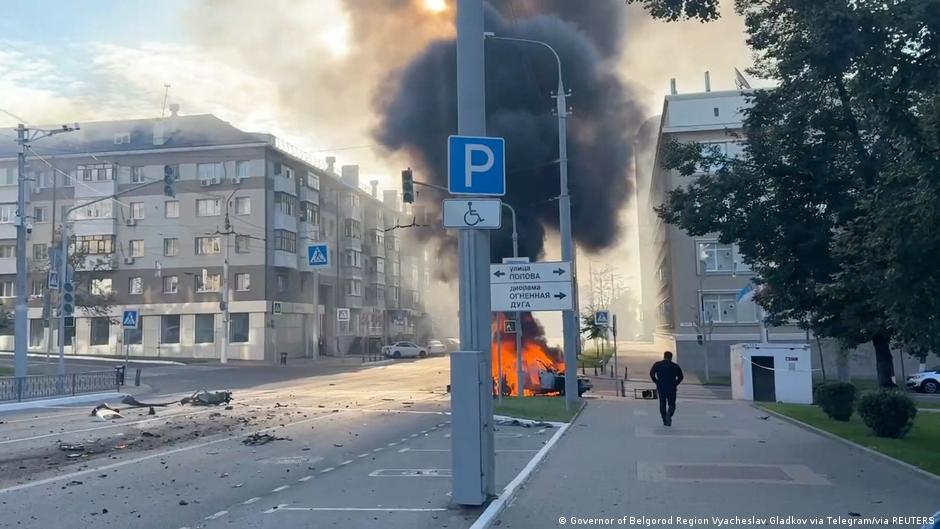
In a significant escalation of cross-border hostilities, several regions along the Russia-Ukraine border have witnessed intensified drone and missile attacks, resulting in civilian casualties and infrastructure damage. The latest incidents underscore the deepening conflict between the two nations, with potential ramifications for regional stability and economic dynamics.
Impact on Civilian Areas and Regional Infrastructure
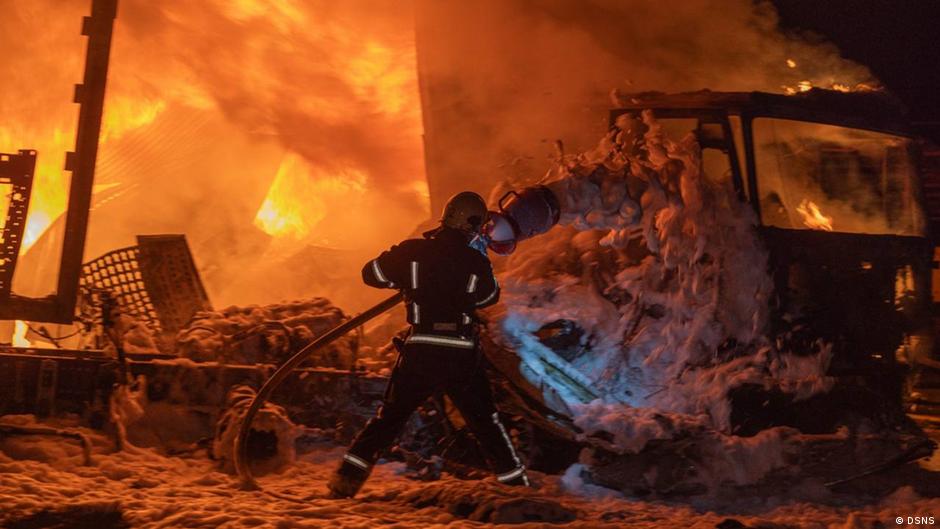
According to regional authorities in Russia, the Belgorod region experienced a massive drone attack by Ukrainian forces during the night of July 27. The assault reportedly injured 12 civilians, including two children, while causing fires in multiple apartments and vehicles. These attacks have disrupted essential services; the mayor of Belgorod, Valentin Demidov, confirmed temporary suspension of utilities in two residential buildings. Some residents have been relocated to temporary shelters as access to affected apartments remains unsafe.
Similarly, the Rostov region reported casualties following overnight shelling. Governor Yuri Slyusar stated that a married couple was killed and five others injured during attacks in Rostov-on-Don. These developments highlight the growing vulnerability of civilian populations in border areas and the increased risks to public safety and infrastructure.
In response, Russian military forces launched retaliatory drone and missile strikes targeting various Ukrainian regions. Ukrainian Air Force sources reported strikes affecting Dnipropetrovsk, Sumy, Chernihiv, Zaporizhzhia, Kharkiv, and Kherson oblasts on the same night. This reciprocal escalation reflects an intensifying military confrontation that complicates diplomatic efforts and may exacerbate economic disruptions.
"The cycle of drone and missile exchanges between Russia and Ukraine underscores a dangerous escalation with severe humanitarian and economic consequences for both nations and the broader region."
Macro-Economic and Policy Implications
The sustained attacks and counterattacks along the Russia-Ukraine border carry significant macroeconomic consequences. The damage to civilian infrastructure and disruption of utilities hinder regional economic activity, contribute to population displacement, and strain local governments' budgets. Increased military expenditures and emergency response costs further divert resources from productive investments.
Moreover, the conflict-induced instability threatens broader regional trade routes and supply chains, potentially impacting energy exports, agricultural production, and manufacturing sectors integral to both countries’ economies. Prolonged hostilities could exacerbate inflationary pressures and undermine investor confidence, complicating recovery prospects.
From a policy perspective, these attacks may influence international diplomatic stances and security alliances. Heightened conflict risks encourage recalibration of defense strategies and economic sanctions, with ripple effects extending beyond the immediate conflict zone. Senior decision-makers must consider these evolving dynamics in crafting long-term economic and geopolitical strategies to mitigate risks and promote stability.
As the situation develops, close monitoring of military engagements and their socio-economic impacts remains crucial for anticipating broader global economic repercussions.