German Transport Minister Patrick Schnieder Resigns Amid Political Turmoil
Germany’s Chancellor Friedrich Merz plans to appoint Steffen Bilger as new Transport Minister following Patrick Schnieder’s resignation.
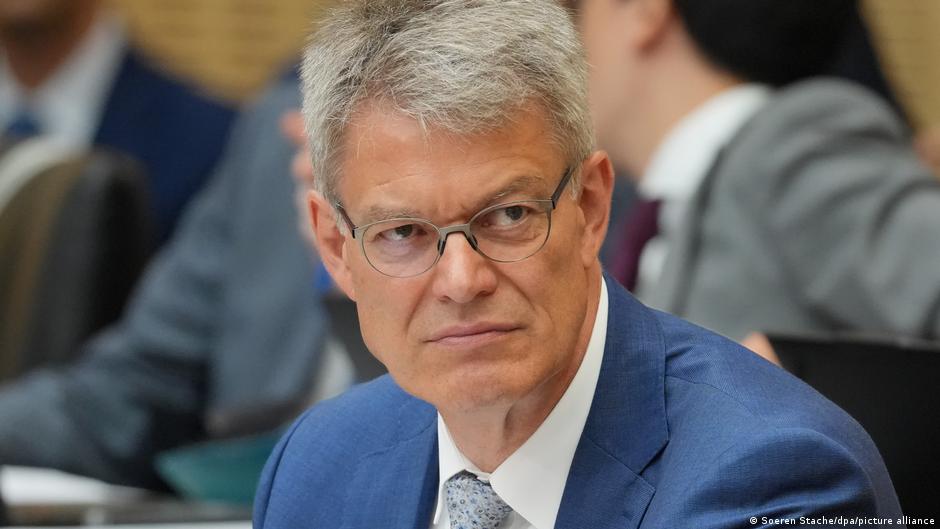
Germany is witnessing a significant shift in its political landscape as Transport Minister Patrick Schnieder announced his resignation on July 26. This development comes amid internal party tensions and a broader reshuffle within Chancellor Friedrich Merz’s administration.
Political Dynamics Behind the Resignation
Patrick Schnieder declared his intention to step down, stating, “I will ask the Chancellor to propose to the President that I be relieved of my duties.” He cited recent events and an unacceptable situation that hindered the necessary effective work as the reasons behind his decision. Schnieder emphasized the urgency of appointing his successor, highlighting the critical decisions ahead for the Ministry of Transport, especially concerning Deutsche Bahn, Germany’s national railway company.
Chancellor Merz is set to nominate Steffen Bilger, the parliamentary secretary of the CDU/CSU faction, as Schnieder’s replacement. A government spokesperson confirmed this nomination on the same day.
“In the interest of the country, it is crucial to resolve the question of succession swiftly and clearly,” Schnieder stated, underscoring the importance of stability in transport policy.
Reports indicate that Schnieder informed Bundestag members on July 24 that Chancellor Merz intended to dismiss him, though specific reasons were not disclosed. Shortly after, Fritz Güntzler, initially the favored candidate and who had agreed to take the post, unexpectedly declined the appointment.
Within the Christian Democratic Union (CDU), there remains confusion and dissatisfaction over Merz’s handling of Schnieder. The situation is viewed as part of a series of political upheavals triggered by the resignation of one of the party’s prominent leaders, Jens Spahn.
Broader Implications for German and European Economic Policy
The transport ministry plays a pivotal role in Germany’s infrastructure planning and economic strategy, particularly regarding the modernization and expansion of rail transport. With Deutsche Bahn facing pressing challenges, prompt and decisive leadership is essential for maintaining Germany’s competitive edge in logistics and sustainable transport solutions.
As Germany is Europe’s largest economy, shifts in its transport policy leadership can have lasting effects on regional economic integration, supply chain resilience, and the EU’s broader climate goals. The uncertainty surrounding ministerial leadership may delay critical reforms or investments, potentially impacting the European Green Deal and cross-border transportation initiatives.
Chancellor Merz’s ability to manage internal party dynamics while ensuring continuity in infrastructure policy will be closely watched by policymakers across Europe. This episode reflects ongoing challenges in balancing political allegiance, governance stability, and the demands of an evolving economic landscape.