Ukraine Warns of Russia’s Plans to Expand Military Mobilization and North Korean Cooperation in 2026
Ukrainian president signals significant Russian military mobilization and increased North Korean support, with broad implications for global security and economic stability.
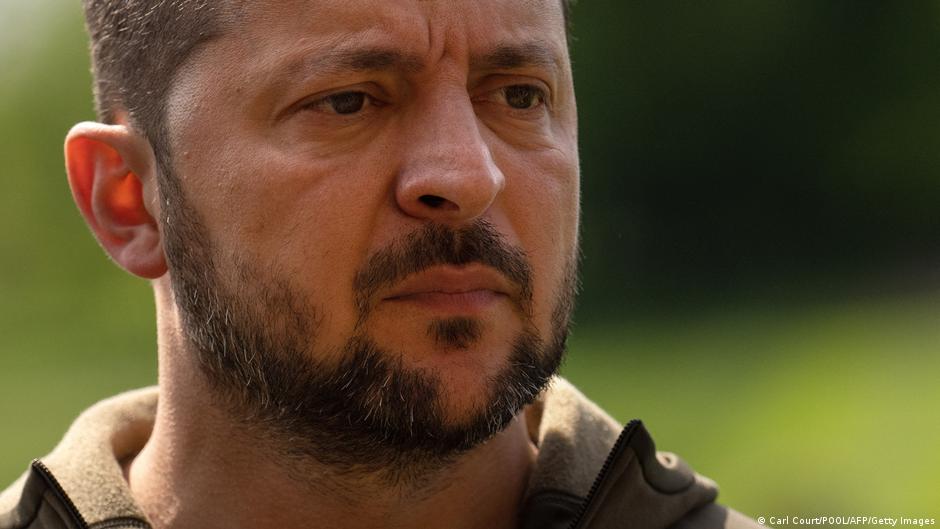
Ukrainian President Volodymyr Zelensky has announced that Russian authorities are preparing to expand military mobilization in the autumn of 2026. This development, reportedly based on intelligence data, also includes plans to incorporate an additional 30,000 soldiers from North Korea into Russian forces, highlighting a growing military partnership between Moscow and Pyongyang.
Expanded Mobilization and International Military Support
According to Zelensky, the specifics of the "expanded mobilization" remain unclear. However, he emphasized that Russian President Vladimir Putin is preparing to conscript new Russian citizens into the conflict. Zelensky cautioned that the Kremlin is disguising these preparations with ambiguous rhetoric and signals, but the strategic intent is clear.
"It is crucial that we and our partners exert sufficient pressure on Russia so that the thoughts of ending this aggression prevail — thoughts of peace rather than additional Russian mobilization," Zelensky stated.
The Ukrainian leader further revealed that North Korea is reportedly ready to deploy approximately 30,000 soldiers in the Voronezh region starting June 2026. Additionally, Pyongyang is purportedly preparing to transfer new ballistic missile launchers to Moscow, deepening military cooperation between the two countries.
Zelensky warned that this cooperation poses a threat to all Asian countries within the range of North Korean missile capabilities. He suggested that Russia is assisting North Korea in enhancing its warfare skills, which could destabilize regional security dynamics.
Implications for Global Economic and Security Policies
This anticipated expansion of Russian mobilization and military cooperation with North Korea carries significant macroeconomic and geopolitical consequences. The intensification of conflict in Ukraine may trigger further disruptions in global energy markets, supply chains, and commodity prices, exacerbating existing economic volatility.
Moreover, the military alliance between Russia and North Korea could prompt new rounds of sanctions from Western and Asian countries, impacting global trade flows and financial markets. Policymakers worldwide must consider the long-term risks of heightened military activity and its ripple effects on economic growth, investment, and geopolitical stability.
Historically, Russia conducted a "partial mobilization" from late September to early October 2022. Despite this, Ukrainian casualties have reportedly outpaced Russian recruitment, fueling concerns in Moscow about sustaining military operations. The continuation of the 2022 mobilization decree, as confirmed by Russian officials, indicates ongoing efforts to maintain and expand military personnel levels.
Russian Presidential spokesperson Dmitry Peskov noted that the mobilization decree also covers other military responsibilities necessary for armed forces' operational readiness. These extended preparations suggest that Moscow is committed to prolonging and escalating its military engagement despite international pressure.
As the situation evolves, senior decision-makers should anticipate increased geopolitical risks and evaluate strategies to mitigate the broader economic and security disruptions that may arise from an expanded Russian-North Korean military partnership and intensified mobilization efforts.