US Announces Historic Hamas Disarmament Agreement Amid Middle East Conflict De-escalation
The US brokered a phased disarmament deal with Hamas, signaling a pivotal shift in Gaza governance and regional security dynamics.
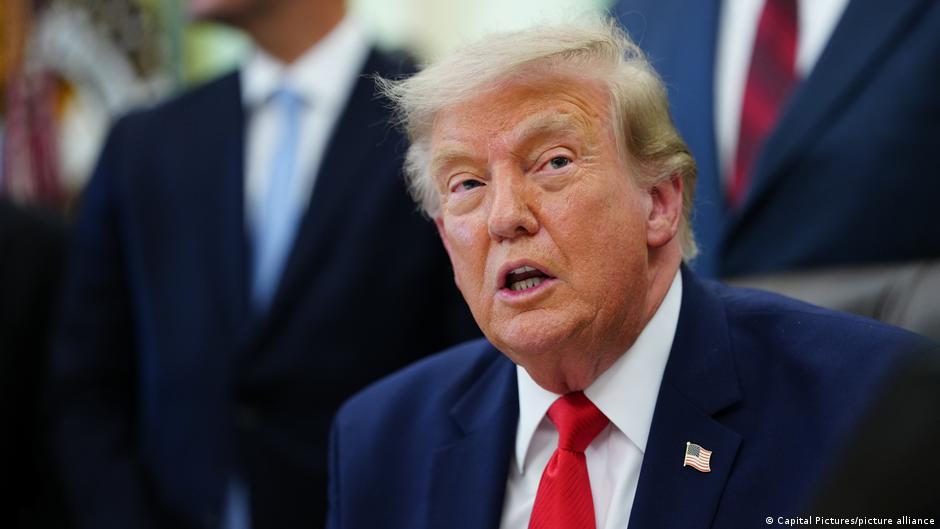
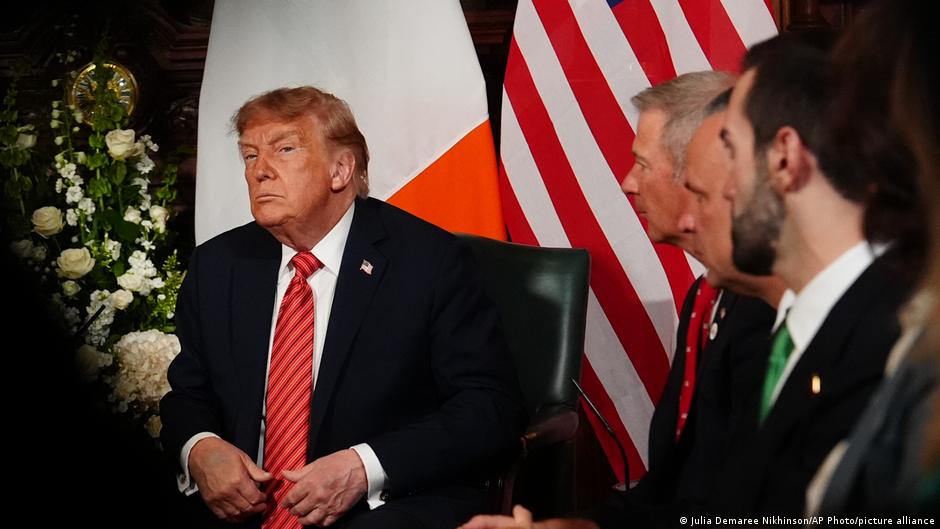
On July 20, President Donald Trump announced a landmark agreement with Hamas, the Palestinian Islamist group, to fully disarm. This development marks a significant step toward establishing a new governance framework in the Gaza Strip and reducing longstanding conflict risks in the region.
Phased Disarmament and Regional Stability
According to President Trump, the US-led peace council has reached a historic consensus on the complete disarmament of Hamas and other armed factions in Gaza. He described this as “a grand step toward durable peace and security.” The agreement was facilitated by mediators from Egypt, Qatar, and Turkey, underscoring a multilateral approach to resolving the protracted conflict.
“Today the Peace Council has reached a historic agreement on the full disarmament of Hamas and all other armed groups in the Gaza Strip,” Trump stated via his social media platform, Truth Social.
Hamas representatives have confirmed the deal to international agencies, although Israel has yet to comment officially. The phased disarmament will be implemented gradually, with ongoing negotiations taking place in Egypt focusing also on the sequential withdrawal of Israeli military forces from Gaza.
Following the cessation of hostilities, a US-established Palestinian technocratic committee will assume governance responsibilities in Gaza. This move aims to dismantle militant control structures and install a more stable administrative framework.
Economic and Geopolitical Implications
The agreement’s regional implications are profound. Ending active hostilities and disarming Hamas could open pathways for economic reconstruction in Gaza, long devastated by war and blockade. Improved security conditions may attract international investment and humanitarian aid, essential for rebuilding infrastructure and reviving economic activity.
Moreover, this shift may realign geopolitical relations. The involvement of Egypt, Qatar, and Turkey as mediators highlights their growing influence in Middle Eastern diplomacy. For the United States, brokering this deal represents a strategic policy shift aiming at de-escalation through negotiated settlements rather than prolonged military engagement.
The backdrop to this agreement is the brutal conflict initiated by Hamas on October 7, 2023, which included a large-scale rocket attack and incursions into Israeli territory, resulting in significant civilian casualties and hostage crises. Israel’s subsequent military response caused extensive casualties in Gaza, with disputed figures on the number of militants versus civilians killed.
Israel had insisted on Hamas disarmament as a precondition for de-escalation, making this agreement a critical component in potentially resolving one of the world’s most intractable conflicts.
Long-Term Economic Consequences
Stabilizing Gaza through disarmament and new governance may reduce the economic burden of conflict on Israel and neighboring countries. Sustained peace would allow for the restoration of trade routes, easing of blockades, and increased cross-border cooperation. The transition to technocratic governance could improve administrative efficiency and public service delivery, further fostering economic development.
However, the success of this agreement depends on effective implementation and the management of political complexities, including ensuring that disarmed factions do not regroup and that governance structures remain inclusive and representative.