US House Passes Resolution Restricting Presidential War Powers on Iran
In a rare bipartisan move, the US House of Representatives limits the president’s ability to engage militarily with Iran without congressional approval.
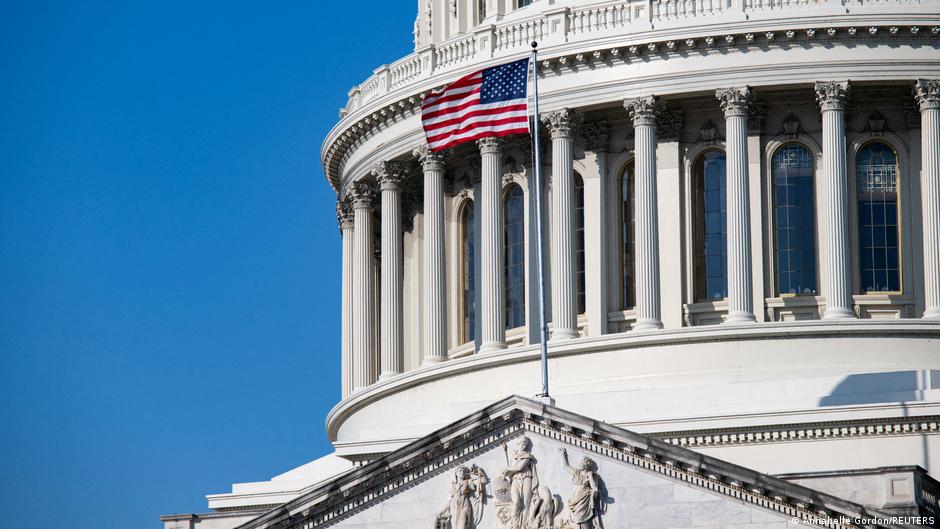
The US House of Representatives has approved a resolution that prohibits President Donald Trump from continuing military actions against Iran without explicit congressional authorization. This marks the first instance in which the House has formally opposed the White House's stance on the conflict with Iran, signaling a shift in congressional assertiveness over war powers.
The resolution passed by a vote of 215 to 208, with support coming primarily from Democrats and a small contingent of Republicans. Notably, several Republicans broke ranks with President Trump's party majority, indicating growing wariness among some GOP members regarding the ongoing conflict. Observers have noted that support for military engagement with Iran is waning even within the president’s own political base.
Congressional Checks on Executive Military Action
Earlier in May, the US Senate also expressed support for a similar resolution mandating that President Trump cease military operations against the Islamic Republic unless Congress grants formal approval. The Senate vote was narrowly favorable at 50 to 47, though the absence of three Republican senators campaigning for re-election has diminished the likelihood of a full Senate endorsement.
Historically, Republicans have consistently blocked efforts to advance such resolutions in the Senate, with seven attempts thwarted earlier this year. The resolution was first put to a vote in March following escalations involving US and Israeli military actions against Iran. It had also faced multiple Republican-led blockades in the House prior to this recent passage.
“Even if the resolution passes both chambers, President Trump is almost certain to veto it,” analysts warn, underscoring the executive-legislative tensions surrounding war authority.
The 1973 War Powers Act stipulates that the president may engage in military activities for up to 60 days without congressional consent. Beyond this period, the president must either terminate hostilities or obtain approval from Congress to continue.
By May 1, 2026, the 60-day window had elapsed. President Trump formally notified Congress that hostilities with Iran were concluded, yet combat operations have persisted. For instance, on the night of May 3, Iran’s Islamic Revolutionary Guard Corps launched missiles and drones targeting US bases in Kuwait and Bahrain. In retaliation, US forces struck an Iranian military facility on Kishm Island in the Strait of Hormuz.
President Trump maintains that diplomatic negotiations with Iranian leadership are ongoing to bring an end to the conflict.
Macro-Economic and Global Security Implications
This congressional pushback against unilateral executive military action reflects broader concerns about the geopolitical and economic risks of prolonged conflict with Iran. The Middle East remains a critical nexus of global energy supply, and instability in the region could disrupt oil markets, exacerbate inflationary pressures worldwide, and unsettle global trade routes.
Moreover, the political discord over war powers may signal shifts in US foreign policy decision-making processes, potentially affecting alliances, defense spending, and diplomatic engagements. Senior decision-makers should monitor these developments closely, as they could influence the strategic environment, impact global economic forecasts, and alter risk assessments for international investments and supply chains.