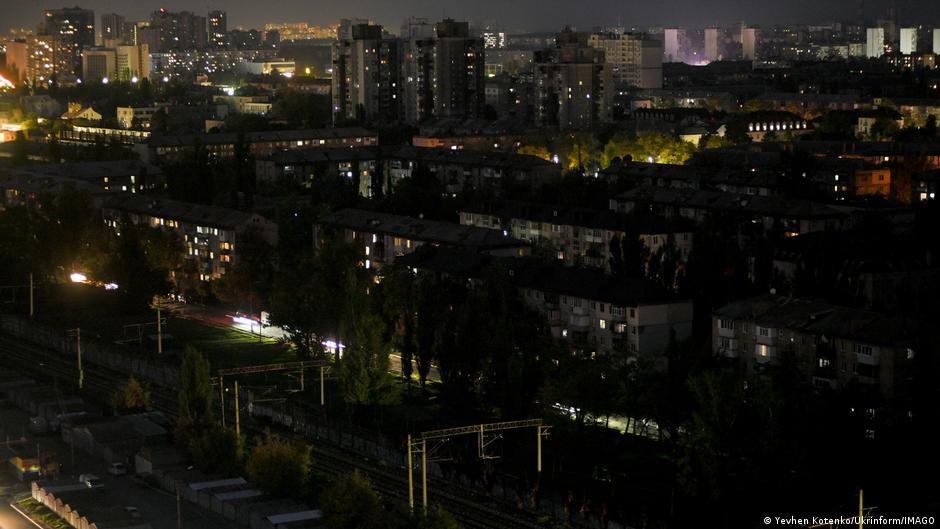
Russian Military Launches Largest Missile Strike on Kyiv Amid Ongoing Conflict
A massive missile attack on Kyiv causes casualties and significant urban damage, highlighting escalating regional instability.
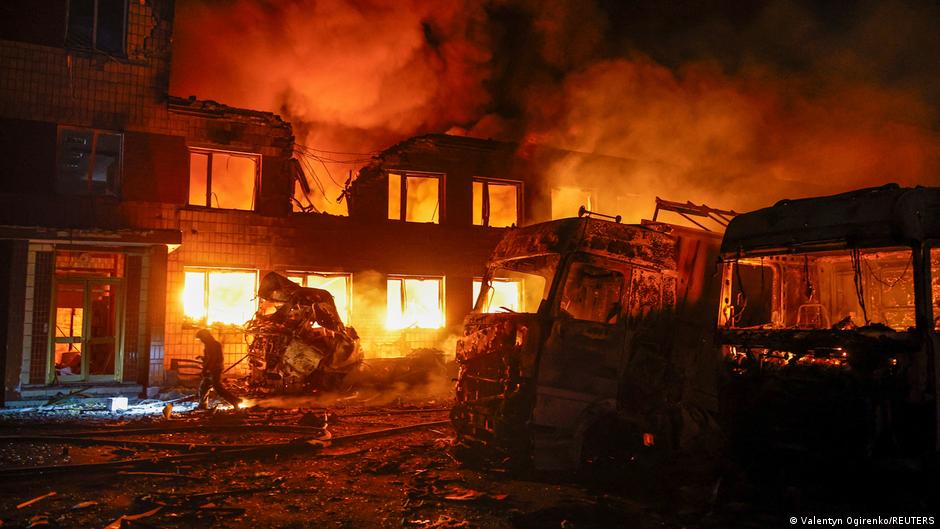
In the early hours of July 19, the Russian armed forces launched a significant ballistic missile strike targeting Kyiv, Ukraine's capital. This assault resulted in extensive damage across multiple districts, casualties, and heightened concerns about the broader geopolitical and economic ramifications of the conflict.
Urban Impact and Human Costs
The missile attack caused fires to erupt in various locations, including a supermarket, a dormitory, and several residential buildings. Vehicles parked in affected areas were also damaged, with reports indicating over ten cars affected. The Dniprovskyi district experienced smoke and fire near a shopping center, where debris caused a dormitory to ignite. In the Shevchenkivskyi district, a three-story administrative building extension caught fire, and residential windows were shattered due to the explosions. Additionally, in the Solomianskyi district, missile fragments fell close to a nine-story building, damaging its glass facade and igniting fires on the rooftop of a supermarket and an adjacent residential home.
"The scale of this missile strike underscores the ongoing volatility and risks to civilian infrastructure in Kyiv, raising critical concerns about regional stability and economic disruptions," said an analyst monitoring the situation.
According to official reports from Kyiv’s city military administration, eight individuals were injured, and one person succumbed to injuries sustained during the attack.
Broader Economic and Policy Implications
This recent escalation not only exacerbates humanitarian concerns but also injects heightened uncertainty into regional and global economic environments. Kyiv, as Ukraine’s political and economic hub, remains vital for both domestic governance and international economic recovery efforts. Continuous attacks on its infrastructure threaten the stability necessary for economic activities, foreign investments, and reconstruction projects.
Moreover, the heightened military aggression may prompt shifts in international policy responses, including sanctions, defense support, and economic aid packages. These dynamics have long-term implications for global supply chains, energy markets, and geopolitical alliances, which senior decision-makers must incorporate into strategic planning.
With the conflict intensifying, stakeholders worldwide face increased risks of economic fragmentation and volatility. Monitoring developments in Ukraine is thus critical for anticipating shifts in trade flows, commodity prices, and international investment climates.