US Launches $100 Million Humanitarian Aid to Cuba Amid Heightened Sanctions and Military Posturing
Washington initiates humanitarian support to Cuban civilians even as economic sanctions and military considerations intensify tensions.
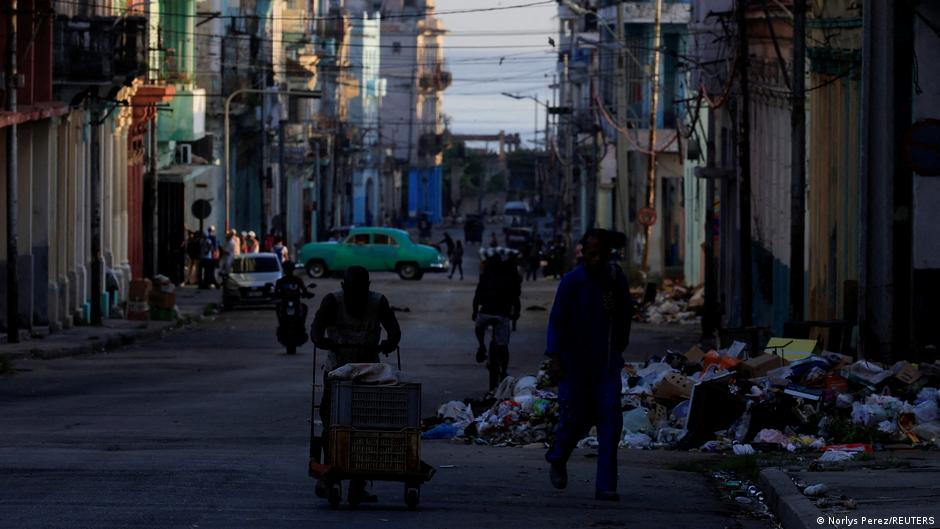
In a complex development amid escalating tensions, the United States has dispatched the first plane carrying humanitarian aid to Cuba, marking the commencement of a newly approved $100 million assistance package aimed at alleviating civilian hardships on the island.
This aid, which includes food supplies and hygiene kits intended for approximately 700 Cuban families, is being distributed through the Catholic Relief Services, a humanitarian organization with prior experience in delivering aid to Cuba following natural disasters. This new initiative follows earlier assistance of $9 million provided after significant damage caused by Hurricane Melissa.
Strategic Context and Policy Implications
The aid package announcement by Secretary of State Marco Rubio in May came against a backdrop of intensifying efforts by the US government to exert financial and political pressure on Cuba’s ruling administration. While the US simultaneously enforces sanctions targeting key Cuban state-owned enterprises—particularly those affiliated with the powerful military-controlled conglomerate Grupo de Administración Empresarial S.A. (GAESA)—it has opted to extend humanitarian support directly to Cuban citizens.
"The goal of the humanitarian mission is to support the residents of the Caribbean island, even as Washington steps up pressure on Cuba’s government through sanctions and oil supply blockades," a US State Department statement explains.
GAESA, managing an estimated 40% of Cuba’s GDP with liquid assets reportedly around $14.5 billion as of 2024, remains a primary target of recent sanctions imposed by the US. These sanctions also extend to family members of high-ranking Cuban officials, indicating a strategic effort to isolate economic power centers linked to the Cuban military and leadership.
The Cuban government initially expressed skepticism about the US aid, attributing domestic electricity outages and product shortages to Washington’s interference. Nevertheless, it appears to have accepted the aid package following diplomatic engagements with US representatives.
Military Considerations and Regional Security Dynamics
Amid these developments, US military planners have reportedly examined various contingency scenarios regarding Cuba, including the potential deployment of thousands of troops from the 101st Airborne Division. However, these plans remain tentative, partly due to the US military's commitment to ongoing operations in the Middle East, particularly the renewed conflict involving Israel and Iran.
Defense Secretary Pete Hegseth has acknowledged the possibility of a forceful approach to what the US perceives as Cuba’s increasing militarization. Intelligence indicates Cuba has acquired over 300 unmanned aerial vehicles (drones) potentially capable of striking US assets such as the Guantanamo Bay naval base, naval vessels, and even Florida territory, raising concerns about emerging regional threats.
Nonetheless, senior US officials suggest that economic and diplomatic pressure remains the preferred mechanism for influencing Cuba in the near term.
On June 23, Senator Rubio emphasized that the recently imposed sanctions targeted five Cuban companies, highlighting the intertwined nature of Cuba's economic and military apparatus. Cuban Foreign Minister Bruno Rodriguez condemned these measures as "relentless aggression and collective punishment," characterizing Rubio as "dishonest and deceitful," underscoring the deepening political rift between Havana and Washington.
Long-Term Economic and Geopolitical Consequences
The US’s dual strategy of targeted sanctions combined with humanitarian aid exemplifies a nuanced approach to managing geopolitical tensions. While the aid aims to soften the humanitarian impact on Cuban civilians, the sanctions seek to undermine the economic foundations of Cuba’s military and political elite.
This strategy reflects broader US policy priorities in the Caribbean and Latin America, balancing geopolitical rivalry with strategic communications aimed at winning hearts and minds. However, the resilience of Cuba’s economy under military-backed conglomerates and the potential for further militarization highlight the challenges ahead.
For global economic observers and policymakers, these developments carry implications for regional stability, security partnerships, and the international humanitarian framework. The interplay of sanctions, aid distribution, and military posturing will shape not only Cuban domestic dynamics but also influence broader US-Latin America relations and geopolitical alignments.