UK Grants Indefinite License for Import of Russian-Origin Fuel Amid Global Energy Pressures
London authorizes unrestricted import of diesel and kerosene derived from Russian oil via third countries, reflecting shifting energy and economic policies.
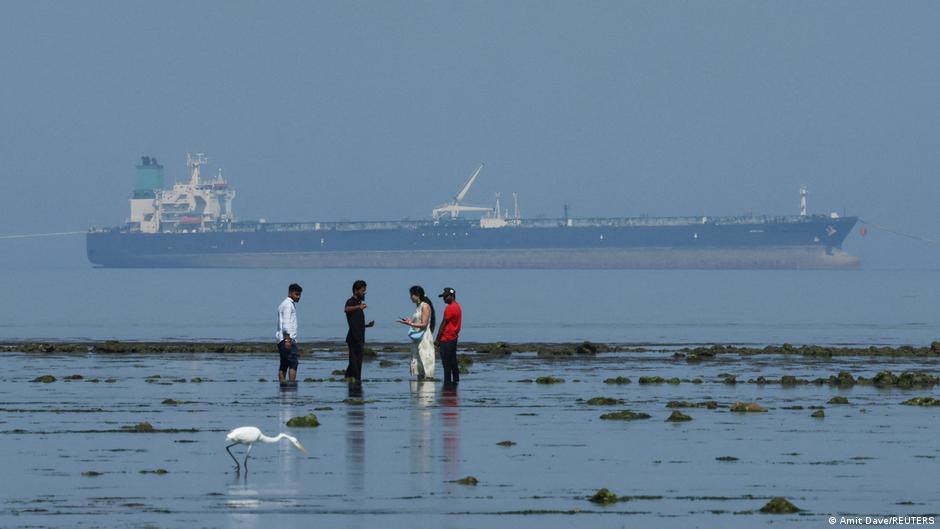
On May 19, the UK government announced the issuance of an indefinite license permitting the import of diesel fuel and aviation kerosene produced from Russian crude oil in third countries. Effective from May 20, this license enables the UK to bypass existing sanctions and import Russian-origin petroleum products.
Strategic Shift in Energy Policy Amid Rising Costs
The UK’s decision to authorize this license without a fixed expiry, although subject to periodic review, responds to mounting domestic pressures. Rising fuel prices, exacerbated by the ongoing conflict involving Iran, have intensified challenges related to the cost of living and energy accessibility in the UK.
"The license represents a pragmatic approach to stabilizing fuel supplies and alleviating inflationary pressures amid geopolitical disruptions."
This move follows a similar extension by the United States, which on May 18 renewed a license facilitating maritime transport and sales of Russian-origin oil and petroleum products, circumventing sanctions to aid vulnerable nations impacted by supply disruptions linked to the Iran conflict.
Additionally, the UK granted a license for maritime transportation of liquefied natural gas (LNG) from Russia, valid until January 1, 2027. This signals a nuanced recalibration of the UK's energy import strategy, balancing sanctions enforcement with pragmatic supply considerations.
Context and Global Economic Implications
Since 2022, following Russia’s large-scale invasion of Ukraine, the UK has prohibited the import of Russian oil and coal. In October 2025, London tightened restrictions further by banning imports of petroleum products refined from Russian crude in third countries, as part of a comprehensive sanctions package targeting Russia's "shadow fleet" oil transport operations.
However, the geopolitical landscape continues to evolve. Elevated Russian oil exports, coupled with price increases driven by the US-Israel-Iran conflict, have pushed Moscow’s revenue from petroleum product exports to wartime highs. Bloomberg reported that as of early May, average weekly payments for these exports reached $2.42 billion.
In response to the blockade of the Strait of Hormuz, the United States has opened several markets to Russian oil, easing restrictions to stabilize global energy supply chains. The UK’s recent licensing decisions similarly reflect a strategic pivot acknowledging that rigid sanctions may exacerbate energy market volatility and economic vulnerabilities.
For senior decision-makers and policymakers, these developments underscore the complexities of aligning geopolitical objectives with economic and energy security priorities. The balancing act between sanction regimes and the imperative to maintain affordable energy access is poised to influence long-term policy frameworks and global market dynamics.