Russian Convoys Reverse Course After Ukraine Strikes Warship in Libya
Two Russian military convoys reportedly changed course after Ukraine sank a Russian corvette in Libya, raising Mediterranean security and logistics risks.

Two Russian military convoys reportedly changed course after Ukraine sank a Russian corvette in Libya, raising Mediterranean security and logistics risks.

Belarus will block Spotify from December 1 over alleged unpaid VAT, highlighting rising tax and market-access risks for global digital platforms.

A temporary drone-related shutdown at Cologne Bonn Airport highlights rising security spending and disruption risks for European aviation and supply chains.

Sweden’s protest over incidents in Poland and Denmark points to higher defence costs, tighter mobility rules and a growing European geopolitical risk premium.

EU leaders ended budget talks early as disputes over spending, common debt, regional support and Ukraine financing blocked agreement on the 2028-2034 framework.

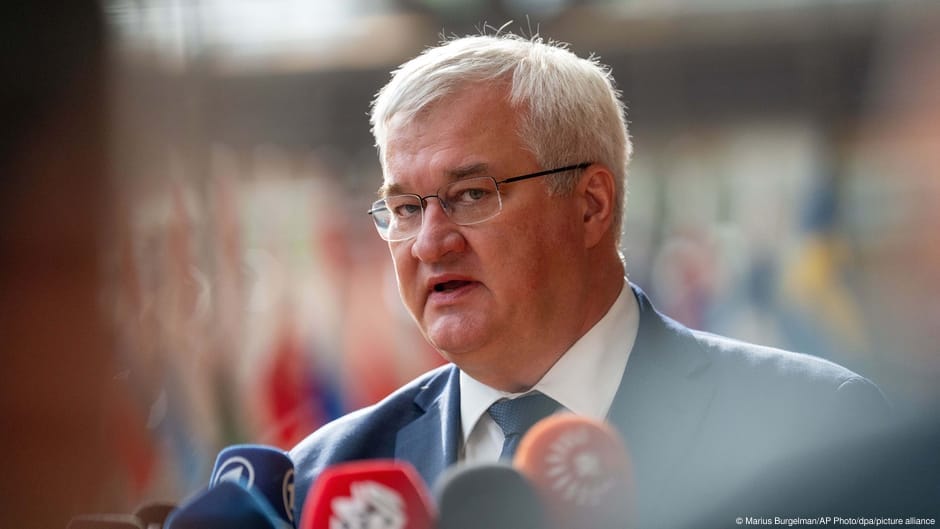
Kyiv sought to limit fallout from its Benghazi operation as Libyan authorities condemned the strikes and European governments split over the risks of geographic escalation.

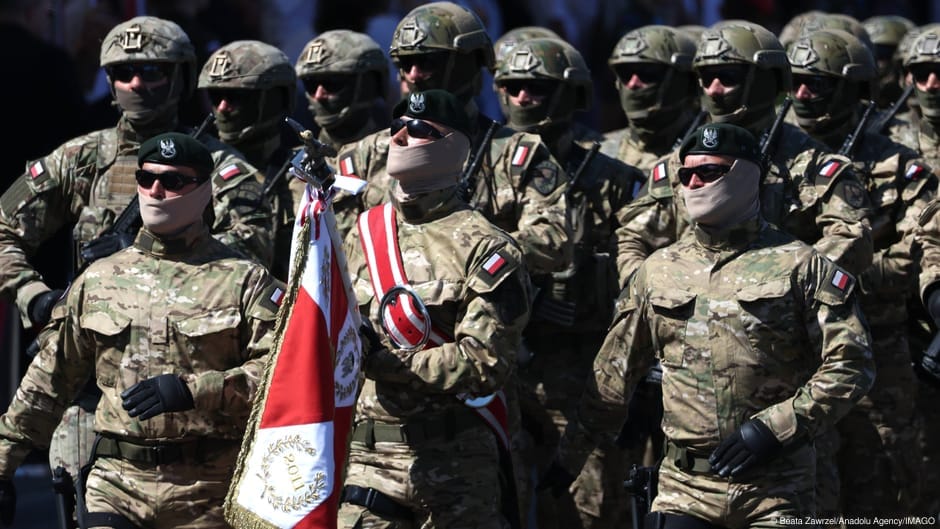
Poland’s proposed eastern no-fly zone could reshape NATO border policy while adding new considerations for defense budgets, aviation and regional investment.

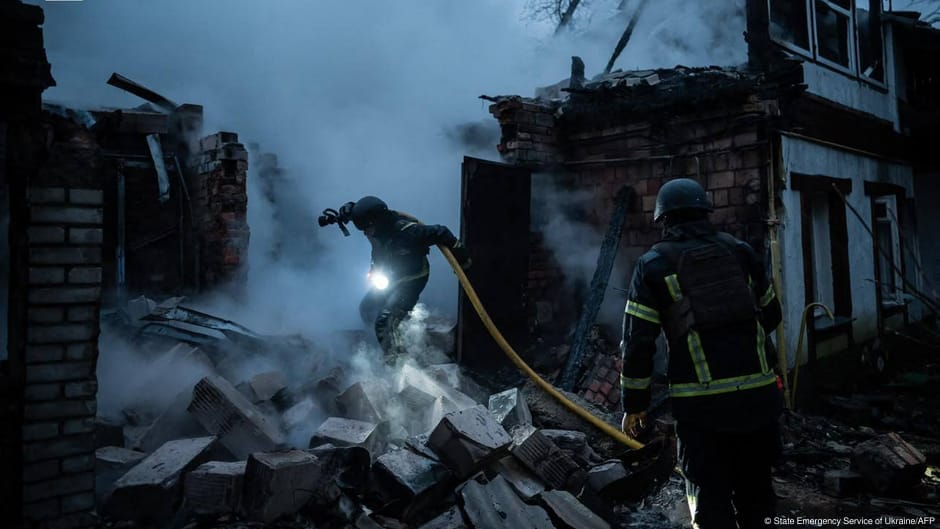
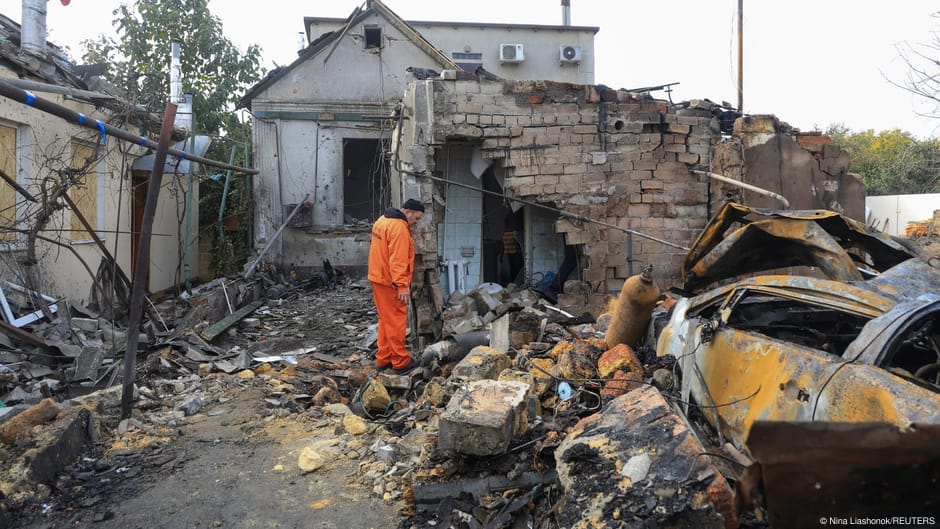
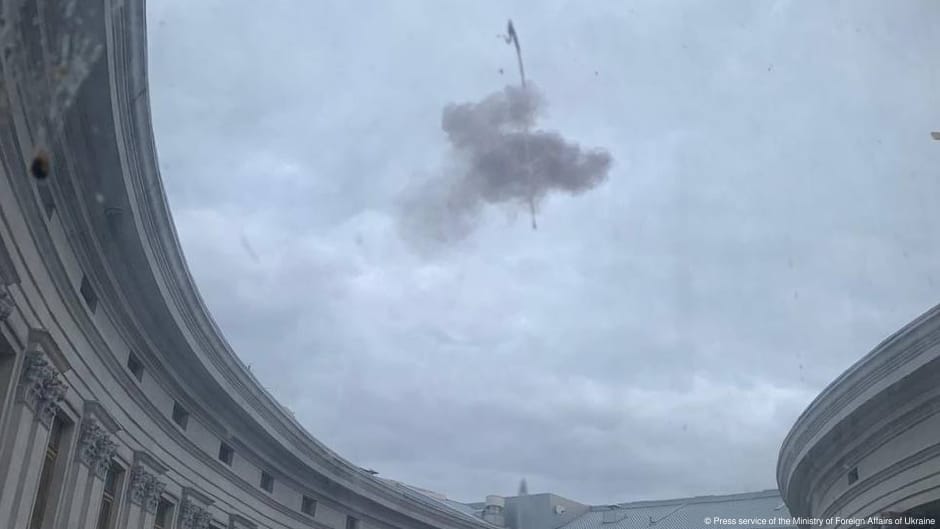
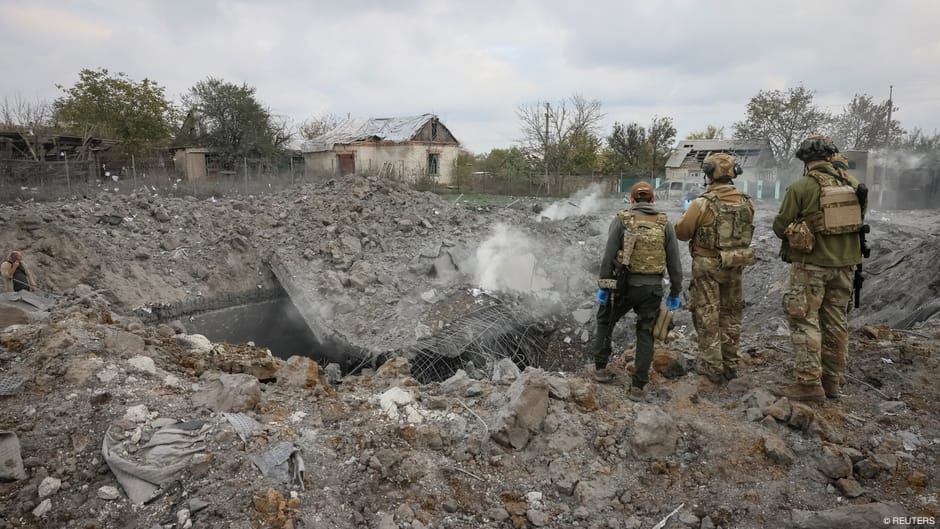
Strikes injured civilians and hit commercial, industrial, residential and critical infrastructure sites in Kyiv, Kharkiv and other Ukrainian regions.

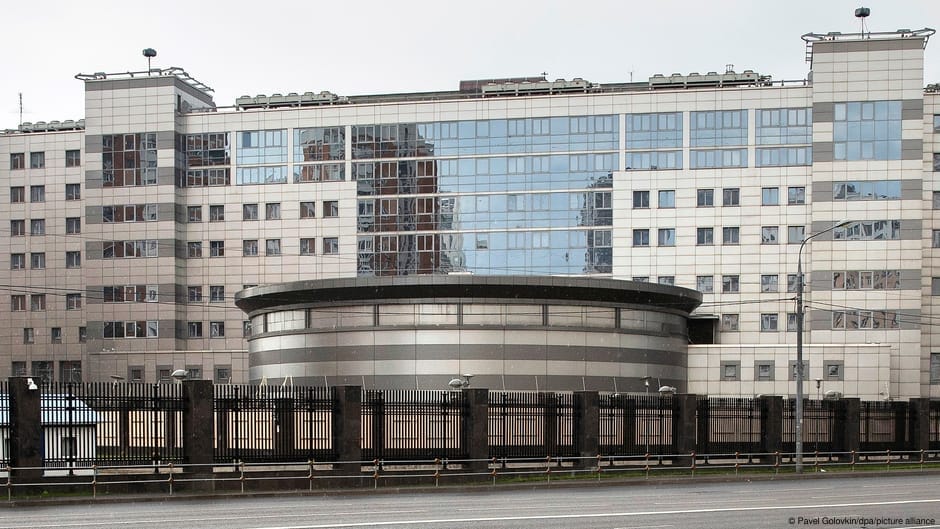
Lithuania is urging the EU to designate Russian military intelligence as a terrorist organization, potentially widening Europe’s security and economic response.

Brussels’ proposed penalty against Bulgaria tests whether the EU can enforce fiscal discipline while preserving flexibility under its reformed budget rules.

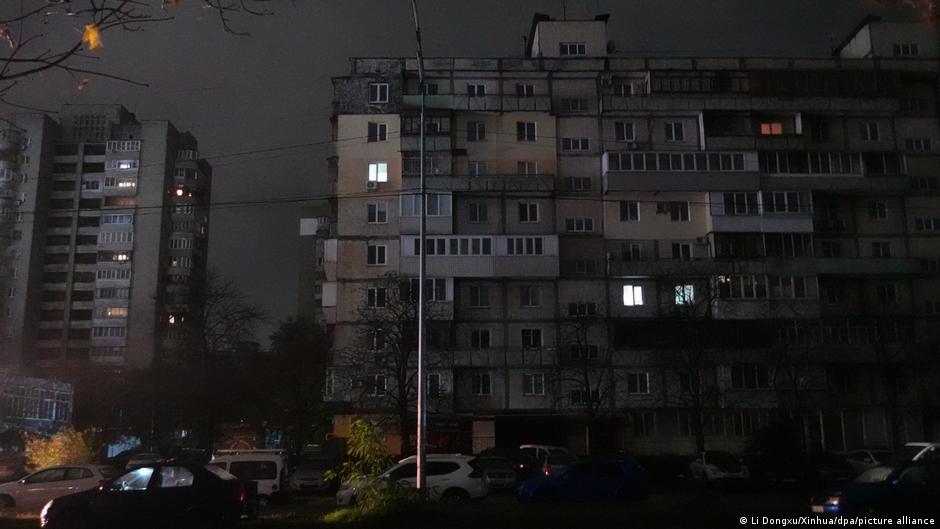
Russian attacks killed three people and damaged civilian assets as Ukraine imposed wider electricity restrictions affecting households and industry.

Russian military aircraft briefly entered South Korea’s KADIZ, prompting a fighter response and protest amid shifting Northeast Asian alliances.

A Russian drone briefly entered Poland during an attack on western Ukraine, highlighting the rising defense and fiscal costs of spillover risks along NATO’s eastern flank.

Russia is rebuilding the Kamenka garrison near Finland for a planned 11,000-strong division, underscoring a lasting shift in northern Europe’s security economy.

Russian attacks killed and injured dozens across Ukraine while damaging homes, shops, businesses and energy infrastructure in several regions.

Reported drone strikes near oil assets in Rostov and Tatarstan highlight rising costs and supply-chain risks for Russia’s energy sector.

A probable drone strike on a Krasnodar security facility and unconfirmed refinery reports highlight growing risks to transport, energy and investment.

Washington’s push for a Ukraine deal before Democrats take Congress could reshape military aid, European defense spending and reconstruction prospects.

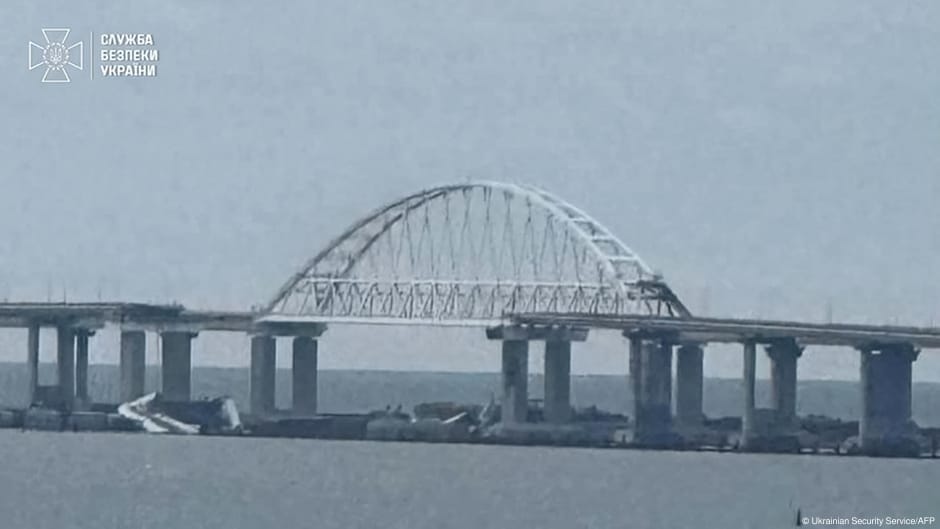
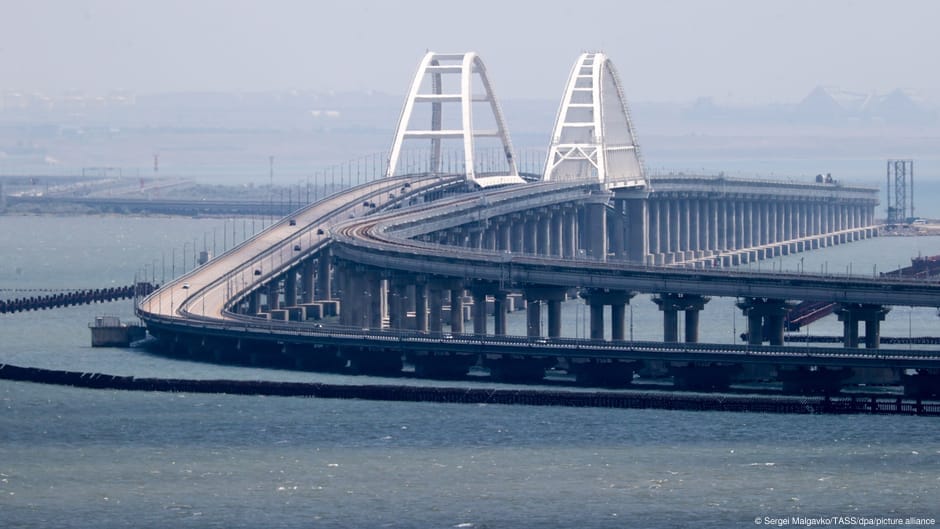
Zelensky says the Crimea Bridge will not survive, as severe damage threatens Russian logistics and creates a costly, uncertain reconstruction challenge.

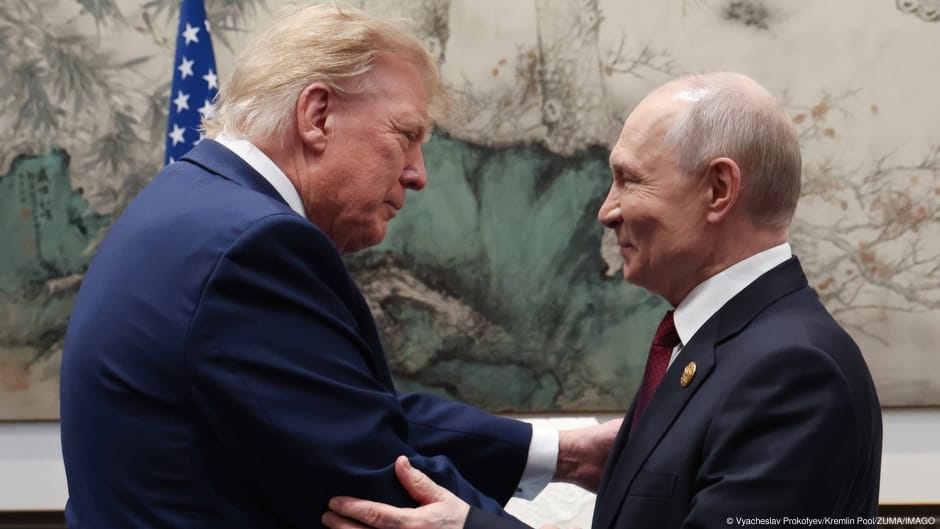
Trump backed Kyiv’s right to participate in decisions on the war as US, Chinese and Russian leaders opened a new but still inconclusive diplomatic channel.

Russian missile strikes damaged Kyiv bridges and buildings, adding transport, fiscal and diplomatic pressures to Ukraine’s wartime economy.

Elbridge Colby’s early departure from a NATO meeting exposes strategic divisions that could reshape European defense budgets and Ukraine’s reconstruction.

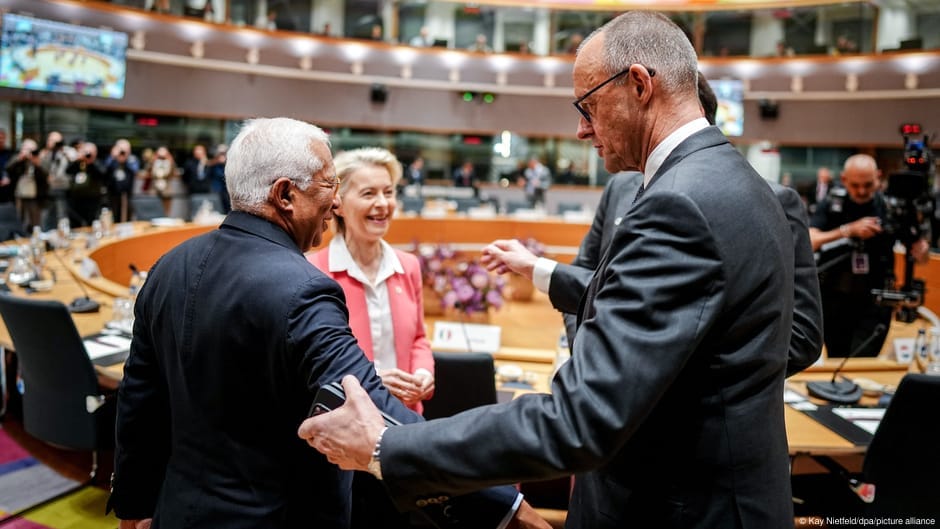
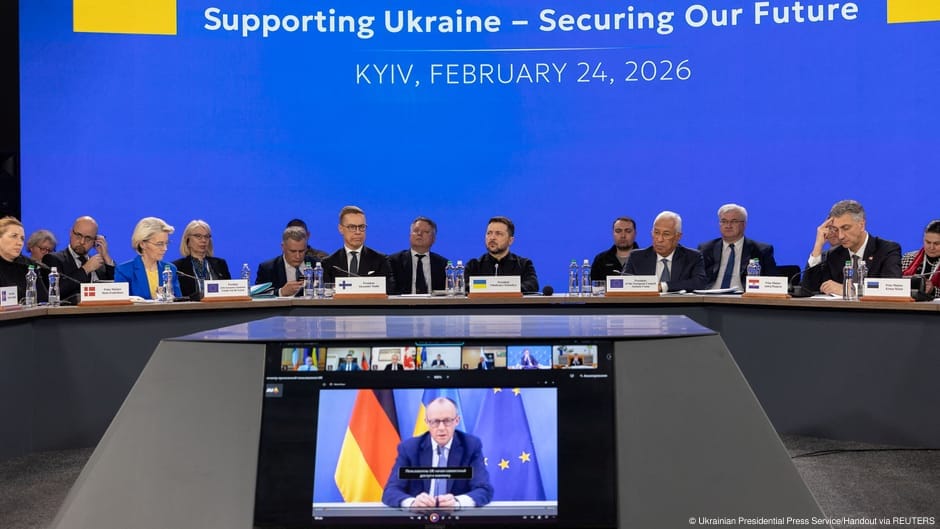
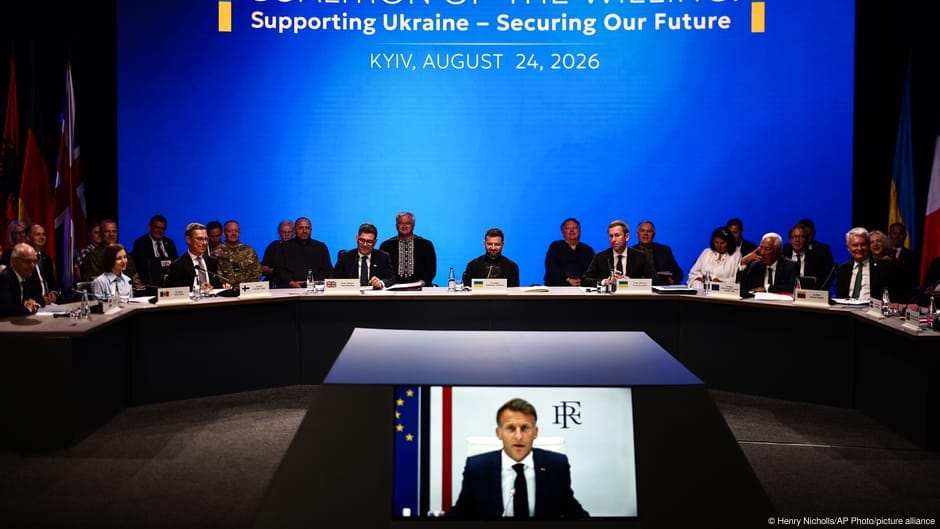
European leaders meeting in Berlin will link Ukraine’s negotiating leverage and air defense needs to Europe’s long-term fiscal and security outlook.

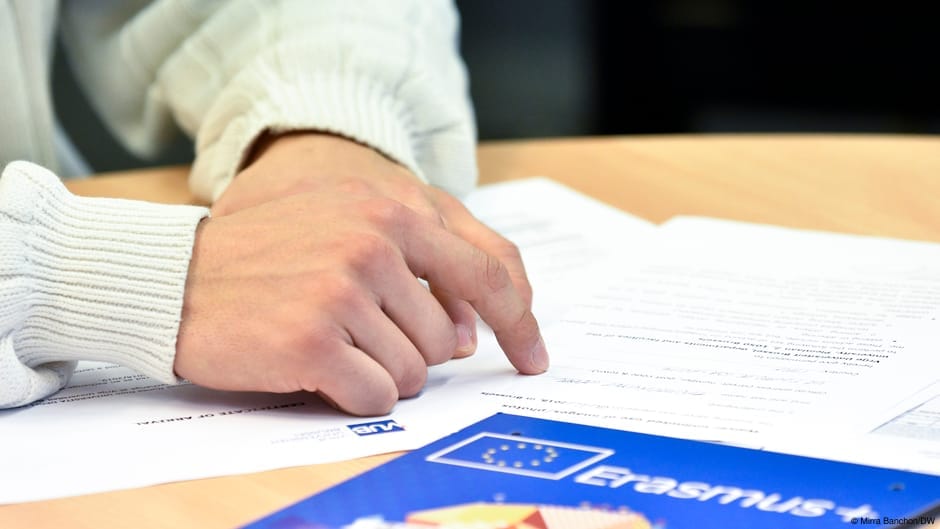
The EU has excluded Russia-based residents and organizations from Erasmus+, tightening restrictions on academic mobility and long-term knowledge exchange.

Reported flows through a Deutsche Bahn unit expose policy gaps around sanctions, Russian infrastructure revenue and Europe-China rail trade.

Rescuers confirmed 72 deaths after a Russian strike on a Ukrainian aid center, highlighting the mounting cost and danger of humanitarian operations.

Strikes on bridges in Kyiv and the Kerch Strait highlight mounting risks to transport networks, public services, logistics and reconstruction budgets.

A German poll shows broad concern over Russia but an almost even divide on restoring Russian energy imports, complicating long-term security and industrial policy.

Kyiv wants a unified European position for potential talks with Russia while reviewing allied coalitions and seeking more energy and air-defense support.

Washington is bringing Europe into Ukraine peace talks, a shift with implications for regional security, public finances, investment and long-term economic risk.

Macron casts Ukraine aid as long-term risk management as fiscal pressures in Poland and Bulgaria expose strains in Europe’s security financing.

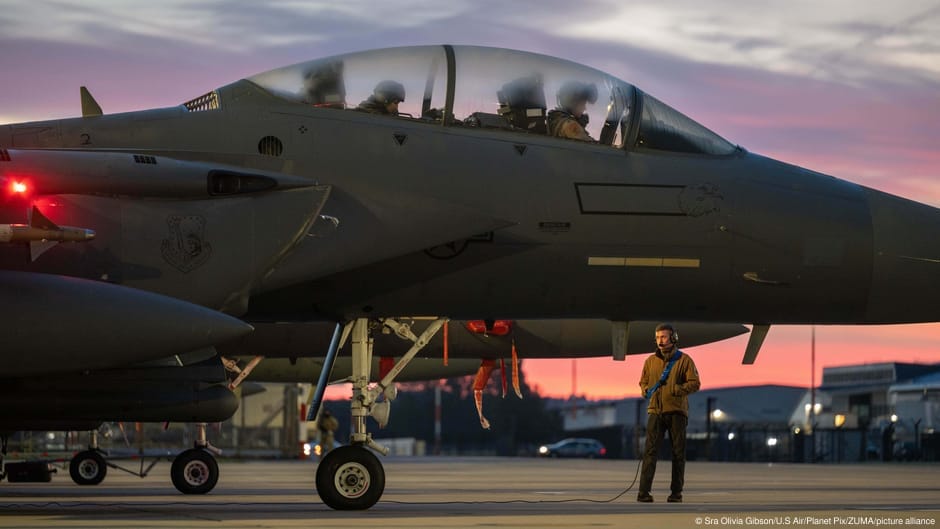
Suspected drone activity at RAF Lakenheath caused no damage but highlighted the growing fiscal and infrastructure costs of geopolitical risk in Europe.

Trump, Putin and Xi are set to open trilateral nuclear arms-control talks at APEC, while Ukraine is expected to remain outside the agenda.

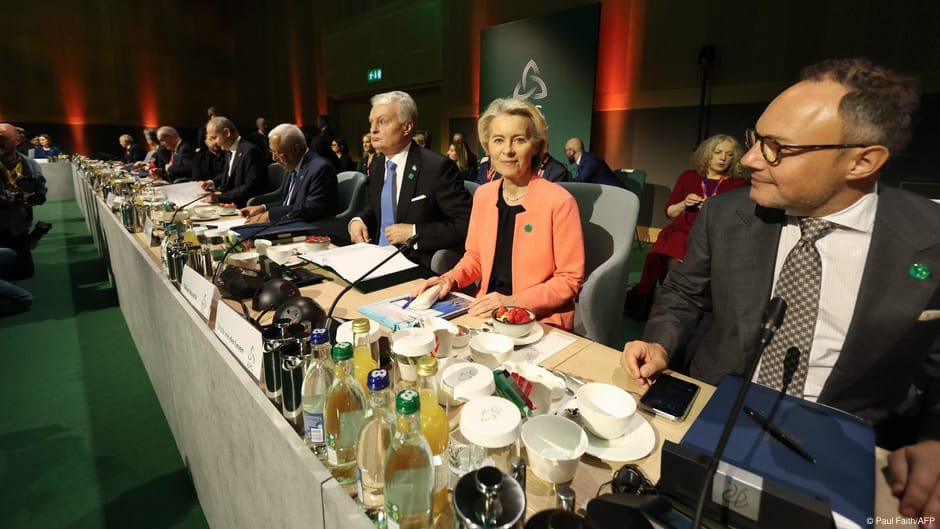
Nearly 40 European states have endorsed a security charter with potential consequences for fiscal policy, infrastructure investment and transatlantic risk.

Russia and Ukraine agreed to include European partners in the next peace talks, widening negotiations to cover postwar security as well as territorial issues.

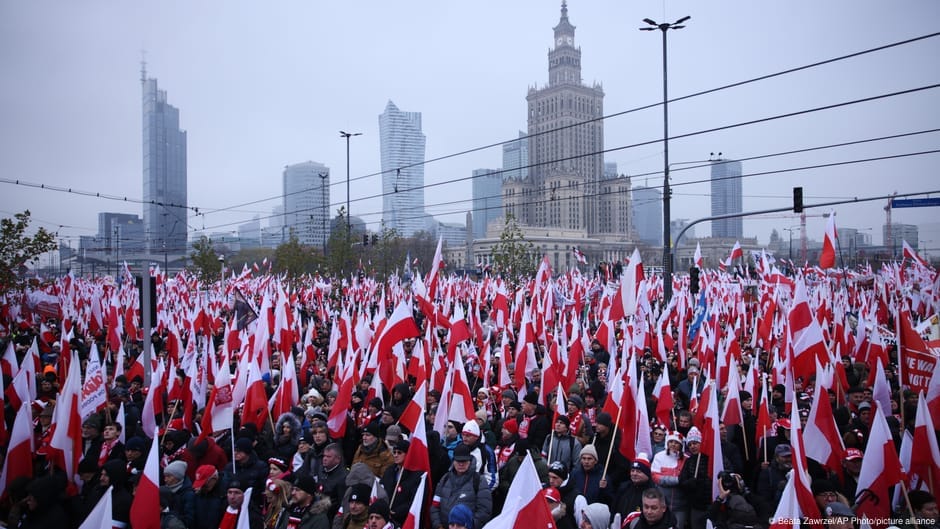
A mass nationalist march joined by President Karol Nawrocki highlighted Poland’s institutional tensions and potential risks to policy stability.

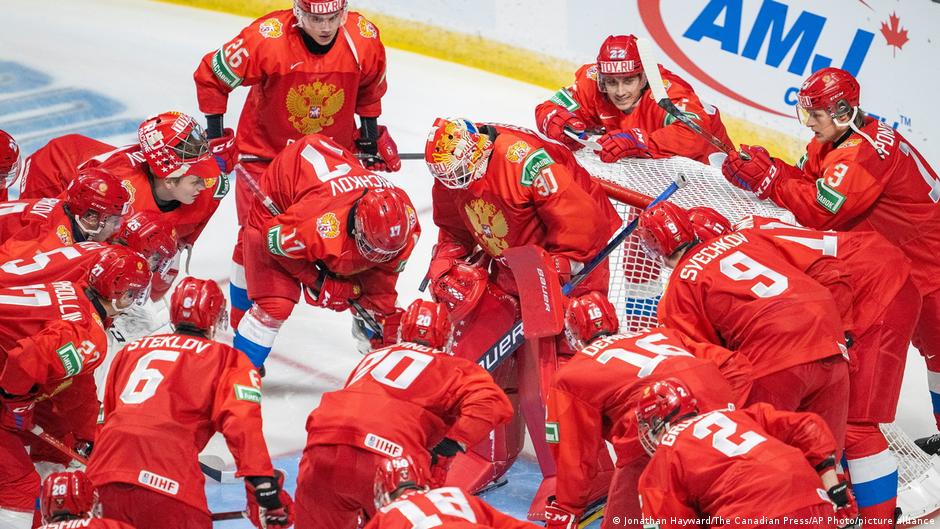
Canada will deny entry to Russian players at the 2027 World Juniors, exposing a conflict between sports arbitration and sovereign border policy.

Kyiv and Moscow discussed exchanging up to 3,000 prisoners as Abu Dhabi talks expanded toward energy, Black Sea security and possible leader-level negotiations.

The EU has extended its Ukraine military training mission through 2028, underscoring the shift toward sustained European defence spending and coordination.

Germany is linking agreement on a €45 billion EU contribution for Ukraine to progress on other financial decisions and the bloc’s next long-term budget.

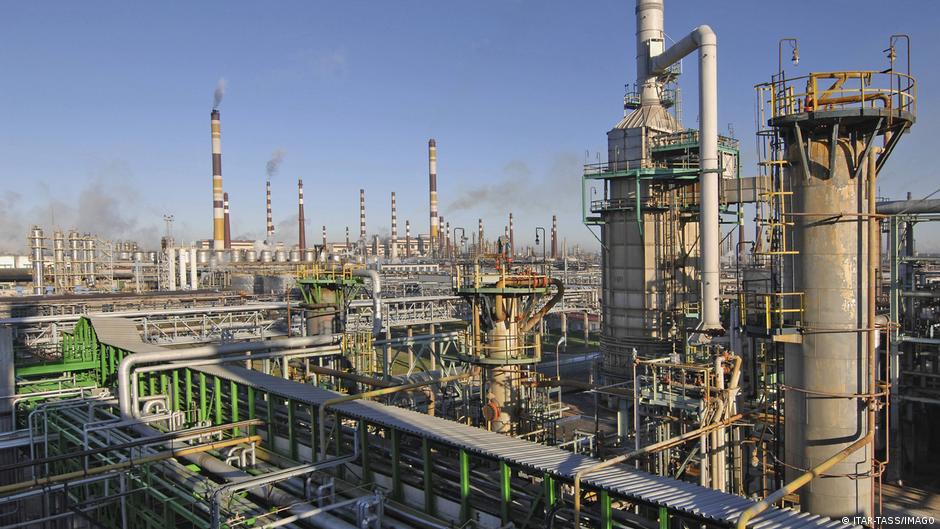
A drone attack on Russia’s Kirishi refinery puts a facility responsible for about 7% of national oil processing back at the center of fuel-security concerns.

The dispute over Kyiv’s outages reveals how grid damage and strained coordination could magnify the economic costs of Russia’s attacks on Ukrainian energy infrastructure.

A reported strike on Oryol’s Proton plant highlights the rising cost and vulnerability of Russia’s specialized defense-industrial supply chains.

At least 350 Russian conscripts have died in the Ukraine war, highlighting growing manpower, demographic and fiscal risks for Moscow.

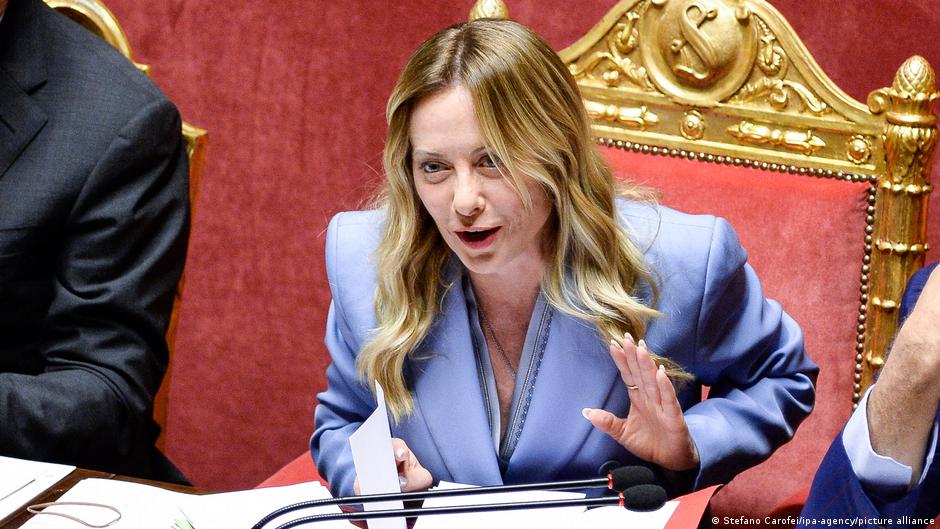
Giorgia Meloni says an agreed EU negotiator is essential to protect Europe’s influence over Ukraine’s security, sanctions and postwar economic settlement.

A Kharkiv language-school co-founder died after detention in Crimea, highlighting the war’s mounting human-capital and institutional costs.

Germany plans an extra €100 million for Ukrainian infrastructure as attacks deepen energy losses and raise the long-term cost of economic recovery.

Zelensky expects Democratic control of Congress to bring stronger US financial and military support for Ukraine and closer coordination with Europe.

Khodorkovsky says Europe should offer Russian elites credible exit paths while avoiding transition policies that could trigger armed conflict and renewed authoritarianism.

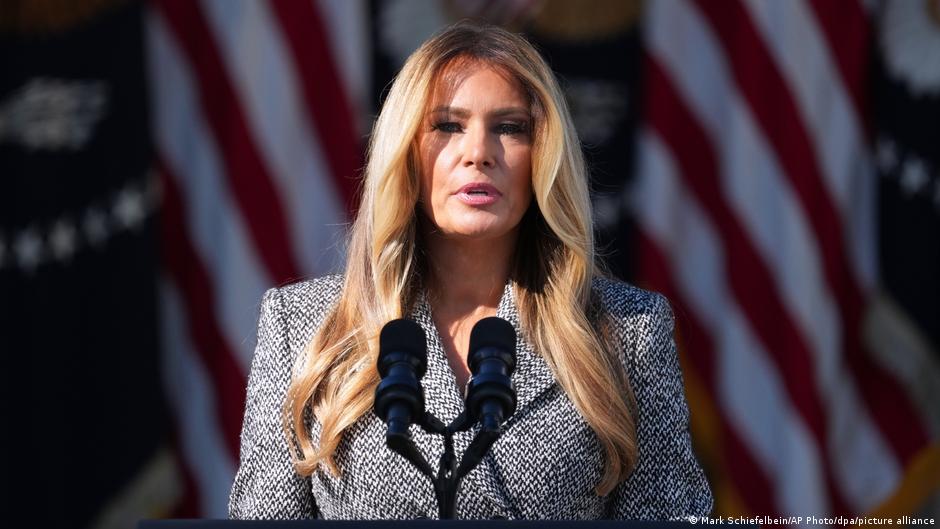
Melania Trump will meet Russian and Ukrainian representatives to review the Oleshky ceasefire and a humanitarian operation that evacuated hundreds of civilians.