US Postpones Planned Military Strike on Iran Amid Diplomatic Pressure from Gulf Leaders
President Trump delays May 19 attack on Iran as Gulf states mediate complex negotiations with potential regional and global economic impacts.
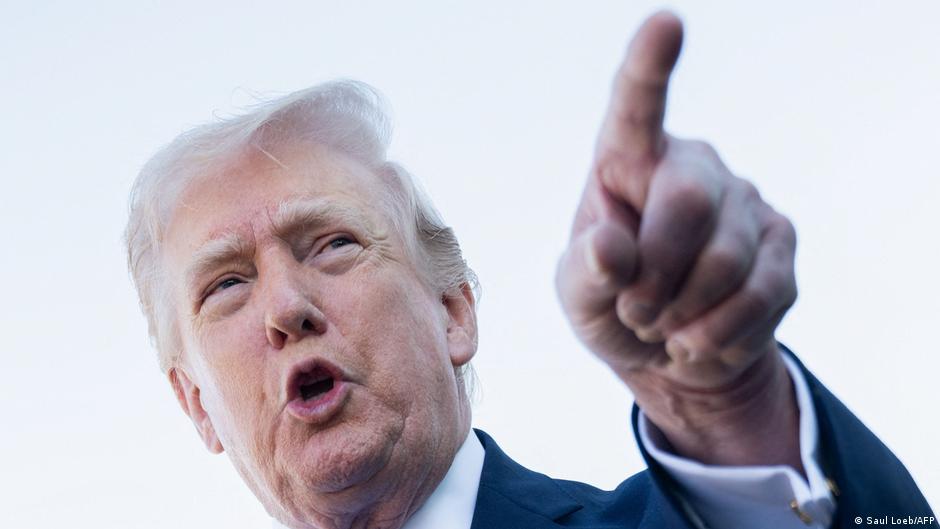
US President Donald Trump announced the postponement of a planned military strike on Iran originally scheduled for May 19. The decision followed direct appeals from key Gulf leaders, including the Emir of Qatar, the Crown Prince of Saudi Arabia, and the President of the United Arab Emirates, who are now facilitating serious negotiations to resolve the escalating tensions.
Regional Diplomacy and Global Economic Stakes
According to President Trump, the deferment came at the urging of Emir Sheikh Tamim bin Hamad Al Thani of Qatar, Crown Prince Mohammed bin Salman Al Saud of Saudi Arabia, and Sheikh Mohammed bin Zayed Al Nahyan of the UAE. These leaders are currently engaged in dialogue aimed at reaching an agreement that would be acceptable to the US and countries across the Middle East and beyond.
"An agreement will include a ban on nuclear weapons for Iran," Trump asserted, signaling a key US priority in the negotiations.
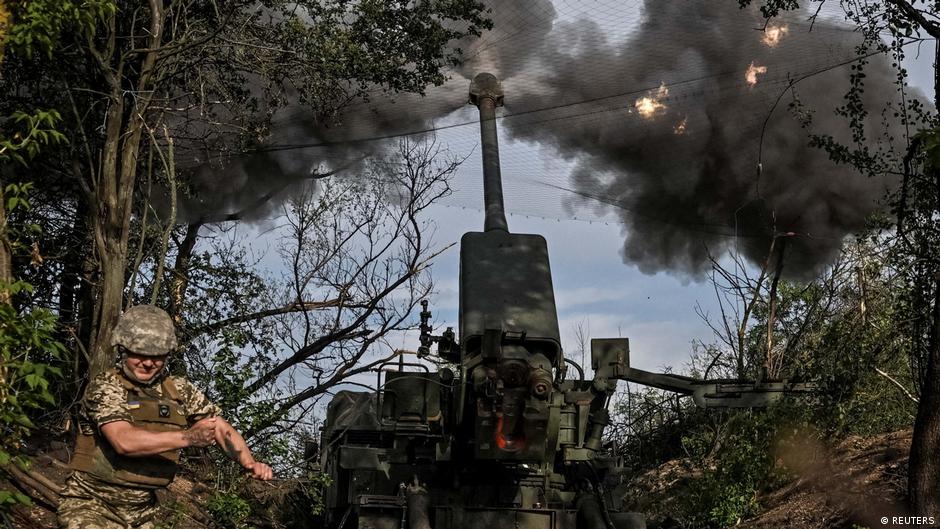
Despite the postponement, the US military remains on high alert. Trump instructed Defense Secretary Pete Hegseth, Chairman of the Joint Chiefs of Staff General Dan Kain, and the US Armed Forces to be prepared to launch a full-scale attack if an acceptable agreement is not reached.
This development, previously unreported publicly, reveals the intensity and immediacy of US military planning concerning Iran, underscoring the high stakes of the diplomatic efforts underway.
On the Iranian side, officials have communicated their positions through Pakistan, confirming ongoing indirect contacts with the US. Iranian state media outlet Fars published five US demands ahead of a second round of peace talks, reflecting the complexity of the negotiations.
The US demands reportedly include refusal to offer compensation for damages from the ongoing conflict, removal of 400 kilograms of enriched uranium from Iran, limitation to a single operational nuclear site within Iran, and no unfreezing of even 25% of Iran's frozen assets. The US also ties war cessation directly to progress in these talks.
Iranian authorities dismiss these demands as attempts to achieve wartime objectives through diplomacy, warning that threats of US and Israeli aggression will persist regardless of compliance. Iranian-sponsored news agency Mehr has reported a deadlock in negotiations, highlighting the fragile state of dialogue.
Iran has its own set of conditions for negotiation, including ending hostilities in Lebanon, lifting sanctions, unfreezing all frozen assets, compensation for war damages, and recognition of Iranian sovereignty over the Strait of Hormuz. These demands were presented before the US counter-demands, framing the current negotiation dynamics.
These developments occur against a backdrop of a tenuous ceasefire brokered in April through Pakistani mediation, which has been repeatedly violated. The US Navy has maintained a blockade of Iranian ports since mid-April, while Iranian drones continue attacks on vessels in the Strait of Hormuz and facilities in Gulf countries.
The ongoing tensions have significant implications for global markets, particularly energy prices, given Iran’s strategic position in global oil supply routes. A full-scale conflict could disrupt critical shipping lanes and exacerbate already volatile commodity markets.
For policymakers and economic stakeholders worldwide, the evolving US-Iran standoff presents a complex challenge that intertwines security considerations with economic stability, underlining the importance of diplomatic engagement to avoid broader geopolitical and economic upheaval.